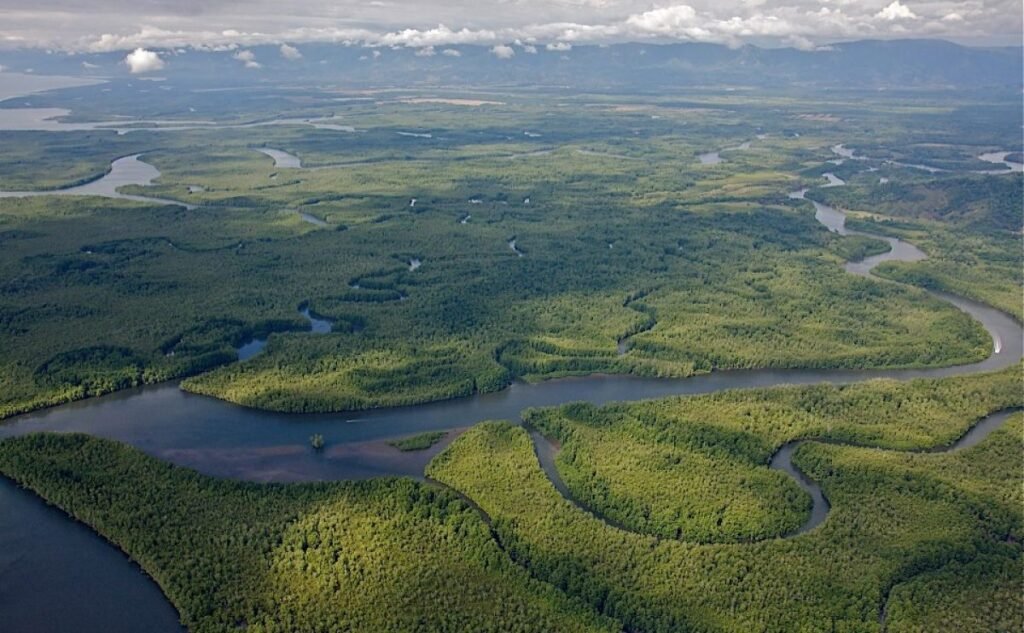
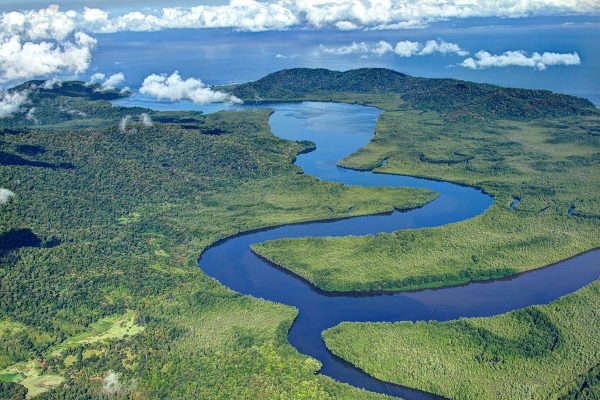
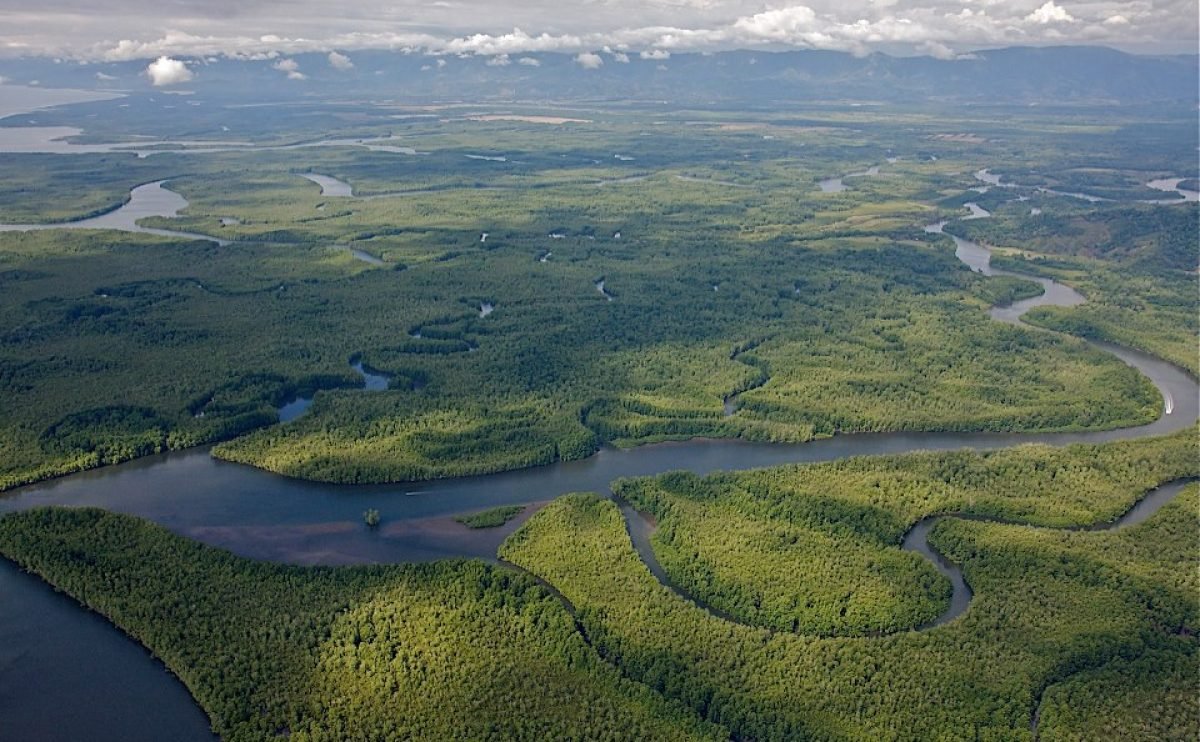
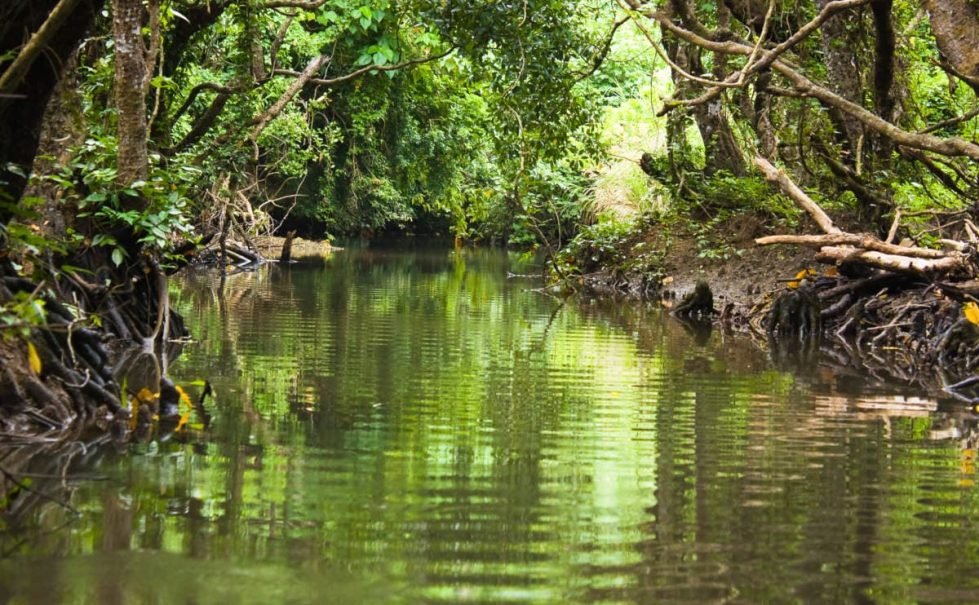
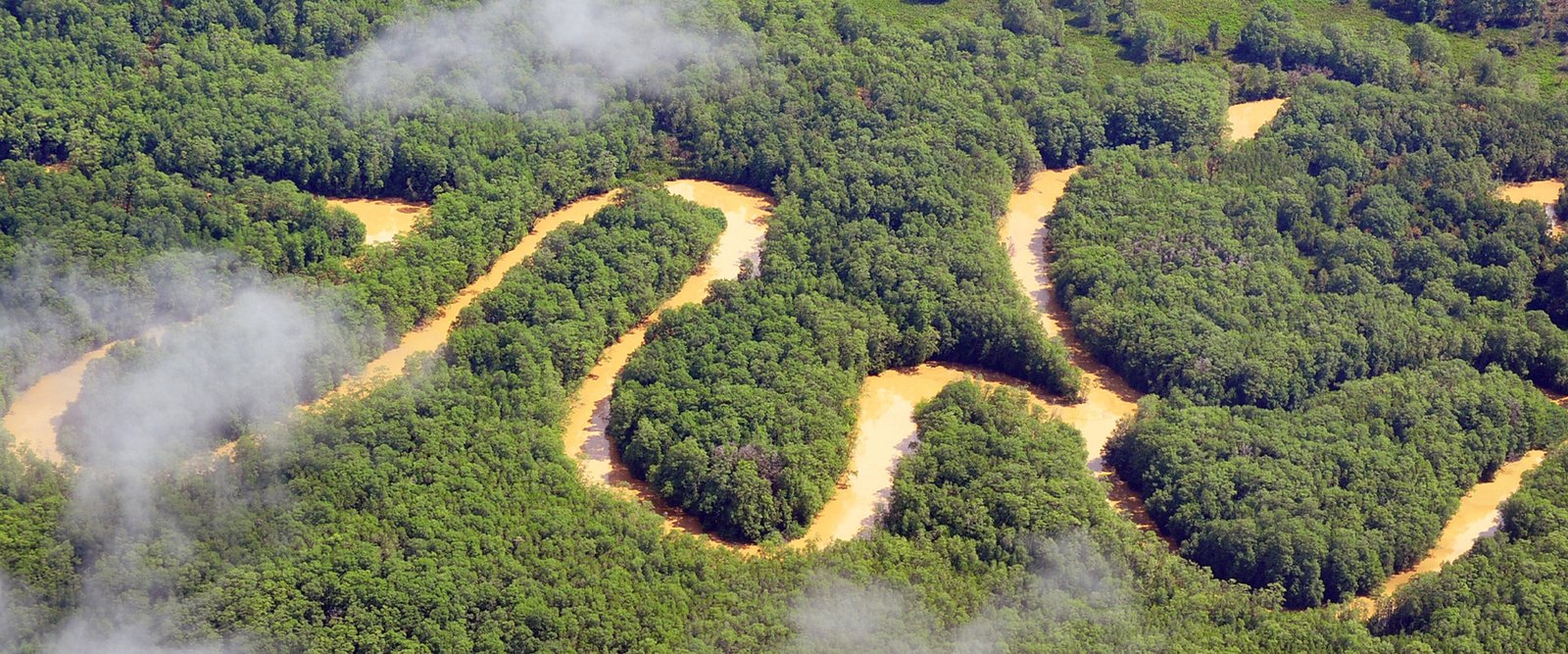
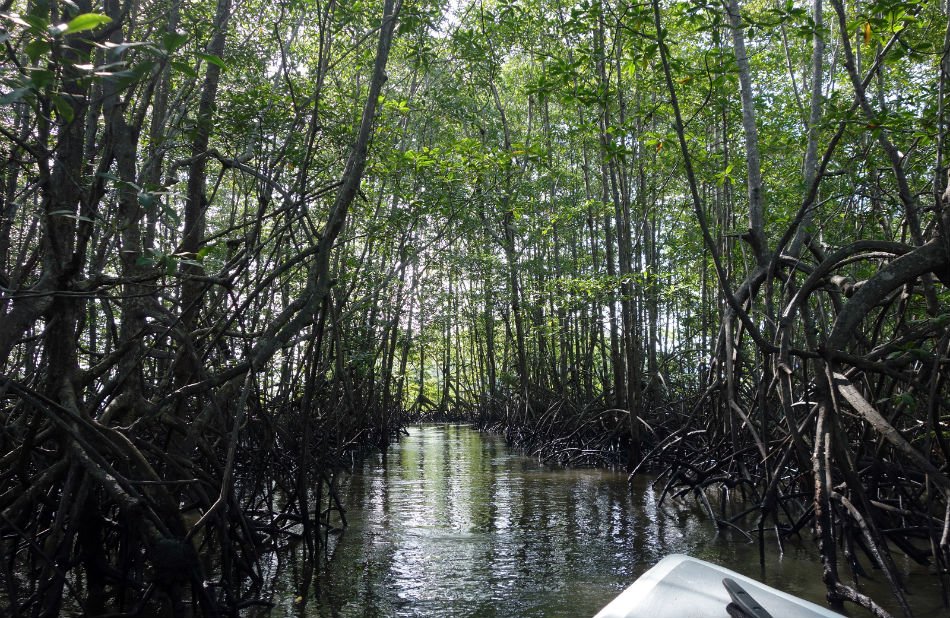
Mangrove forests are coastal ecosystems located at the interface between land and sea, composed of salt-tolerant tree species that thrive in brackish, intertidal zones. In Costa Rica, mangroves provide vital breeding and nursery grounds for fish, crustaceans, and birds. They also stabilize shorelines, reduce erosion, and act as natural barriers against storm surges. These habitats are rich in biodiversity and play a critical role in carbon sequestration and water purification.
Threats for Mangrove Forest
Ecosystem Type
Ecosystem classification is a way of organizing the Earth’s living environments into distinct groups based on shared characteristics like climate, vegetation, soils and topography. By grouping similar habitats—say tropical rainforests, mangroves or dry forests—scientists and land managers can compare ecological processes, conservation needs and resource uses more effectively.
Type: Coastal wetland
Holdridge live zone: Tropical Wet Forest (transitional with estuarine influence)
Avarage Climate: Warm, humid, with strong tidal influence
Precipitations: 2,000–4,000 mm annually; seasonal flooding and tidal flushing
Where in Costa Rica can you find Mangrove Forest?
📍Pacific coast (Gulf of Nicoya, Térraba-Sierpe)
📍Caribbean coast (Tortuguero, Parismina)
📍Estuaries and river deltas along both coasts
Conservartion areas for Mangrove Forest
%nombre_de_la_organzación_o_proyecto%
%nombre_de_la_organzación_o_proyecto%
%nombre_de_la_organzación_o_proyecto%
Threats for Mangrove Forest
⚠️Shrimp farming and aquaculture
⚠️Pollution from agriculture and industry
⚠️Land use change and tourism development
National Parks and reserves with this habitat
Térraba–Sierpe National Wetland
Tempisque Conservation Area
Gandoca–Manzanillo Wildlife Refuge
Estero Puntarenas Wetland
Additonal Data.
Accesibility: High (many mangroves accessible by boat or boardwalks in reserves)
Best Season to visitMangrove Forest
Dry season (January–April) for clearer navigation and bird watching
Comments and notes
Costa Rica’s mangrove forests are considered some of the most extensive and biodiverse in Central America. They are essential buffers against coastal erosion and vital for maintaining healthy marine fisheries. Community-based tourism and research projects support sustainable management.
Remarcable Fauna in Mangrove Forest
No data was found
Remarcable Florga in Mangrove Forest
Remarcable Fungi in Mangrove Forest
Ecosystem Type
Ecosystem classification is a way of organizing the Earth’s living environments into distinct groups based on shared characteristics like climate, vegetation, soils and topography. By grouping similar habitats—say tropical rainforests, mangroves or dry forests—scientists and land managers can compare ecological processes, conservation needs and resource uses more effectively.
Type: Coastal wetland
Holdridge live zone: Tropical Wet Forest (transitional with estuarine influence)