Type of Habitat Inland freshwater lacustrine ecosystem
General Description for Lagoons and Shallow Lakes
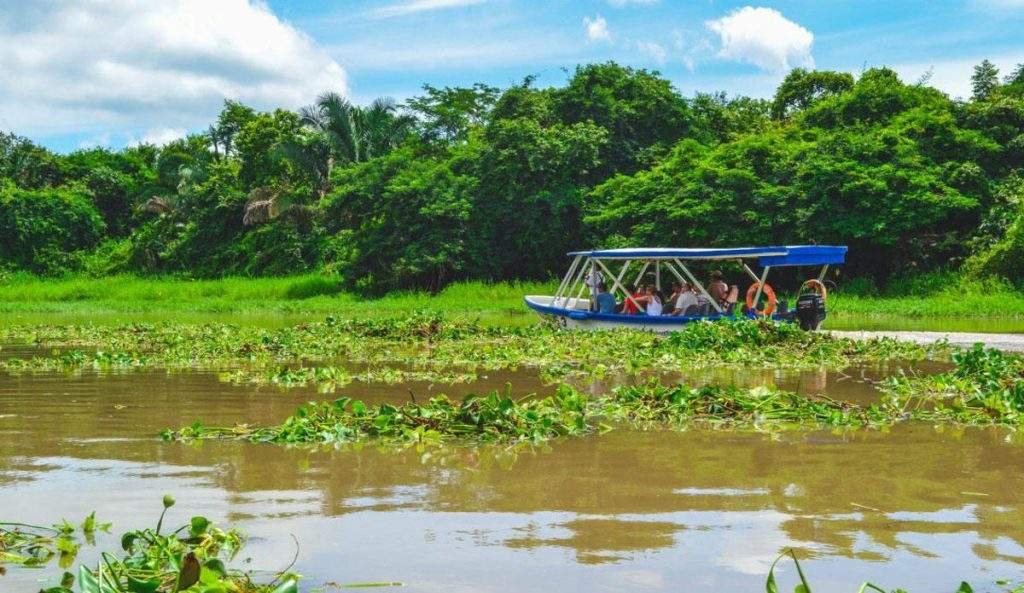
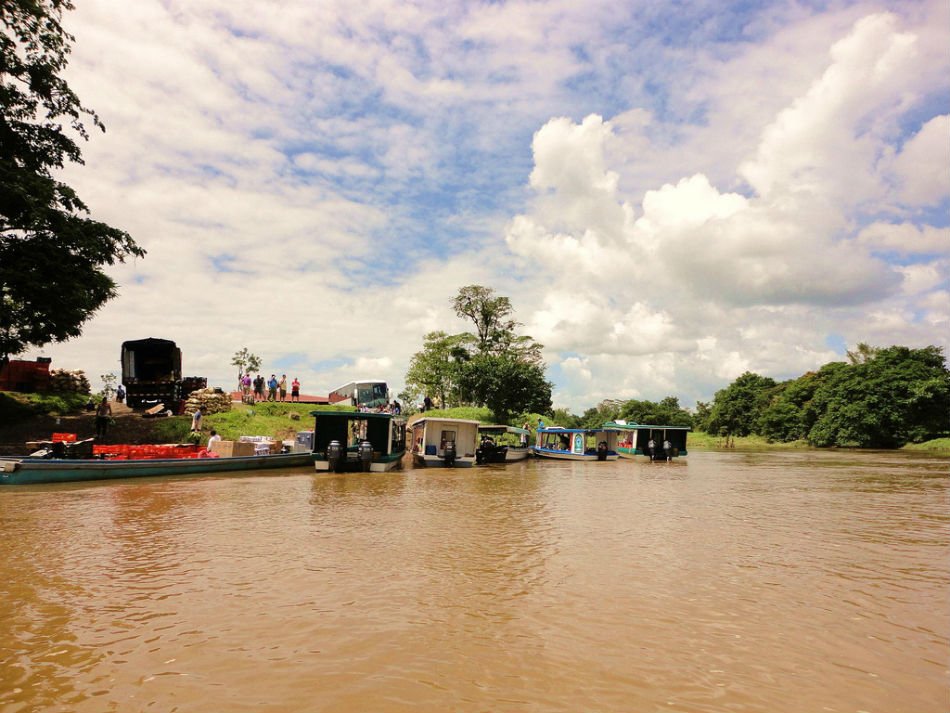
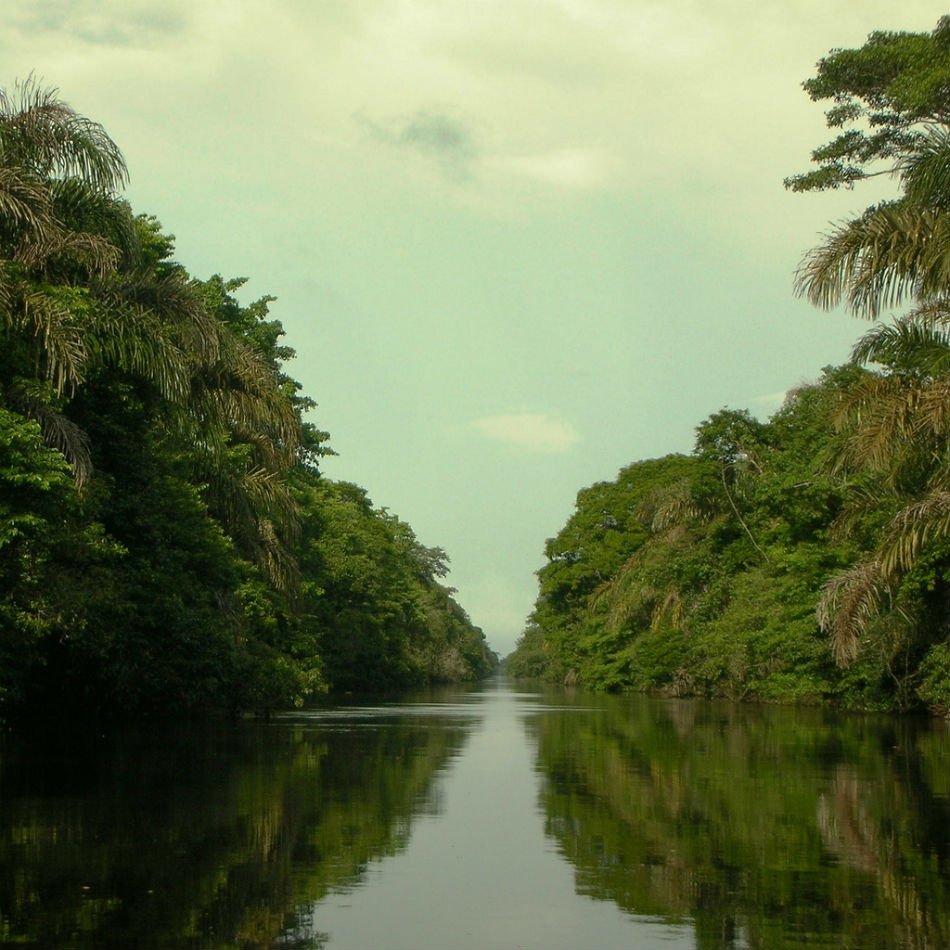
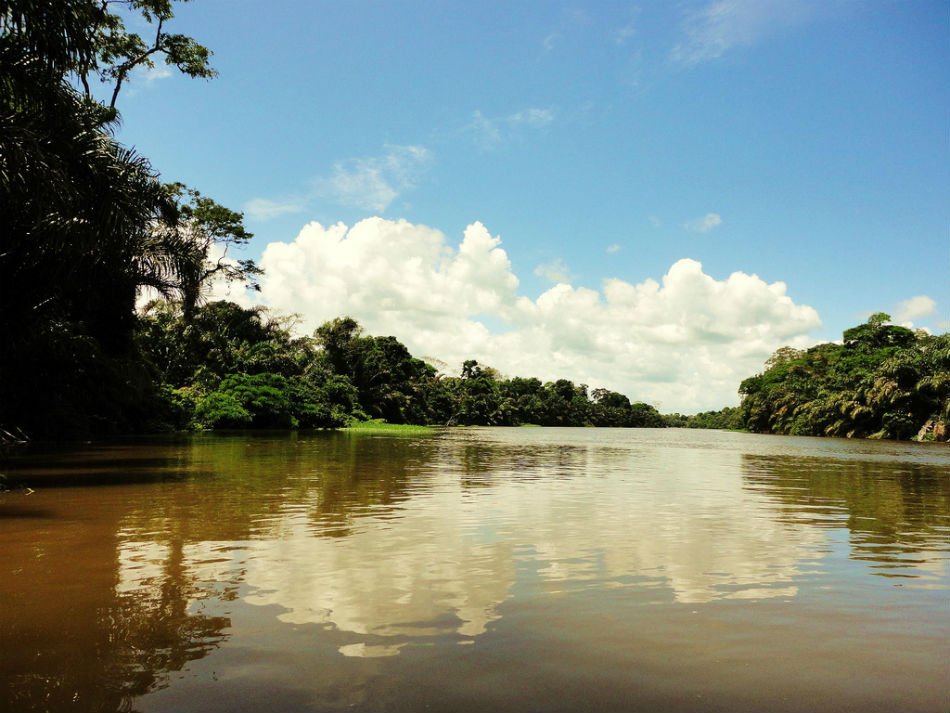
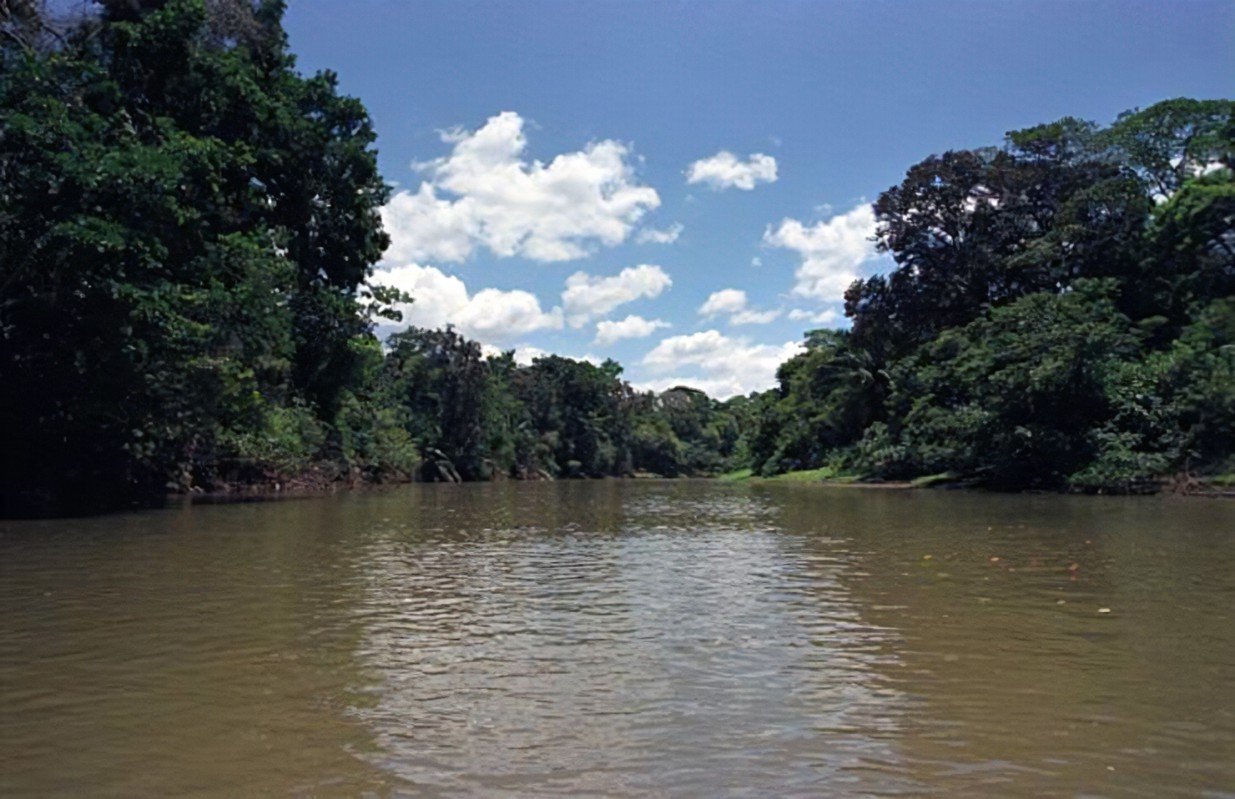
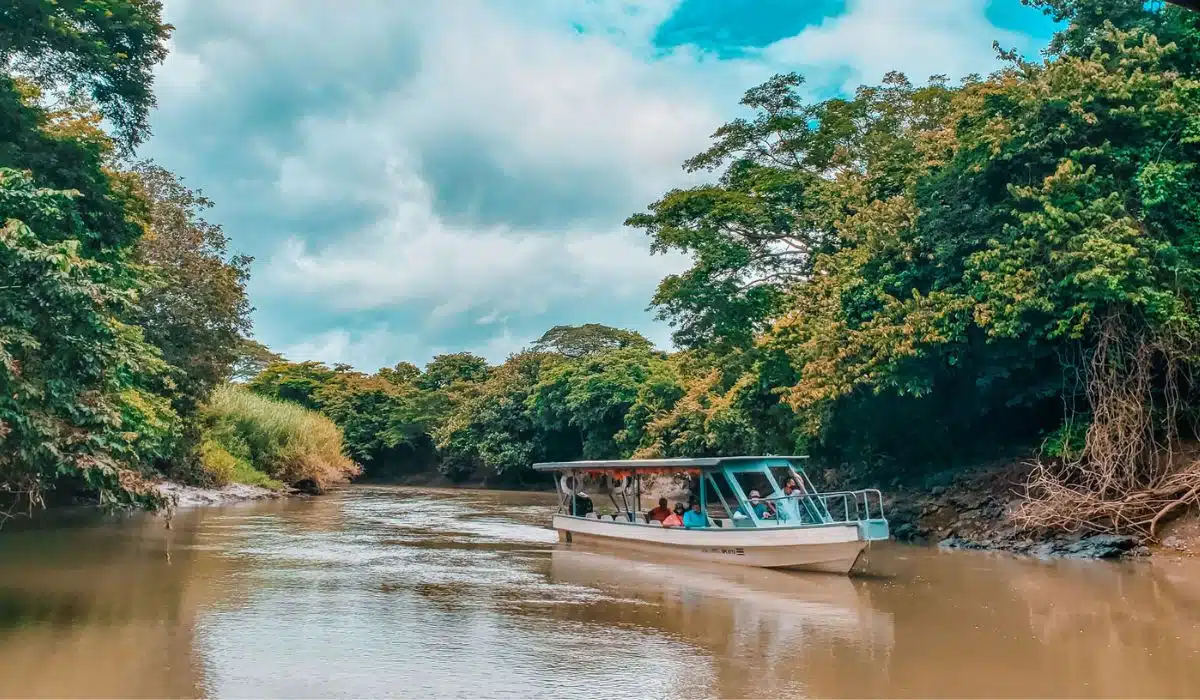
Lagoons and shallow lakes in Costa Rica are permanent or semi-permanent bodies of standing freshwater, typically less than 15 meters deep and rich in aquatic vegetation. These ecosystems are vital refuges for waterbirds, amphibians, fish, and aquatic plants. They serve as feeding and breeding grounds and act as hydrological buffers that store and regulate freshwater flow. Some are natural (e.g., oxbow lakes, volcanic craters), while others are formed by human activity or natural flooding in wetlands.
Threats for Lagoons and Shallow Lakes
Ecosystem Type
Ecosystem classification is a way of organizing the Earth’s living environments into distinct groups based on shared characteristics like climate, vegetation, soils and topography. By grouping similar habitats—say tropical rainforests, mangroves or dry forests—scientists and land managers can compare ecological processes, conservation needs and resource uses more effectively.
Type: Inland freshwater lacustrine ecosystem
Holdridge live zone: Found in Tropical Wet Forest, Moist Forest, and Swamp Forest zones
Avarage Altitude: 0–1,500 meters above sea level
Avarage Climate: Humid tropical, with still or slow-moving freshwater and seasonal water level variation
Precipitations: 2,000–5,000 mm annually; water levels fluctuate with seasonal rains and evaporation rates
Where in Costa Rica can you find Lagoons and Shallow Lakes?
📍Northern Zone (Caño Negro, Medio Queso, Los Chiles)
📍Caribbean Lowlands (Barra del Colorado, Parismina)
📍Pacific lowlands and deltas (Laguna Mata Redonda, Térraba-Sierpe system)
📍Volcanic craters (e.g., Lake Hule, Lake Botos – small but notable)
Conservartion areas for Lagoons and Shallow Lakes
%nombre_de_la_organzación_o_proyecto%
%nombre_de_la_organzación_o_proyecto%
%nombre_de_la_organzación_o_proyecto%
%nombre_de_la_organzación_o_proyecto%
Threats for Lagoons and Shallow Lakes
⚠️Eutrophication from agricultural runoff
⚠️Drainage for livestock and rice fields
⚠️Invasive aquatic plants
⚠️Water diversion and altered hydrology
National Parks and reserves with this habitat
Caño Negro Wildlife Refuge (Ramsar Site)
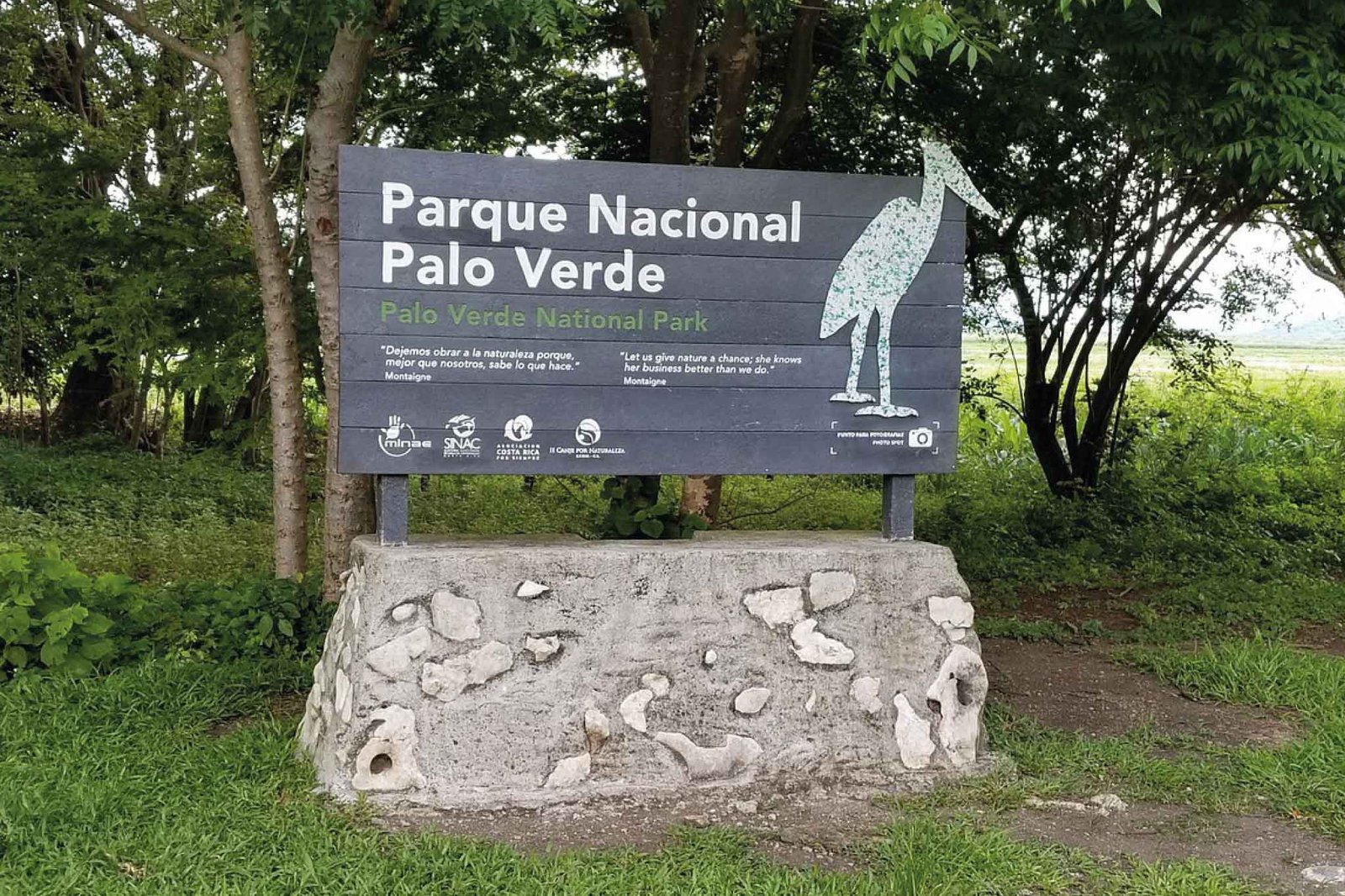
Palo Verde National Park
Barra del Colorado Wildlife Refuge
Laguna Mata Redonda Wildlife Refuge
Additonal Data.
Best Season to visitLagoons and Shallow Lakes
Comments and notes
Remarcable Fauna in Lagoons and Shallow Lakes
No data was found
Remarcable Florga in Lagoons and Shallow Lakes
Remarcable Fungi in Lagoons and Shallow Lakes
Ecosystem Type
Ecosystem classification is a way of organizing the Earth’s living environments into distinct groups based on shared characteristics like climate, vegetation, soils and topography. By grouping similar habitats—say tropical rainforests, mangroves or dry forests—scientists and land managers can compare ecological processes, conservation needs and resource uses more effectively.
Type: Inland freshwater lacustrine ecosystem
Holdridge live zone: Found in Tropical Wet Forest, Moist Forest, and Swamp Forest zones
Avarage Altitude: 0–1,500 meters above sea level
Avarage Climate: Humid tropical, with still or slow-moving freshwater and seasonal water level variation