Type of Habitat Montane broadleaf evergreen forest
General Description for Highland Oak Forest
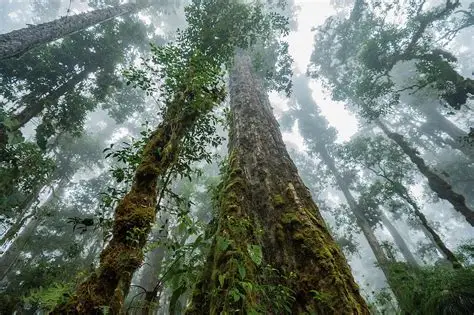
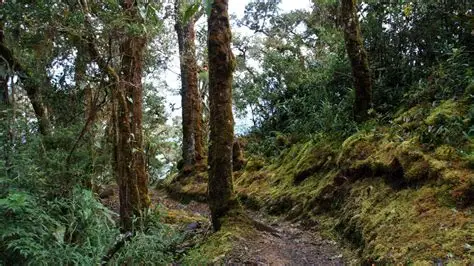
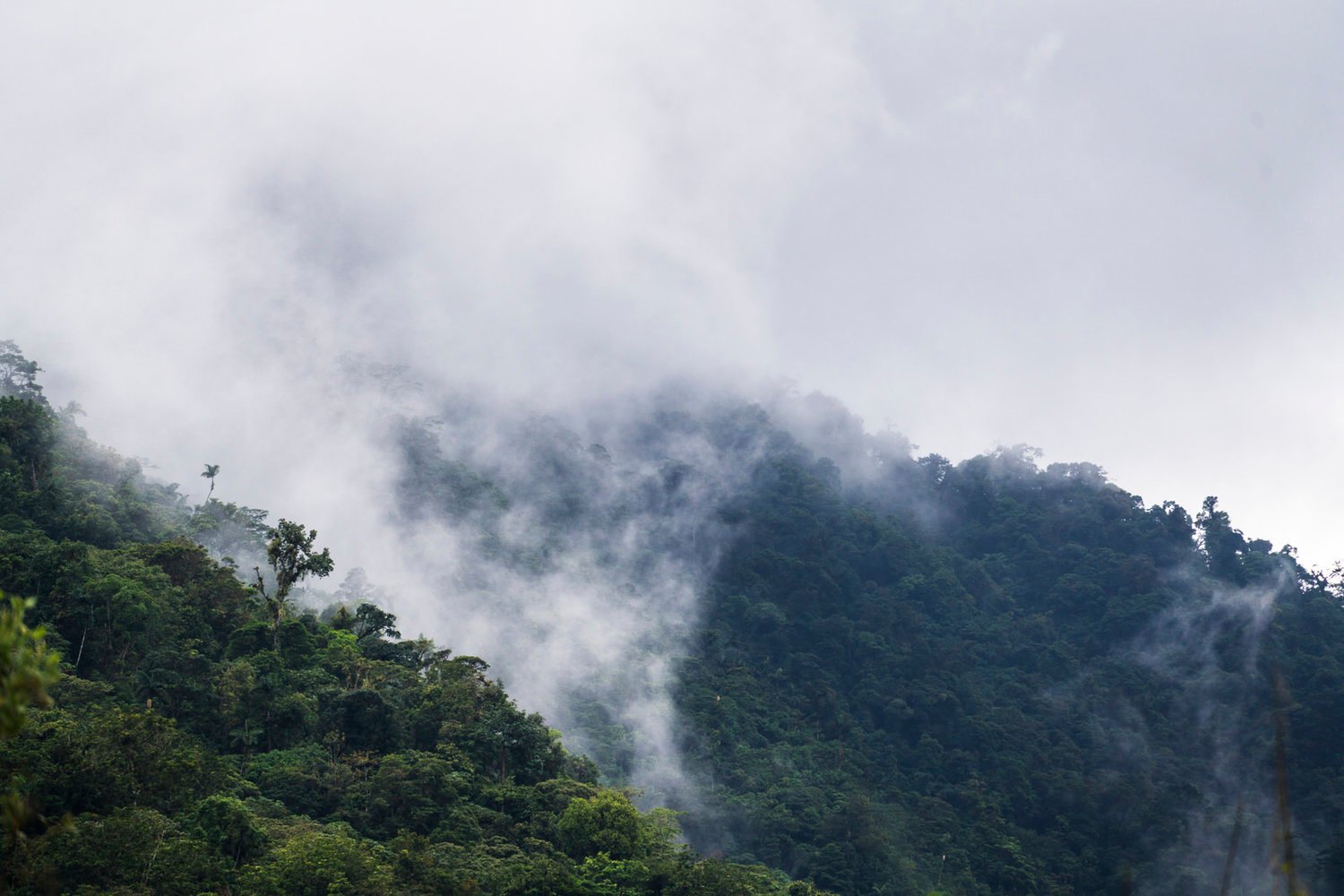
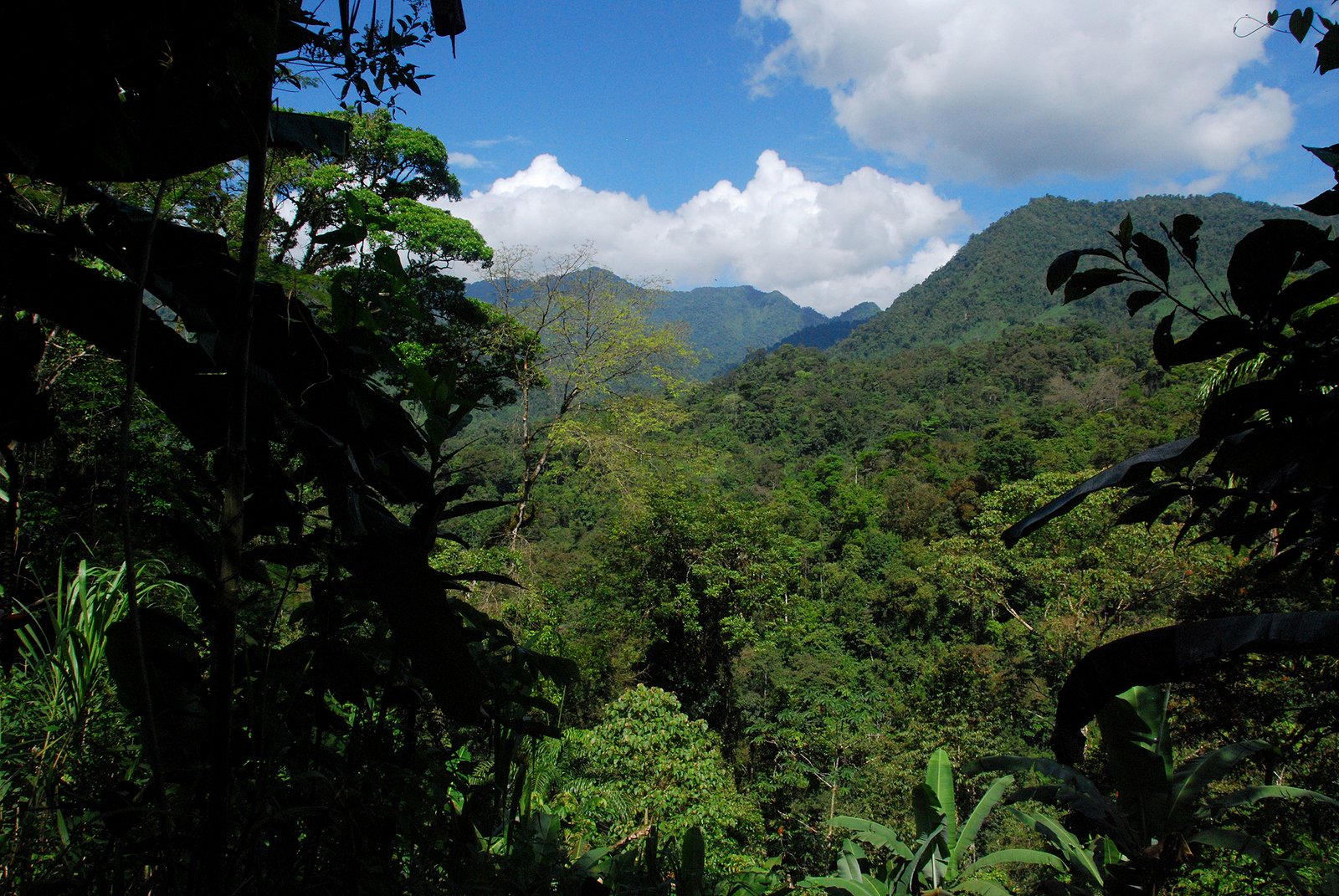
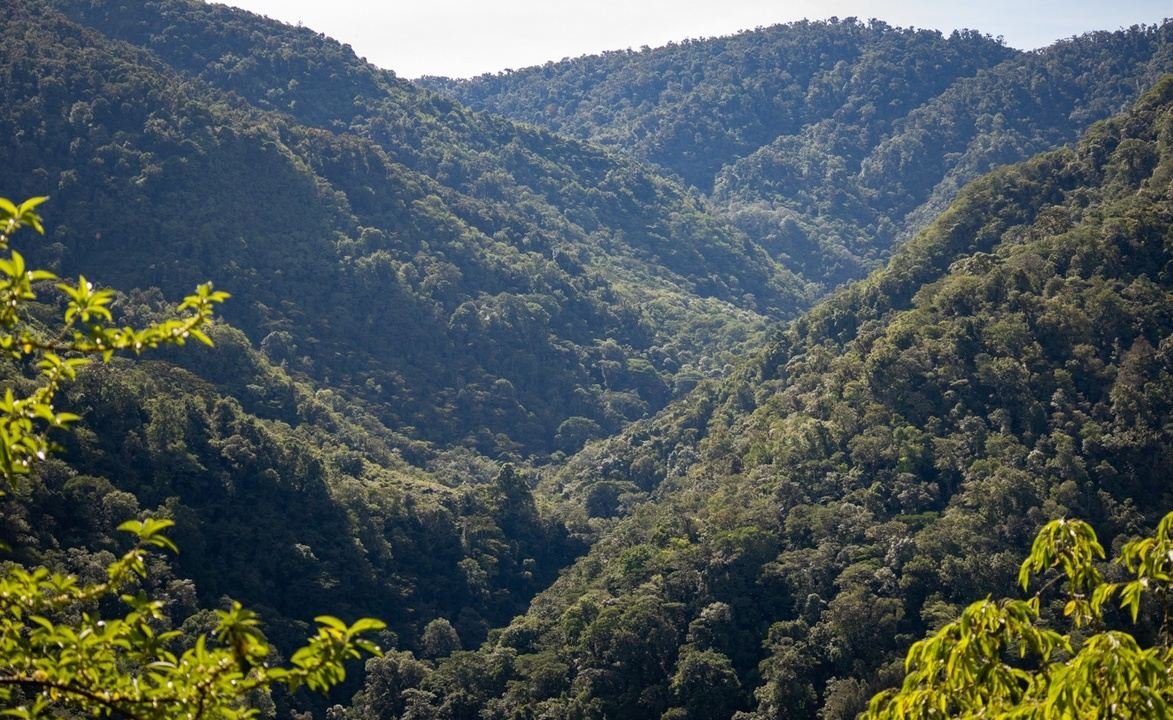
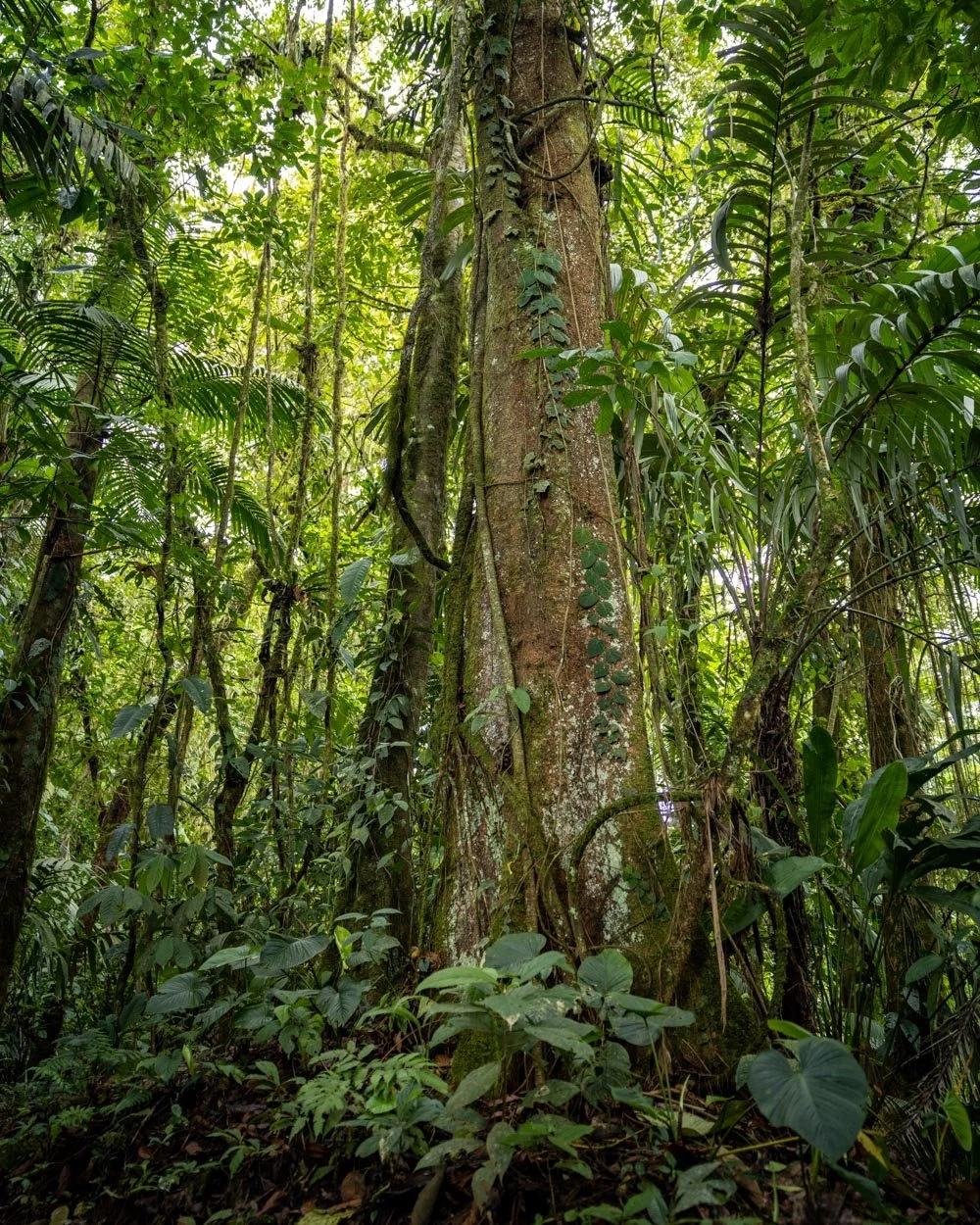
Highland oak forests are cool, moist montane forests dominated by evergreen oak species. Found in the higher elevations of Costa Rica’s central and southern mountain ranges, these forests are notable for their towering trees, dense understory, and high levels of endemism. They are often shrouded in fog, with epiphytes and mosses covering trunks and branches. These forests provide crucial habitat for highland mammals, birds, and amphibians, and serve as a buffer zone between cloud forests and páramo ecosystems.
Threats for Highland Oak Forest
Ecosystem Type
Ecosystem classification is a way of organizing the Earth’s living environments into distinct groups based on shared characteristics like climate, vegetation, soils and topography. By grouping similar habitats—say tropical rainforests, mangroves or dry forests—scientists and land managers can compare ecological processes, conservation needs and resource uses more effectively.
Type: Montane broadleaf evergreen forest
Holdridge live zone: Montane Rain Forest / Montane Wet Forest
Avarage Climate: Cool, humid, and misty with significant daily temperature variation
Precipitations: 2,500–4,500 mm annually; with frequent fog and cloud cover contributing to humidity
Where in Costa Rica can you find Highland Oak Forest?
📍Cordillera de Talamanca
📍Cordillera Central (e.g., Volcán Irazú, Barva, Turrialba)
📍Cerro de la Muerte
📍La Amistad International Park
Conservartion areas for Highland Oak Forest
%nombre_de_la_organzación_o_proyecto%
%nombre_de_la_organzación_o_proyecto%
%nombre_de_la_organzación_o_proyecto%
%nombre_de_la_organzación_o_proyecto%
Threats for Highland Oak Forest
⚠️Climate change (shifting tree line, increased fires)
⚠️Logging (historical and in buffer zones)
⚠️Expansion of agriculture and tourism infrastructure
National Parks and reserves with this habitat
Protected Areas:
Los Quetzales National Park
La Amistad International Park
Tapantí–Macizo de la Muerte National Park
Chirripó National Park (transitional zones)
Additonal Data.
Accesibility: Moderate to difficult (accessible via national parks and highland trails)
Best Season to visitHighland Oak Forest
Dry season (December–March) for better trail access, but year-round mist contributes to the ecosystem’s charm
Comments and notes
Costa Rica’s highland oak forests form part of the Mesoamerican biodiversity hotspot and serve as essential corridors for altitudinal migrations of birds and mammals. They are also vital carbon sinks and regulators of water flow to lower elevations.
Remarcable Fauna in Highland Oak Forest
No data was found
Remarcable Florga in Highland Oak Forest
Remarcable Fungi in Highland Oak Forest
Ecosystem Type
Ecosystem classification is a way of organizing the Earth’s living environments into distinct groups based on shared characteristics like climate, vegetation, soils and topography. By grouping similar habitats—say tropical rainforests, mangroves or dry forests—scientists and land managers can compare ecological processes, conservation needs and resource uses more effectively.
Type: Montane broadleaf evergreen forest
Holdridge live zone: Montane Rain Forest / Montane Wet Forest