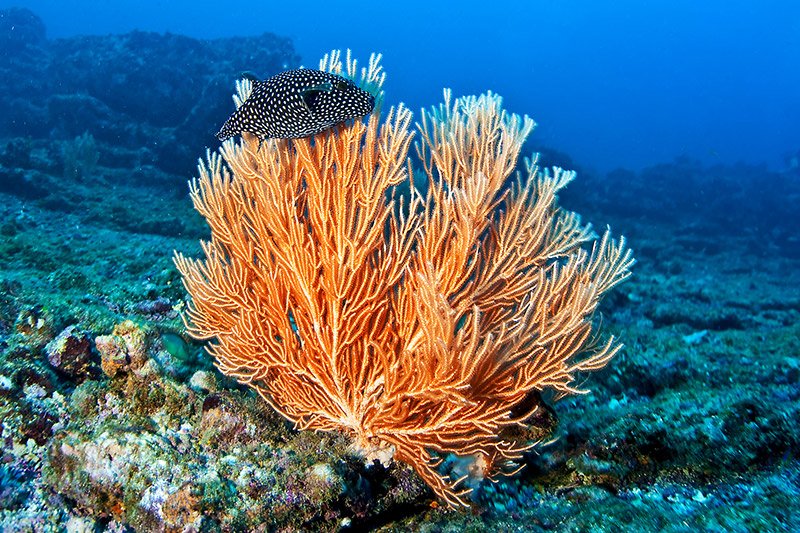
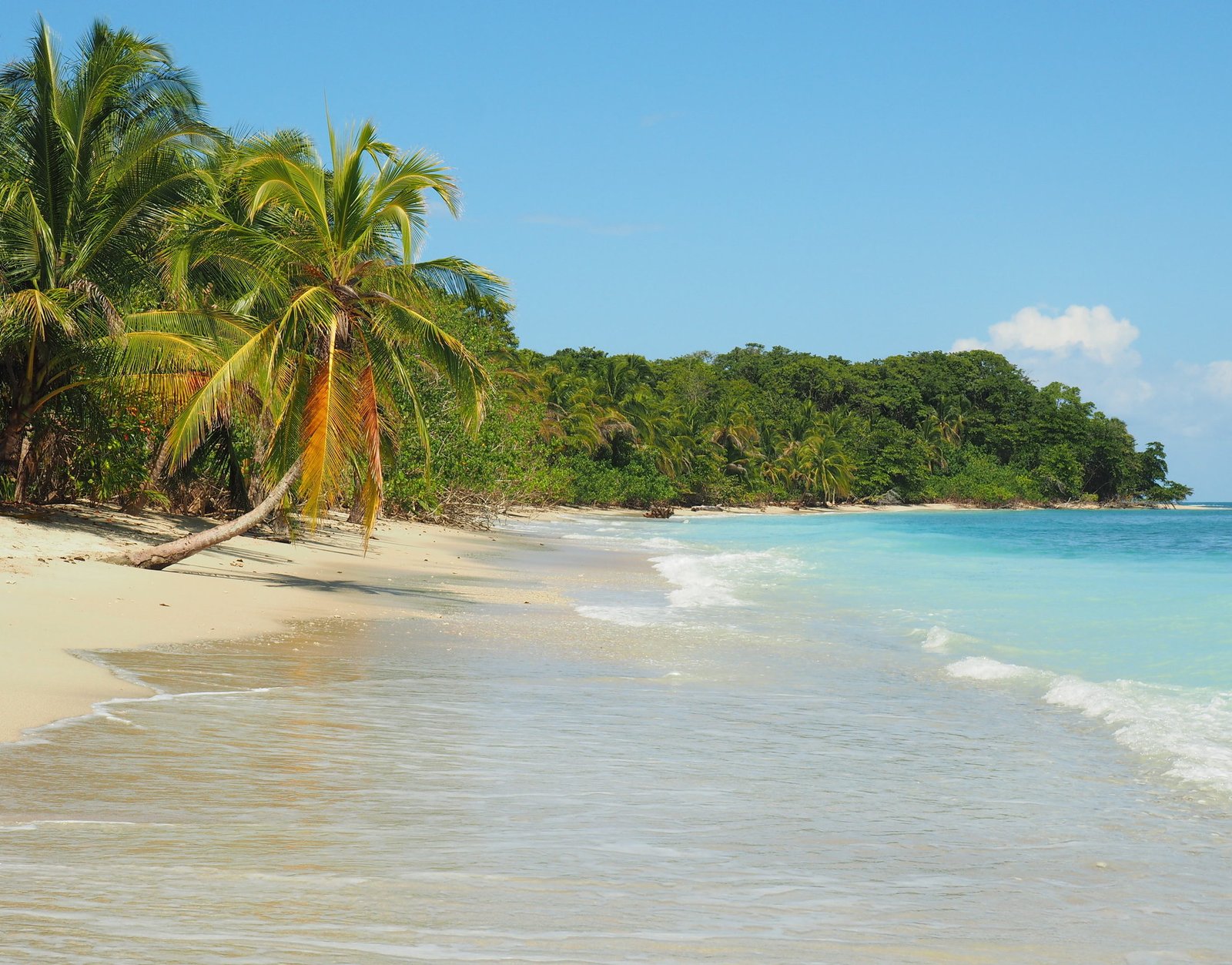
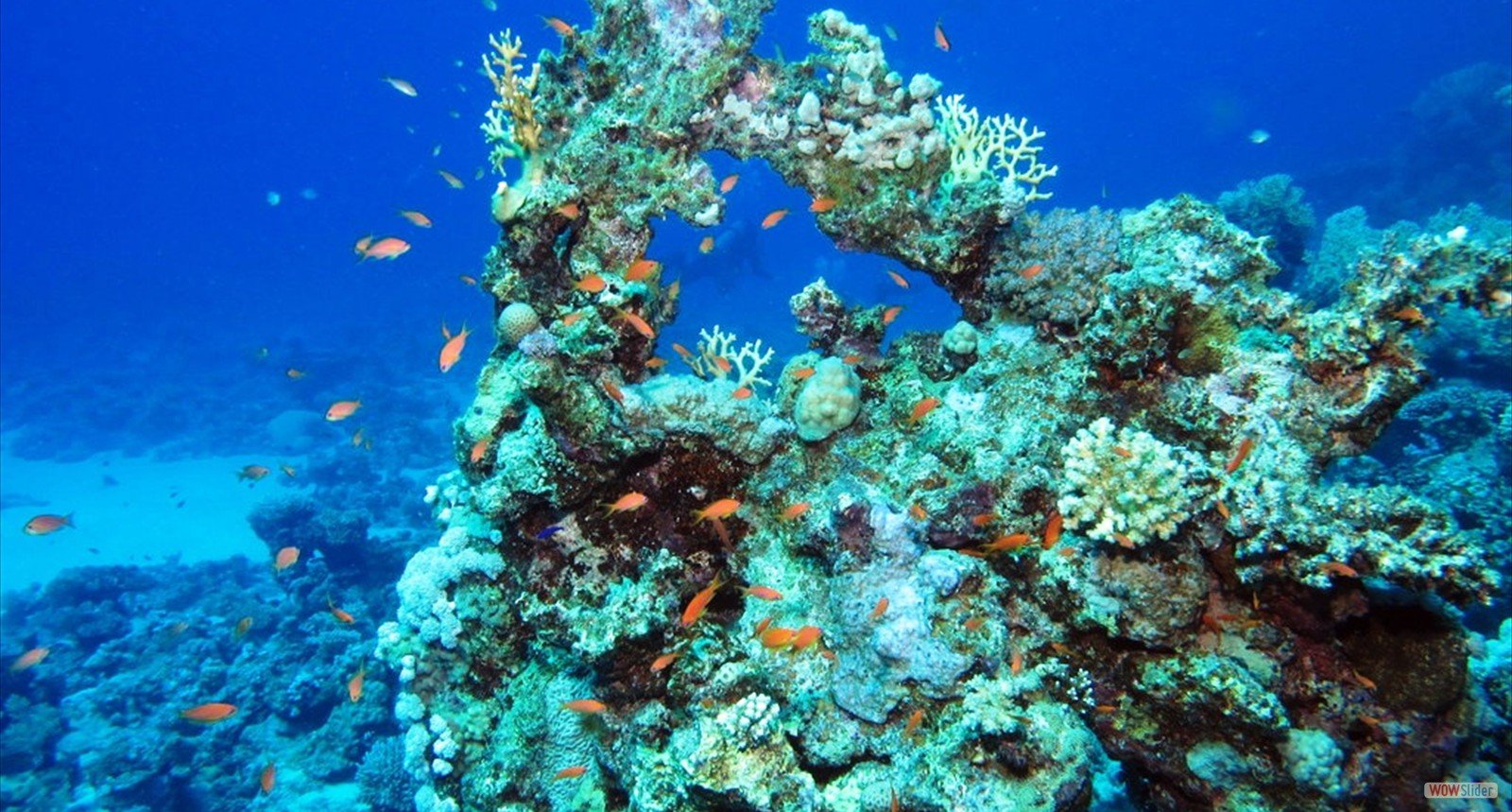
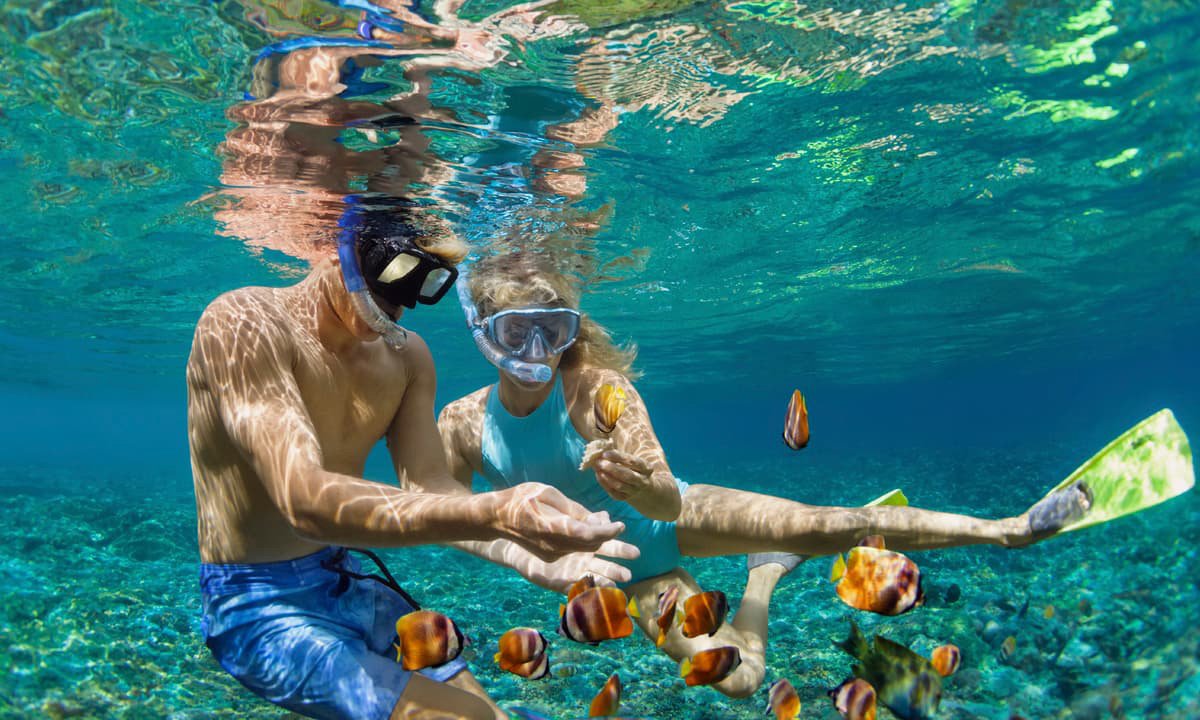
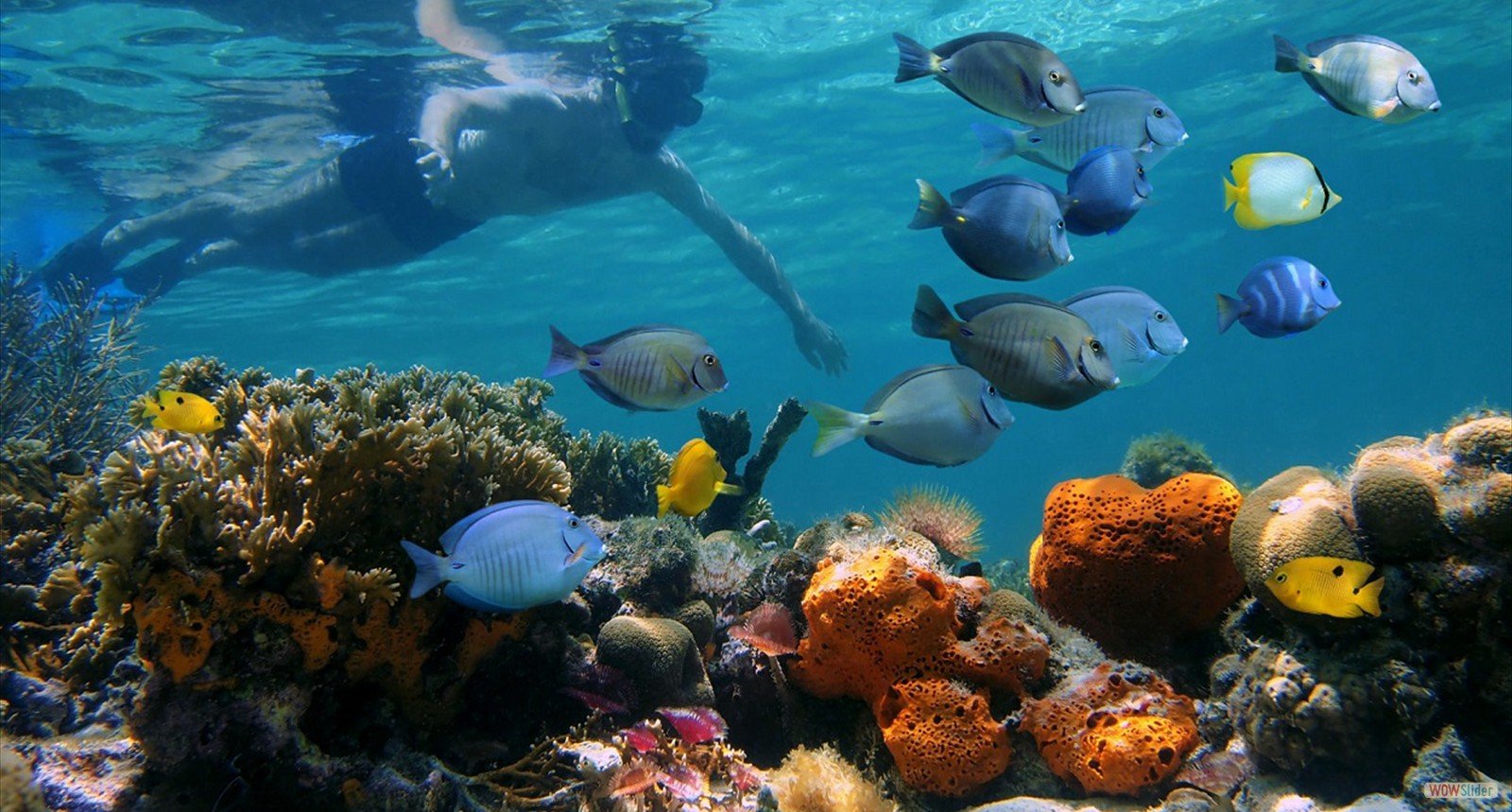
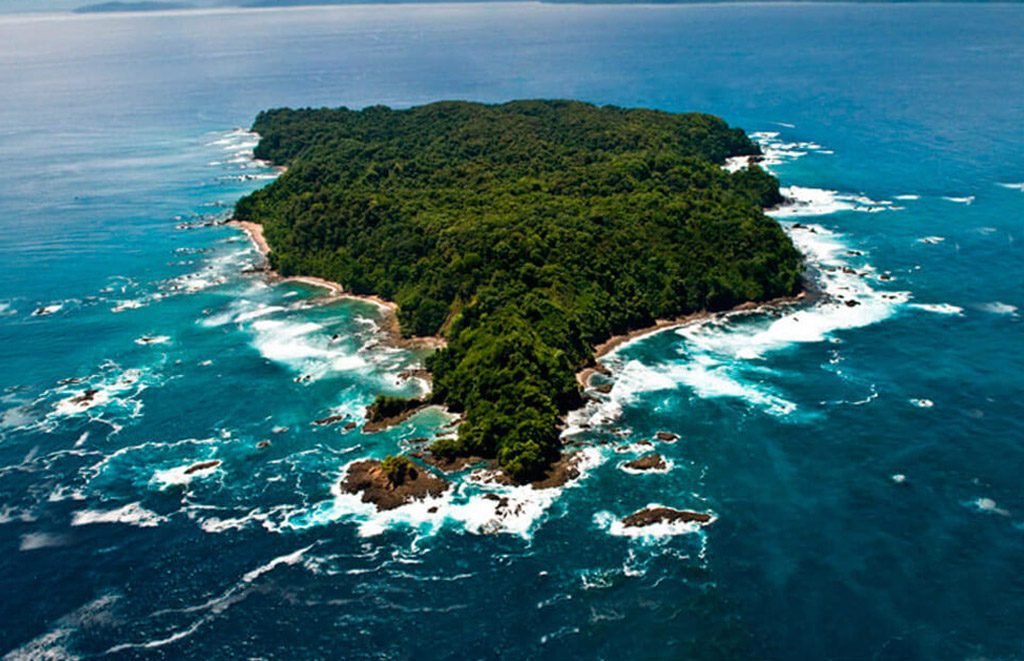
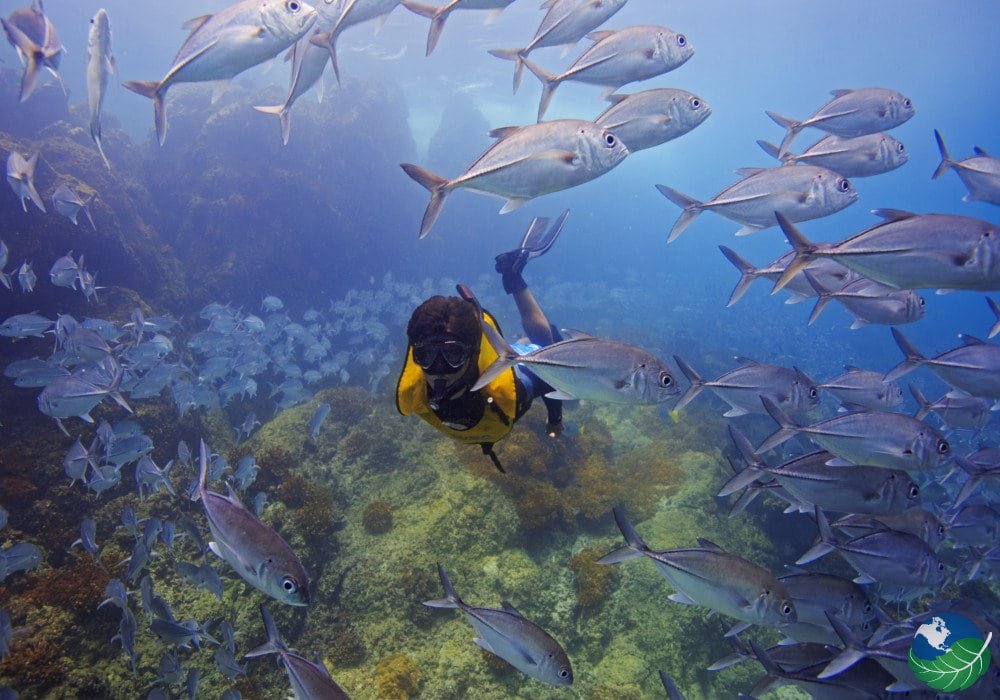
Coral reefs in Costa Rica are vibrant underwater ecosystems formed by colonies of reef-building corals. Found primarily along the Pacific and Caribbean coasts, these reefs support an extraordinary diversity of marine life. They serve as crucial nurseries for fish, stabilize coastal zones, and provide essential ecosystem services such as tourism, fishing, and shoreline protection. Although limited in extent compared to other tropical regions, Costa Rica’s coral reefs are considered biologically important and ecologically fragile.
Threats for Coral Reef
Ecosystem Type
Ecosystem classification is a way of organizing the Earth’s living environments into distinct groups based on shared characteristics like climate, vegetation, soils and topography. By grouping similar habitats—say tropical rainforests, mangroves or dry forests—scientists and land managers can compare ecological processes, conservation needs and resource uses more effectively.
Type: Marine ecosystem
Holdridge live zone: Marine Tropical (not in traditional Holdridge zones, but influenced by adjacent coastal life zones)
Avarage Altitude: Sea level (0–30 meters depth)
Avarage Climate: Warm tropical marine with stable temperatures (24–29°C)
Precipitations: Indirectly affected by coastal rainfall (2,000–4,500 mm), freshwater runoff influences coral health
Where in Costa Rica can you find Coral Reef?
📍Pacific coast: Caño Island, Golfo Dulce, Bahía Culebra
📍Caribbean coast: Cahuita National Park, Gandoca
📍Offshore marine areas and fringing reefs
Conservartion areas for Coral Reef
%nombre_de_la_organzación_o_proyecto%
%nombre_de_la_organzación_o_proyecto%
%nombre_de_la_organzación_o_proyecto%
%nombre_de_la_organzación_o_proyecto%
Threats for Coral Reef
⚠️Coral bleaching due to warming oceans
⚠️Sedimentation and agricultural runoff
⚠️Overfishing and unregulated tourism
⚠️Ocean acidification
National Parks and reserves with this habitat
Cahuita National Park (Caribbean)
Caño Island Biological Reserve
Gandoca-Manzanillo Wildlife Refuge
Golfo Dulce Marine Area
Additonal Data.
Accesibility: Moderate to high (accessible by guided diving/snorkeling tours or boat trips)
Best Season to visitCoral Reef
Dry season (December–April) for best underwater visibility
Comments and notes
Costa Rica’s coral reefs, though not expansive, are ecologically vital and highly sensitive to environmental changes. Community-led reef monitoring and coral restoration initiatives are growing across the country.
Ecosystem classification is a way of organizing the Earth’s living environments into distinct groups based on shared characteristics like climate, vegetation, soils and topography. By grouping similar habitats—say tropical rainforests, mangroves or dry forests—scientists and land managers can compare ecological processes, conservation needs and resource uses more effectively.
Type: Marine ecosystem
Holdridge live zone: Marine Tropical (not in traditional Holdridge zones, but influenced by adjacent coastal life zones)
Avarage Altitude: Sea level (0–30 meters depth)
Avarage Climate: Warm tropical marine with stable temperatures (24–29°C)