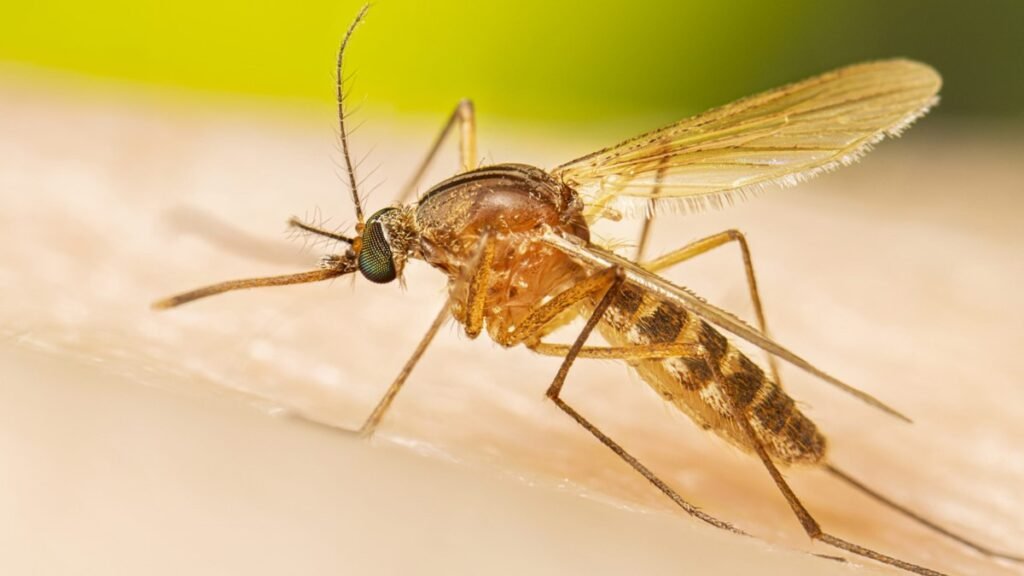
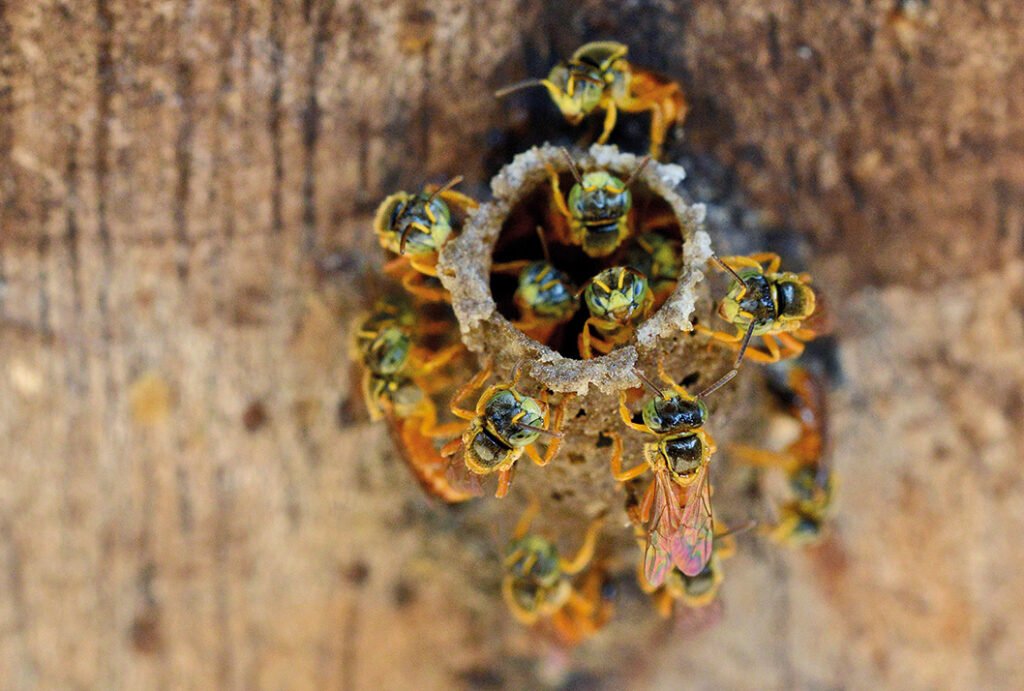
Few natural events ripple through our planet’s ecosystems as powerfully as El Niño. Born from shifts in the Pacific Ocean’s surface temperatures, this cyclical climate phenomenon disrupts rainfall, fuels extreme heat, and reshapes weather patterns across continents. While headlines often focus on its immediate human impacts—crop failures, water shortages, and economic losses—there’s another story unfolding quietly beneath the canopy: the fate of the forest’s smallest yet most indispensable inhabitants.
In Costa Rica and across the tropics, insects are the hidden gears that keep forests alive. They pollinate flowers, recycle nutrients, and form the foundation of complex food webs. When El Niño strikes with unusual intensity, the changes in temperature and rainfall don’t just stress trees—they reverberate through the delicate timing of plant blooms, insect life cycles, and predator–prey relationships. Scientists warn that these disturbances, compounded by climate change, can lead to sudden, dramatic drops in insect populations, threatening the very fabric of tropical biodiversity.
“Without insects, there is no forest,” reminds the Food and Agriculture Organization, noting that over 75% of the world’s food crops depend on animal pollination (FAO, 2019).
This post will explore how El Niño impacts insect communities in tropical forests, why it matters for places like Costa Rica, and what can be done to safeguard these keystone species in a rapidly changing climate.



El Niño and Tropical Forests: The Perfect Storm
El Niño is more than a quirk of ocean currents — it is a powerful climate engine that can tilt the balance of entire ecosystems. At its core, the phenomenon is driven by unusually warm surface waters in the central and eastern Pacific Ocean, weakening the trade winds that normally circulate heat and moisture around the globe. These changes send shockwaves through weather systems, particularly in the tropics.
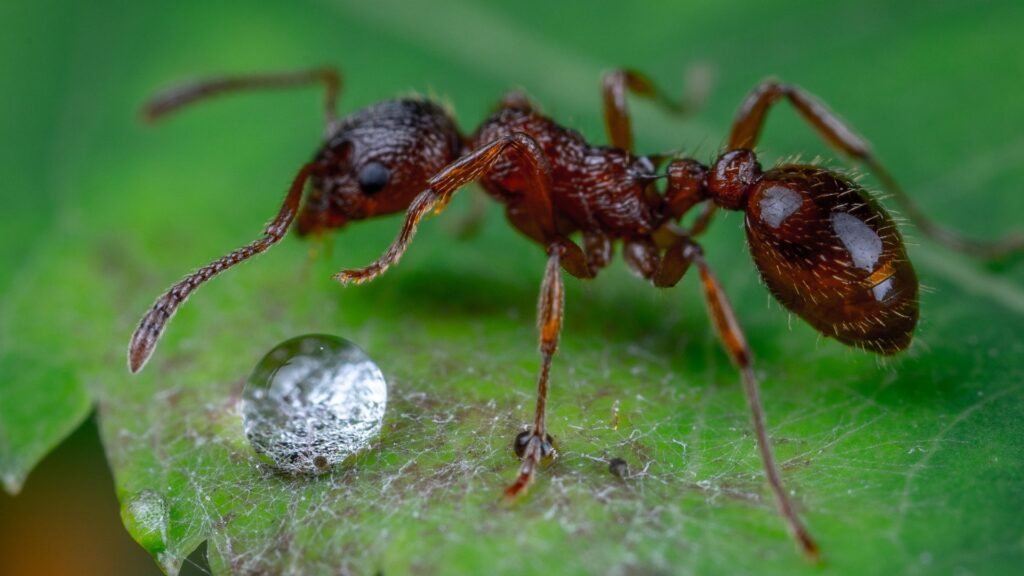
In Central America, El Niño often brings prolonged drought, intense heatwaves, and altered rainfall patterns. For tropical forests, this can mean months without sufficient moisture, making trees more vulnerable to pests, disease, and fire. The canopy’s microclimate — usually stable and humid — can quickly shift to conditions lethal for species finely adapted to consistency.
Such shifts disrupt not only plant growth but also ecological timing: flowering and fruiting seasons may advance or stall, water sources can dry up, and leaf litter composition changes — cascading effects that affect every organism, from soil microbes to jaguars. Insects, already sensitive to temperature and humidity, often suffer heavy losses during these stress periods, creating ripple effects throughout the web of life.


According to theNOAA Climate Prediction Center, strong El Niño events like those of 1997–1998 and 2015–2016 have been linked to some of the most extreme heat and drought episodes in recorded history for tropical regions. TheIPCC’s Sixth Assessment Reportwarns that climate change is likely to make such events more frequent and more intense.
For Costa Rica — a bridge of biodiversity between two continents — this “perfect storm” is a direct threat to forest resilience, agricultural stability, and the eco-tourism economy. When the building blocks of these systems begin to falter, the consequences can extend well beyond the dry season.
The domino effect on insects
El Niño doesn’t just dry streams and parch trees — it pushes insects toward their physiological edge. Many tropical insects already operate near their optimal temperature and humidity ranges, so heat spikes and droughts can flip conditions from “barely safe” to lethal within days. When that happens, the consequences cascade through pollination, decomposition, and food webs that forests depend on.
- Heat and desiccation: Elevated temperatures and low humidity increase mortality, reduce foraging time, and shrink activity windows, especially for shade-adapted species with narrow thermal safety margins (tropical ectotherms are particularly vulnerable). Key evidence: Deutsch et al., PNAS (2008) on tropical ectotherms’ limited thermal buffers.
- Phenological mismatch: Shifts in rainfall and temperature can de-sync flowering/fruiting from insect life cycles, cutting pollination services even when both partners persist. Key evidence: Memmott et al., PLoS Biology (2007) on warming-driven disruption of plant–pollinator timing.
- Resource bottlenecks: Drought alters leaf litter moisture and composition, collapsing microhabitats for leaf-litter arthropods and dung beetles that drive nutrient cycling. Key evidence: Lister & García, PNAS (2018) linking warming to declines in tropical arthropods and knock-on effects in a rainforest food web.
- Trophic cascades: Losses in prey insects ripple upward to birds, reptiles, and mammals; reduced predator pressure can also restructure insect communities, reinforcing instability. Key evidence: Wagner et al., PNAS (2021) reviewing multi-driver insect declines and ecosystem consequences.
- Fire and smoke stress: Severe El Niño droughts elevate fire risk; heat, ash, and smoke degrade foraging efficiency and habitat quality for pollinators and detritivores, slowing recovery even after rains return. Key context: Global Change Biology syntheses on El Niño–linked droughts, fire regimes, and tropical forest impacts.
Signals from recent strong El Niño events (1997–1998, 2015–2016) show how quickly these pathways can compound: field studies in Neotropical and Southeast Asian forests report sharp declines in leaf‑litter arthropods, dung beetles, and pollinators during severe droughts and heatwaves, with community composition shifts that persist beyond the event. For Mesoamerica, where steep elevational gradients create many climate “islands,” these shocks can translate into local extirpations and stalled pollination and decomposition — the quiet failures that undermine forest resilience.

Why It Should Matter to Costa Rica
Insects are the quiet architects of Costa Rica’s ecological wealth. They pollinate native orchids in cloud forests, disperse seeds in lowland rainforests, and recycle nutrients through the work of dung beetles and decomposers. Without them, the intricate machinery of the forest begins to seize: trees fail to reproduce effectively, soils lose fertility, and the food sources that sustain birds, reptiles, and mammals dwindle.
The threat is not limited to biodiversity. The country’s agriculture — from coffee and cacao to tropical fruits — depends heavily on insect pollination. According to the Food and Agriculture Organization, about 75% of global food crops rely on animal pollinators, a figure that underscores the economic and food-security risks of declining insect populations.
Eco‑tourism, one of Costa Rica’s strongest economic pillars, also hinges on the health of these communities. A vibrant rainforest alive with butterflies, bees, and beetles offers visitors a sense of immersion that deforested or degraded landscapes cannot replicate. As climate‑driven El Niño events intensify, safeguarding insect diversity becomes essential not only for conservation, but for the country’s cultural and economic resilience.
Mitigation and Adaptation Strategies
While El Niño’s climatic shocks cannot be prevented, their impacts can be buffered through a mix of ecological restoration, sustainable land management, and community action.
- Habitat restoration and connectivity: Reforesting degraded areas and creating biological corridors allow insect populations to move and recover after extreme events. Reference: UICN guidelines on pollinator habitat connectivity.
- Monitoring and early warning: Combining citizen science with research networks can detect insect declines in near‑real time, enabling faster interventions. Reference: Biodiversity and Ecosystem Services Network (BES‑Net) initiatives.
- Reducing additional stressors: Minimizing pesticide use, protecting nesting and breeding sites, and curbing deforestation can improve insect resilience to climatic extremes. Reference: PNUMA (UNEP) reports on climate–biodiversity synergies.
- Fire management: Developing and enforcing fire prevention plans during drought years to limit habitat loss. Reference: Global Change Biology studies on tropical fire regimes and biodiversity.
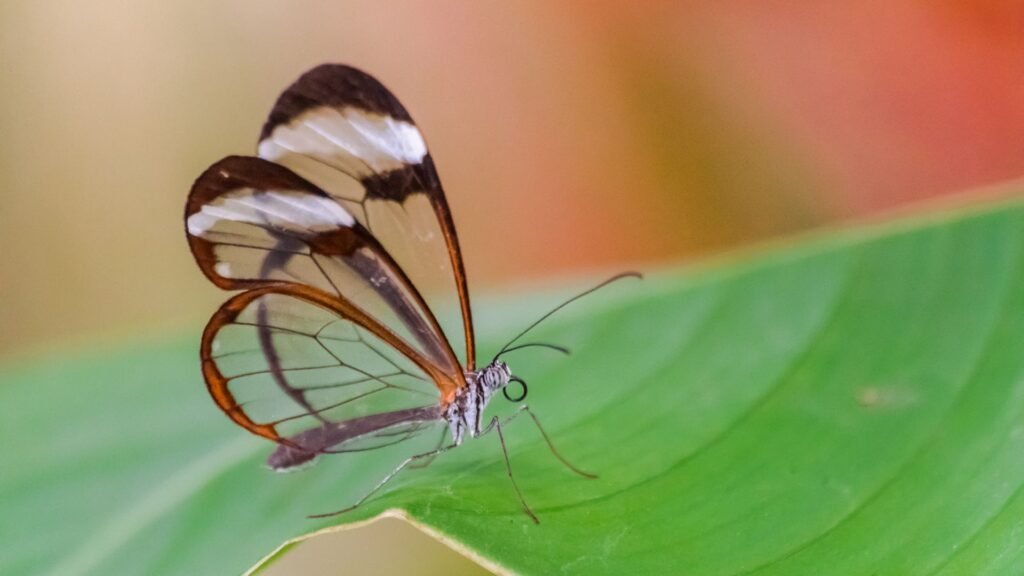
In Costa Rica, these actions are most effective when science, policy, and local communities work together. Programs that link conservation goals with livelihoods — such as eco‑certification for farms or community‑led reforestation — ensure that protecting insects is seen not as a sacrifice, but as an investment in long‑term well‑being.
Protecting the Beating Heart of the Forest
The story of El Niño’s impact on insects is not just a scientific report — it’s a warning bell. In the space of a single season, decades of ecological balance can be disrupted. For Costa Rica, a nation that has built its identity and economy on thriving biodiversity, the stakes could not be higher.
Protecting insect diversity means protecting the forests, water cycles, crops, and wildlife that depend on them. This is not work that belongs only to scientists or policymakers — it is a shared responsibility that begins in our communities and extends across borders.
Here’s how you can make a difference:
- Get involved locally: Join or support conservation groups restoring forests and creating biological corridors.
- Adopt pollinator‑friendly practices: Whether you manage a farm, a garden, or a balcony, reduce pesticide use and plant native flowering species.
- Participate in citizen science: Contribute to insect monitoring programs like eButterfly or iNaturalist to help track population changes.
- Support eco‑responsible tourism: Choose operators who follow sustainable practices and invest in habitat conservation.
- Advocate and educate: Share knowledge with schools, communities, and visitors — awareness is the first step toward change.
Costa Rica’s insects may be small, but they are the pulse of the forest. Each action taken to protect them is an investment in a future where our children can still walk through rainforests alive with movement, color, and song.
As the Intergovernmental Science-Policy Platform on Biodiversity and Ecosystem Services (IPBES) reminds us, “Nature is declining globally at rates unprecedented in human history” — but with urgent, collective action, that story can change.