


The country is updating its action plan to align with global 2030 goals. We analyze what this means for the jaguar, the tapir, and our coral reefs.
In the 1990s, Costa Rica astonished the world. It became the first tropical nation to reverse deforestation, a visionary success built on a master plan of creating National Parks and the revolutionary Payment for Environmental Services (PES) program.
Today, nearly 30 years later, the country is preparing to launch its next great green revolution.
The nation’s current National Biodiversity Strategy (NBS) expires in 2025. Right now, in a process spanning 2024 and 2025, the Ministry of Environment and Energy (MINAE) and the National System of Conservation Areas (SINAC), with support from the UN Development Programme (UNDP), are designing the new roadmap. This plan will guide all conservation in Costa Rica until 2030 and beyond.
This isn’t just a bureaucratic document. It is the official battle plan that will decide which habitats are prioritized, which species receive critical funding, and where the money for conservation will be spent. The future of every species on this website is being written into this strategy.
The “Paris Agreement for Nature”
Costa Rica is not acting alone. This new national plan is being designed to align with the Kunming-Montreal Global Biodiversity Framework, adopted by the world in 2022.
This framework is essentially the “Paris Agreement for Nature.” It’s the planet’s most important pact to halt the mass extinction crisis. Its ambitious targets are now Costa Rica’s targets:
- The “30×30” Target: To effectively conserve at least 30% of the planet’s land, freshwater, and oceans by 2030.
- The Restoration Target: To restore at least 30% of degraded ecosystems.
- The Finance Target: To mobilize $200 billion per year globally for biodiversity.
What This New Strategy Means for Costa Rica’s Species
This is where policy on paper translates to protection in the rainforest and the ocean.
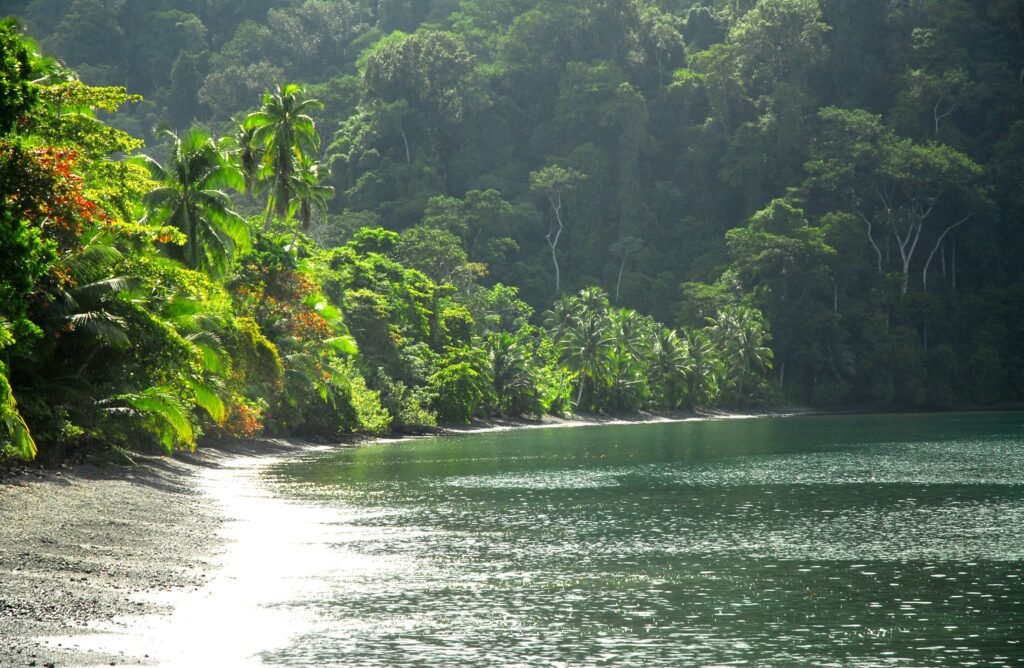
If the goal is “30×30,” it means something different for land and sea. For terrestrial species, it’s not just about creating new parks. It’s about making the existing Biological Corridors (which already cover 33% of the country) functional. This is the only way wide-ranging species like the jaguar and the Baird’s Tapir can travel, find mates, and maintain genetic diversity. The new strategy must fund and empower these corridors.
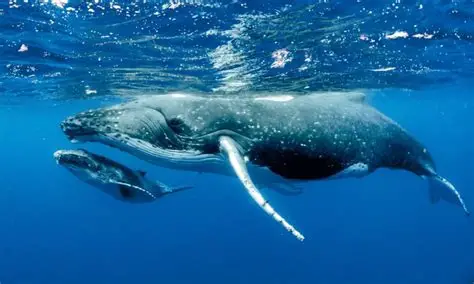
For marine species, this is the big frontier. Costa Rica has already protected over 30% of its ocean territory, primarily through the expansion of the Cocos Island National Park. The new strategy must now define how this vast area will be managed and funded. This is critical for protecting the migratory routes of hammerhead sharks, nesting sea turtles , and humpback whales.
If the goal is “30% Restoration,” it means rebuilding what has been lost. For amphibians and birds, this means reforesting critical riverbanks and mangrove swamps. For our oceans, it means actively supporting coral reef restoration projects, like those in the South Caribbean, which are essential nurseries for fish.
And if the goal is “Finance,” it means more than just government budgets. It requires new models that involve the private sector. This is where innovative models like the Green Circle Experience become crucial. As a “regenerative travel” initiative, it demonstrates how tourism can move beyond “sustainability” to actively fund restoration, sustainable livelihoods, and the very conservation goals the new strategy outlines.
The Opportunity (and the Paradox): Why Your Voice Matters Now
In September 2025, MINAE and the UNDP officially launched the public consultation process for this new strategy. They are actively asking for input from scientists, NGOs, businesses, and citizens.
This call to action comes at a critical time. A 2023 survey from the University of Costa Rica (UCR) revealed a striking paradox: while an overwhelming majority of Costa Ricans value biodiversity, most also feel the government “cares little or nothing” about it.
This public consultation is the moment to bridge that gap. While some citizens may feel disconnected, the government is officially asking the “People of Costa Rica” to help shape the future of their own natural heritage.
The Next Decade is Being Written Today
Costa Rica’s first visionary plan saved its forests. This new master plan, the post-2025 National Biodiversity Strategy, will define how its species will survive the intertwined crises of climate change and extinction.
The future of the species we love is being decided in these workshops and documents. For a country that has biodiversity in its very DNA, participating in this process isn’t just an opportunity—it’s a national responsibility.