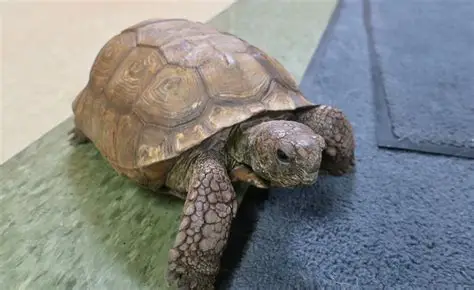
The extinction of a single species rarely occurs in isolation. In nature’s intricate web, the loss of one organism can destabilize entire ecosystems, triggering what scientists call coextinction—the disappearance of species that depend directly or indirectly on another. Ahead of International Biodiversity Day (22 May), the United Nations University (UNU) has warned in its Interconnected Disaster Risks report that accelerated extinctions are creating cascading risks that could lead to ecological collapse.



The Gopher Tortoise: An Ecosystem Architect
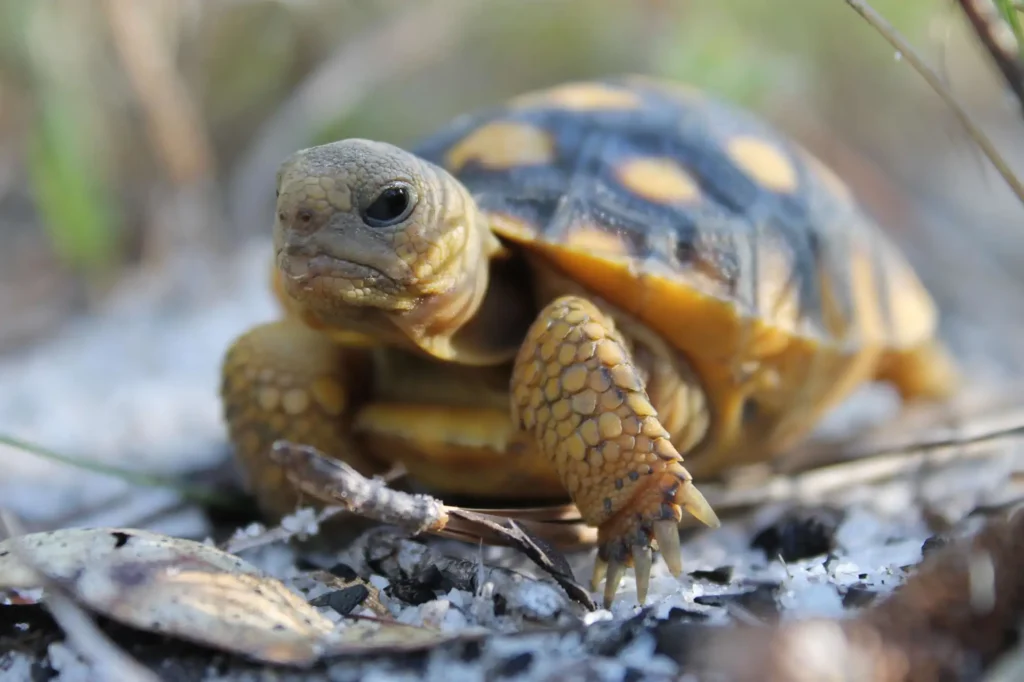
One of the clearest examples comes from the gopher tortoise of the southeastern United States. Among the oldest living reptiles on Earth, this endangered species is more than just a resident of its coastal plain habitat—it is an ecosystem engineer. With shovel-like forelimbs, gopher tortoises dig burrows that stretch 6–9 meters long and up to 2.5 meters deep.
These burrows provide safe havens for more than 350 other species, including insects, snakes, amphibians, and mammals. For some, the burrows are critical breeding grounds; for others, they offer refuge from predators and extreme weather. Without the tortoise, this network of life would unravel. One of the most vulnerable is the gopher frog, already critically endangered, which relies almost entirely on these burrows for survival.
If the tortoise disappears, the frog and dozens of other species may soon follow—an ecological domino effect set in motion by the extinction of a single animal.
The Domino Effect of Extinction
This phenomenon illustrates a broader truth: ecosystems are webs of dependency. The loss of one species can cascade into the decline of many others, and eventually into the collapse of entire habitats. Scientists estimate that nearly one million species of plants and animals worldwide are now threatened with extinction. Each loss weakens the resilience of ecosystems that humanity depends on for clean air, fertile soil, food, and climate regulation.

Another Example: The Sea Otter and Kelp Forests
The story of the sea otter further demonstrates how coextinction unfolds in marine systems. Once abundant along Pacific kelp forests, sea otters were driven to the brink by relentless hunting for their pelts. Their disappearance caused sea urchin populations to explode, since otters are their primary predator.
Unchecked, urchins devastated vast kelp forests, transforming lush marine habitats into barren “urchin barrens.” Kelp forests are not just seaweed—they provide shelter and food for over 1,000 species, including fish, turtles, seabirds, seals, and even whales. Without otters, the decline of kelp imperils a cascade of species, threatening entire food webs.
Human Pressures Driving Coextinction
According to UNU, humanity is accelerating extinction rates at tens to hundreds of times the natural background pace. The key drivers are well-known:
- Land-use change (deforestation, urban expansion, agriculture)
- Overexploitation (overfishing, hunting, poaching)
- Climate change (heat stress, extreme events, shifting habitats)
- Pollution (plastic, chemicals, waste)
- Invasive species (competition, predation, disease spread)
In the past century alone, over 400 vertebrate species have been lost. Each disappearance risks pulling others down with it, reducing the stability of ecosystems that regulate climate and sustain human livelihoods.
UNU’s Interconnected Risks
The UNU identifies accelerated extinctions as one of six major interconnected disaster tipping points. These points occur when human pressures push natural systems beyond their ability to absorb shocks. Once crossed, the domino effect of coextinction can no longer be stopped by incremental conservation—it requires systemic transformation.
Building a Different Future
The Kunming-Montreal Global Biodiversity Framework (2022) sets ambitious goals: reduce extinction rates tenfold by 2050, restore populations of native species, and expand protected areas. Yet, as UNU’s lead author Zita Sebesvari emphasizes, policies must go beyond emergency interventions. Restoring ecological corridors, protecting keystone species, and addressing root causes of biodiversity loss are essential if humanity is to halt the tide of extinctions.
Crucially, conservation must move beyond a narrow, species-by-species approach. Protecting the web of life itself—the interactions and dependencies between species—is the only sustainable path. Otherwise, preventing the extinction of one species may do little to stop the collapse of many others.
Coextinction is more than a scientific concept; it is a warning that humanity’s fate is intertwined with nature’s. When the gopher tortoise vanishes, so too may the gopher frog. When the sea otter disappears, kelp forests—and the thousands of species they shelter—may collapse. Each extinction sets off ripples that reach further than we imagine.
As the UNU report makes clear, halting biodiversity loss is not optional—it is the foundation for human survival. Urgent, decisive measures are needed to preserve ecosystems and the resilience of the natural world. Recognizing ourselves as part of this web is the first step toward ensuring a future where both people and the planet thrive.