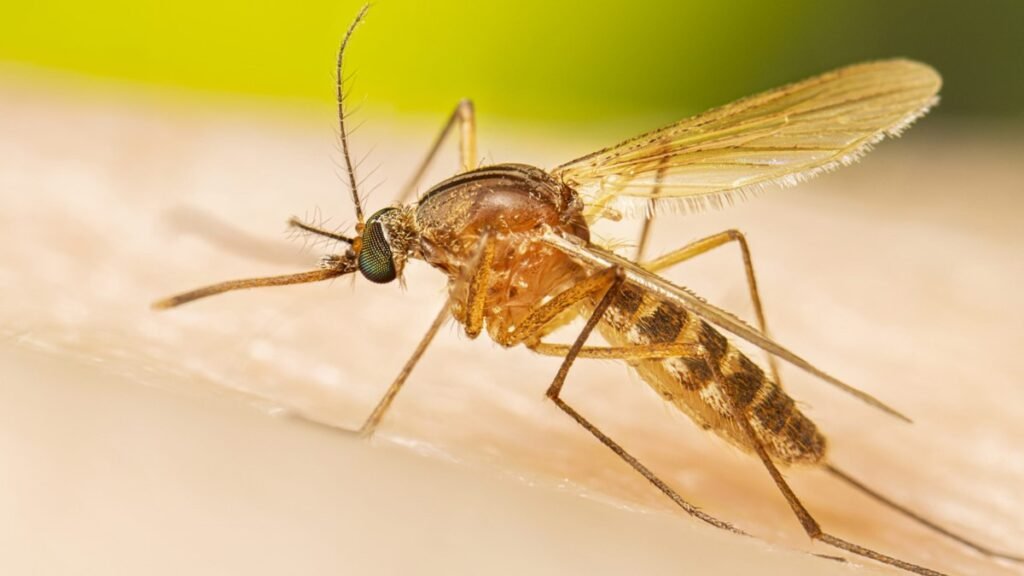
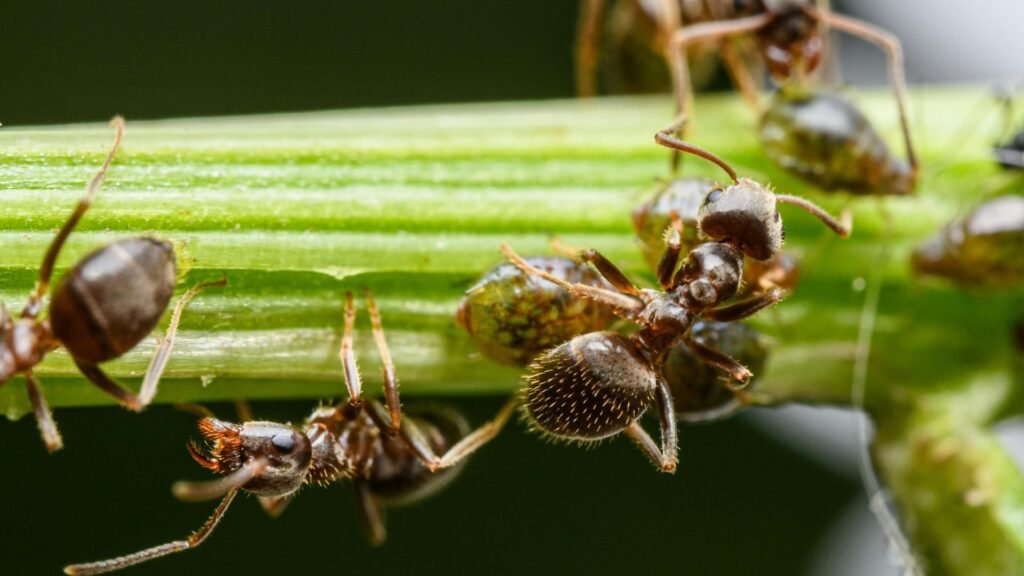
Tropical rainforests are among the most biodiverse ecosystems on Earth, home to an astonishing array of arthropods—tiny creatures that form the invisible foundation of life in these environments. From beetles and butterflies to ants and spiders, arthropods are the backbone of tropical food webs. However, emerging research from tropical regions across the globe has revealed a silent but dramatic decline in their populations, largely attributed to rising temperatures driven by climate change.
Costa Rica, a country renowned for its biodiversity and commitment to conservation, is not immune to this threat. As temperatures rise and climatic patterns shift, the abundance of arthropods in our forests may be diminishing—posing a serious risk to the intricate ecological balance that sustains life in these ecosystems.



What Is Happening to Arthropods?
Recent long-term studies in tropical rainforests have documented staggering reductions in arthropod biomass over the past few decades. In some cases, insect abundance has plummeted to a fraction of its former levels. While habitat destruction and pesticide use are contributing factors, climate change—particularly the steady rise in average temperatures—is emerging as a key driver of this phenomenon.
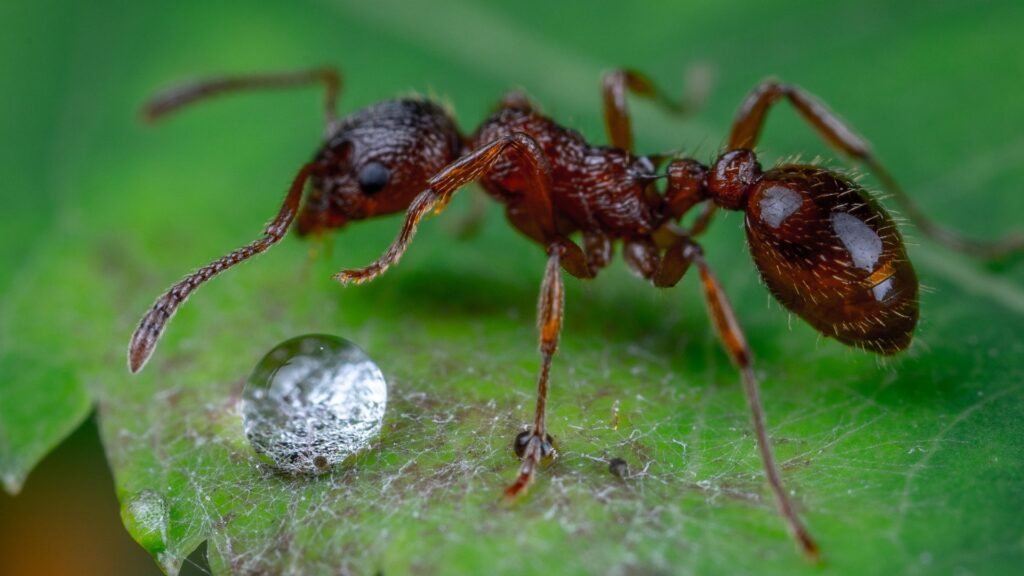
Tropical arthropods are especially vulnerable to temperature changes. Unlike animals in temperate zones, tropical species have evolved in relatively stable thermal environments and are often adapted to narrow temperature ranges. Even small increases in ambient temperatures can push them beyond their physiological limits, reducing reproductive success, altering behavior, and increasing mortality.
Why It Matters: Arthropods Are the Foundation
Arthropods are not just numerous—they are essential. They pollinate plants, recycle nutrients, aerate soil, and serve as the primary food source for countless other organisms. Frogs, lizards, birds, and small mammals depend on a rich and stable supply of insects and other invertebrates to survive. A collapse in arthropod populations sets off a cascade of consequences up the food web.


In Costa Rica’s rainforests, where insectivorous species are abundant and diverse, such a collapse could be catastrophic. Species that rely on daily foraging of ants, termites, caterpillars, and beetles could face food shortages, population declines, or even local extinction. Ecosystems that once thrived in balance could become destabilized, altering the dynamics of predation, competition, and reproduction across multiple taxa.
Are We Seeing the Early Signs in Costa Rica?
Although systematic, long-term data on insect biomass in Costa Rica is still limited, anecdotal observations and scattered surveys suggest that certain groups—such as moths and butterflies—are becoming less common in some areas. Changes in seasonal patterns, increased frequency of extreme heat events, and prolonged dry spells may already be reshaping insect populations, especially in lowland rainforests and transitional ecosystems like dry forests or montane regions.
Protected areas such as La Selva Biological Station, Monteverde Cloud Forest, and Corcovado National Park could serve as vital monitoring sites to study these trends. However, without coordinated efforts to measure and track arthropod populations over time, these changes may go unnoticed until the consequences are irreversible.
What Can Be Done?
1. Implement Long-Term Monitoring Programs
Costa Rica urgently needs a national strategy for monitoring arthropod biomass and diversity, particularly in climate-sensitive areas. Establishing consistent sampling protocols—such as pitfall traps, sweep nets, and light traps—can provide valuable baseline data for assessing long-term trends.
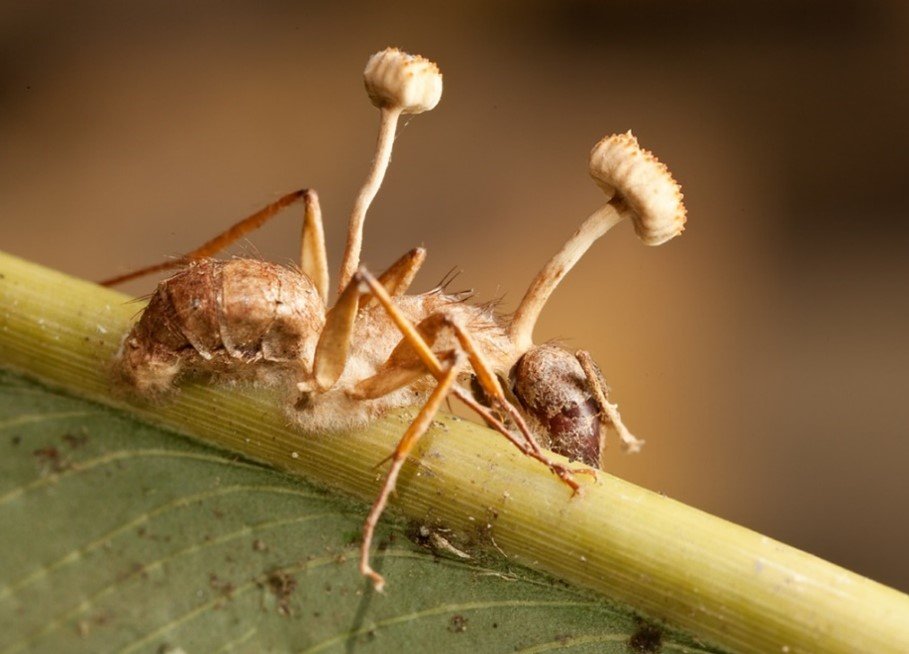
2. Promote Citizen Science and Public Awareness
Engaging the public in insect monitoring can help gather widespread data while raising awareness about the ecological importance of these often-overlooked creatures. Platforms like iNaturalist, biodiversity apps, and school-led initiatives can empower communities to become stewards of insect conservation.
3. Integrate Arthropods into Conservation Policy
While Costa Rica has made great strides in protecting charismatic megafauna and forest habitats, conservation strategies must now explicitly include invertebrates. Policies that mitigate climate change, limit pesticide use, and preserve microhabitats for insects are essential.
The decline of tropical arthropods is a clear signal that climate change is already reshaping our ecosystems in profound ways. In Costa Rica—a nation that has long championed biodiversity—it is time to expand our conservation lens and pay attention to the smallest creatures that sustain the greatest ecological processes.
Failing to act now risks not only the loss of countless insect species but also the collapse of the food webs and ecological functions they support. Protecting arthropods is not just about preserving insects—it is about preserving life as we know it in the tropical forests of Costa Rica.