
The Dragon’s Gold Rush: How Chinese Mega-Mining in Nicaragua Threatens Costa Rica

In ecology, political maps are meaningless lines. A river poisoned at its source flows downstream regardless of borders, and a forest felled in one country can silence the wildlife in the next. This stark reality is becoming an urgent concern for Costa Rica as alarming news emerges from its northern neighbor. Chinese companies, with the […]
Uniting for the King: American Nations Launch a Historic Plan to Save the Jaguar
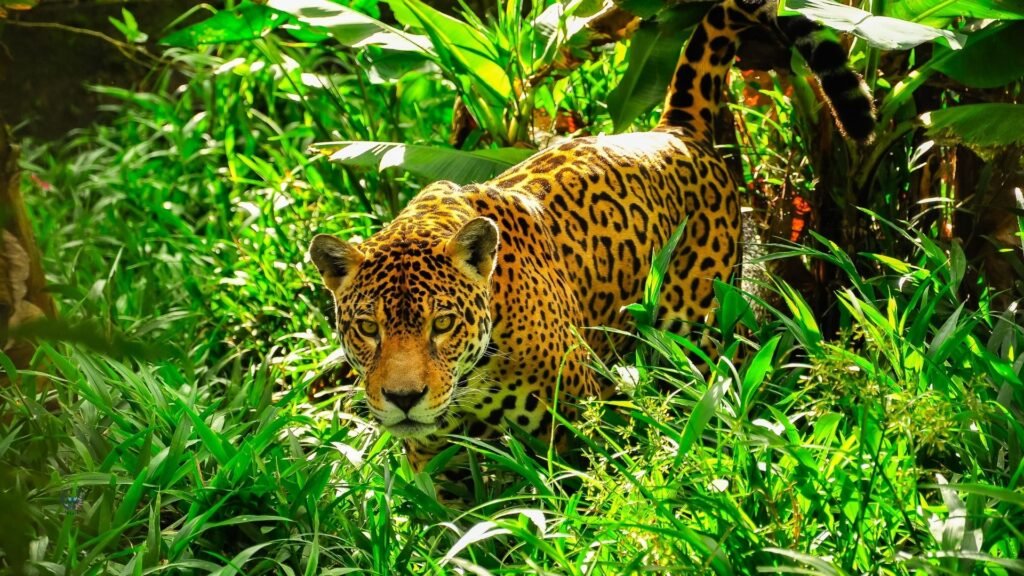
The jaguar (Panthera onca), a symbol of ecological health and a cultural icon throughout the Americas, has long roamed the dense forests and wetlands of Costa Rica. As the continent’s largest feline, it stands as a testament to the wild heart of our nation’s biodiversity. Now, in a landmark move for conservation, 18 countries across […]
Jaguar in Brazil Sets New Record: Swims at Least 2.3 km Across Reservoir
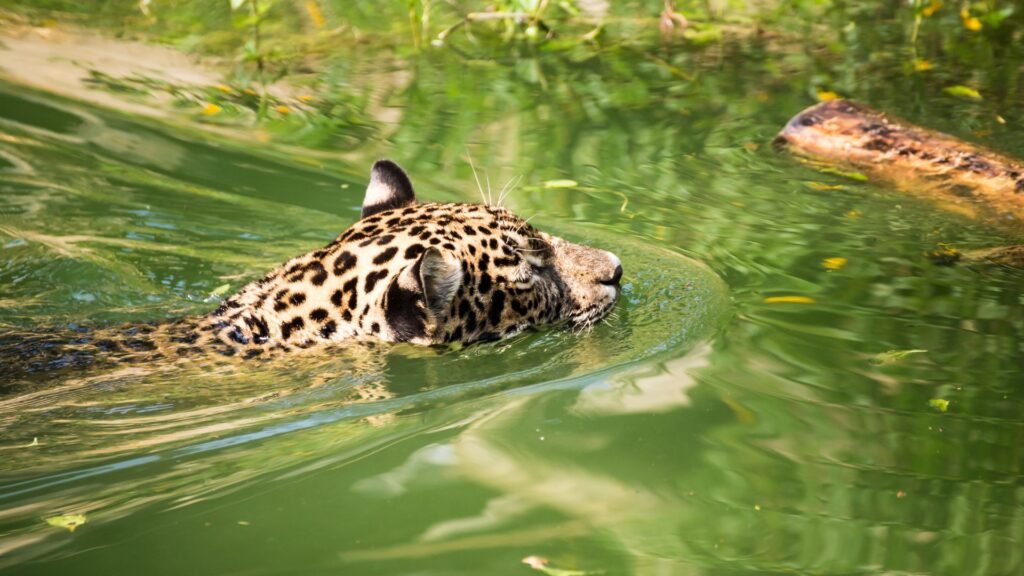
A male jaguar (Panthera onca) in Brazil has been documented making the longest recorded swim ever observed for the species, covering an estimated 2.30 kilometers (2,300 meters) across a reservoir. This feat shatters the previous record of ~200 meters and expands our understanding of how jaguars interact with aquatic landscapes. news.mongabay.com+2Live Science+2 Observation and Identification […]
Amazon Trees Are Getting Bigger: What Science Reveals About a Changing Forest
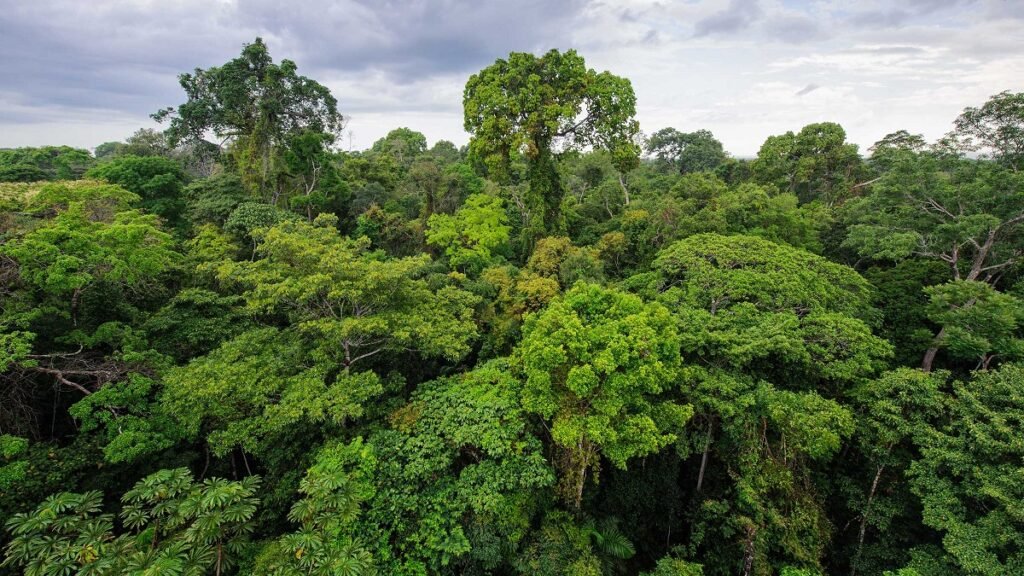
Recent scientific research has revealed a surprising trend in the Amazon rainforest: trees are getting bigger. According to a study published in Nature Plants in 2025, the average size of trees across large portions of the Amazon has increased by approximately 3.2 to 3.3 percent per decade over the past several decades. This growth suggests […]
The New “Battle Plan”: What the Kunming-Montreal Framework Means for Costa Rica’s Species

Analyzing the 30×30 target and how Costa Rica’s new national strategy will directly impact the jaguar, sea turtles, and our forests. The planet is facing an extinction emergency. For decades, this crisis has accelerated, driven by habitat loss, climate change, and pollution. Like the climate crisis, this catastrophic loss of biodiversity needed an urgent, unified […]
The Return of Elephant Mega-Herds: A Conservation Success Story
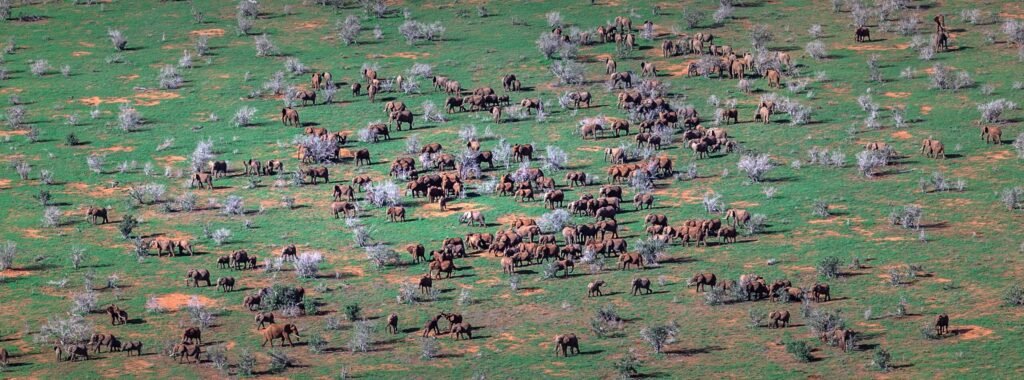
For the first time in decades, Africa is witnessing the resurgence of massive elephant herds—gatherings of 500 or more individuals traveling together across the savanna. This remarkable phenomenon, absent since the 1970s, signals a potential turning point in elephant conservation efforts and offers renewed hope for wildlife protection worldwide. Factors Enabling Recovery The resurgence of […]
Pervasive Anthropogenic Scarring on Whale Sharks (Rhincodon typus) Reveals the Hidden Costs of Unregulated Ecotourism
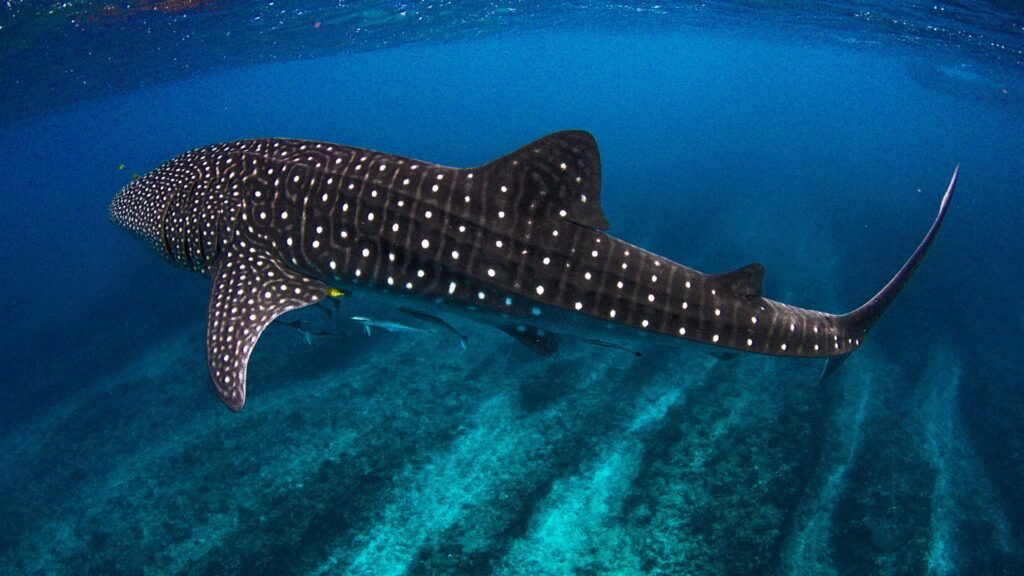
A recent scientific investigation into a major whale shark aggregation site has revealed an alarming and near-universal prevalence of anthropogenic scarring on the resident population. The findings indicate that the very industry built around observing these animals—ecotourism—is the primary driver of sub-lethal, physical injury. This study presents a critical paradox where a conservation-funded enterprise is […]
The Mud Shield: How Europe is Restoring Wetlands as a Natural Defense Against Russia

In an era defined by the high-tech warfare of drones, hypersonic missiles, and cyber-attacks, a new defensive strategy is emerging along Europe’s eastern flank. It relies not on concrete or steel, but on one of nature’s oldest and most effective barriers: mud. Alarmed by Russian aggression, nations on NATO’s front line are actively restoring strategic […]
Coextinction: When One Species’ Demise Triggers a Chain Reaction in Nature

The extinction of a single species rarely occurs in isolation. In nature’s intricate web, the loss of one organism can destabilize entire ecosystems, triggering what scientists call coextinction—the disappearance of species that depend directly or indirectly on another. Ahead of International Biodiversity Day (22 May), the United Nations University (UNU) has warned in its Interconnected […]
Latin America Leads Global Tropical Deforestation: Peru Among the Most Affected
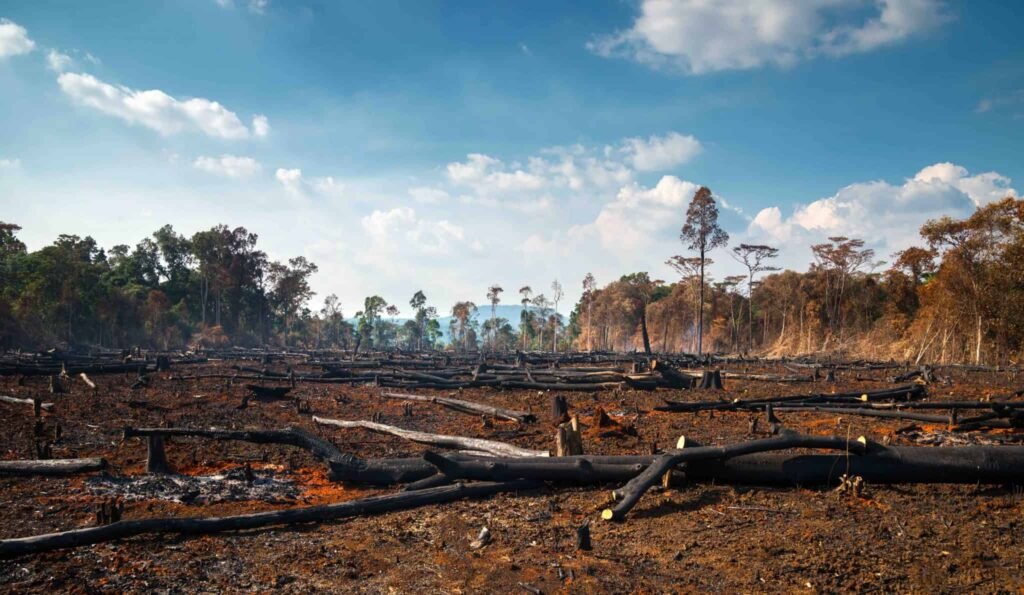
Recent analyses confirm an alarming trend: Latin America has become the region with the highest rate of tropical forest loss in the world. Data from Global Forest Watch and other monitoring platforms indicate that in 2024 tropical countries lost approximately 6.7 million hectares of primary forest, with Latin America accounting for the largest share. This […]