For decades, the global strategy to save tropical forests has operated on a familiar, flawed model: a mix of international aid, philanthropic donations, and small-scale carbon credit projects. It has been a story of good intentions perpetually outgunned by the colossal economic forces driving deforestation. The funding, while welcome, has been a fraction of what is needed, and often as unpredictable as the political winds in donor capitals.
This model has failed to match the scale of the crisis. Now, a new one is on the table.
At the historic COP30 Climate Summit in Belém, Brazil—a city aptly positioned at the mouth of the Amazon River—President Luiz Inácio Lula da Silva has officially launched the Tropical Forest Forever Facility (TFFF). This isn’t just another plea for donations; it’s a seismic shift in climate finance. The TFFF is an ambitious, Brazil-led investment mechanism designed to mobilize a staggering $125 billion, fundamentally changing the economic equation by making a living, standing forest more valuable than a razed one.



This article will break down what the TFFF is, how its innovative financial architecture is supposed to work, who is involved, and whether this Global South-led initiative can finally succeed where others have fallen short.
What is the Tropical Forest Forever Facility (TFFF)?
At its heart, the TFFF is a global fund with a simple, revolutionary premise: to pay nations for the conservation services their forests provide to the planet. It moves beyond short-term projects and aims to create a permanent, performance-based payment system for preserving forest-rich lands.
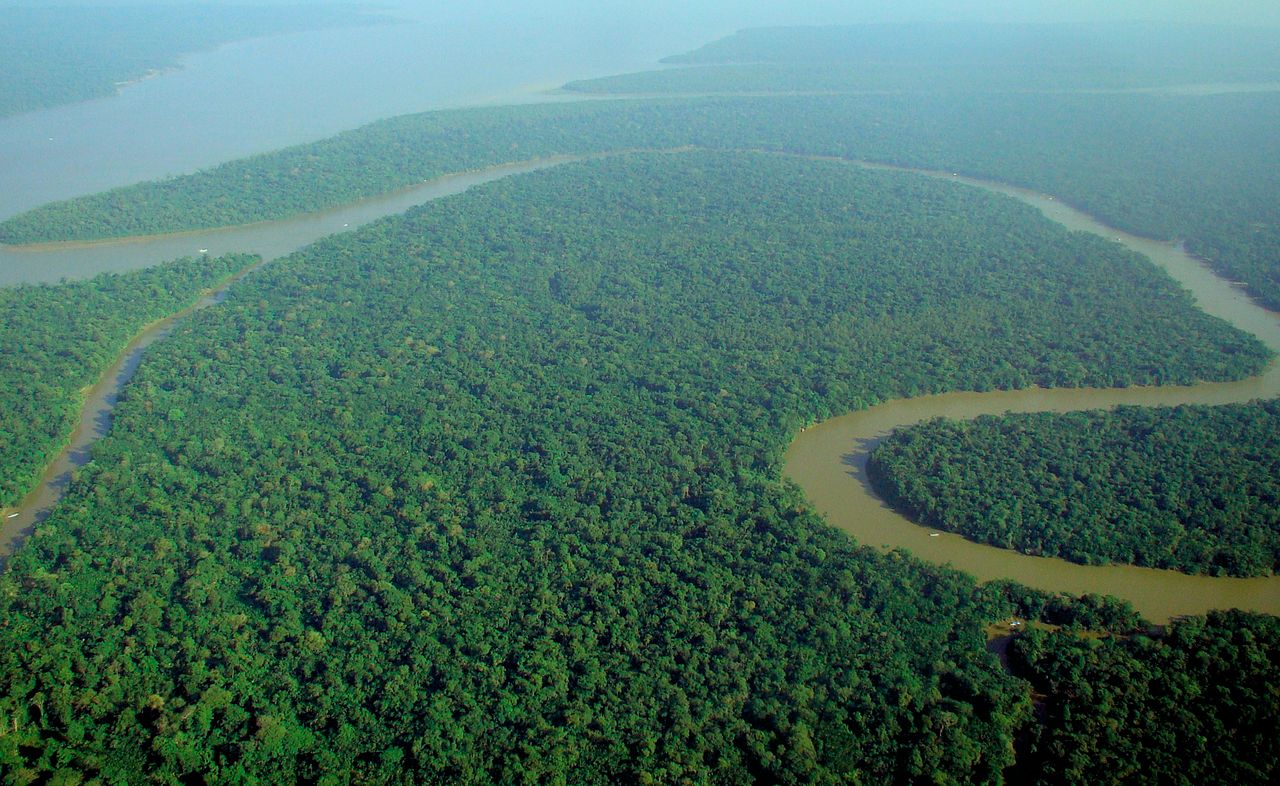
The goal is to protect the world’s three major tropical forest basins—the Amazon, the Congo, and the Mekong/Southeast Asia—which together span a potential 74 tropical forest nations.
The financial scale is what truly sets it apart:
- Total Goal: The facility aims to mobilize $125 billion.
- Sponsor Capital: The process starts by securing $25 billion in “sponsor capital.” This initial capital is sought from sovereign wealth funds and wealthy nations committed to climate action.
- Private Leverage: This $25 billion will then be used as collateral, a guarantee to “de-risk” the investment. This security allows the fund to issue bonds and attract an additional $100 billion from the private capital market—think of massive institutional investors like pension funds who seek stable, long-term, and “green” investments.
This is not just a theoretical proposal. At its COP30 launch, the facility was announced with initial seed commitments of over $5.5 billion, signaling that key players are taking this mechanism seriously.


The Mechanism: How Investment Turns into Conservation
The true innovation of the TFFF lies in its financial loop. It’s not a fund of money to be spent down; it’s an endowment built to last forever.
Here is the three-step process:
Step 1: The Investment. The entire $125 billion (or as it is capitalized) will be managed by the World Bank. This capital will be invested in a large, diverse portfolio of sustainable and green assets, such as government bonds, corporate green bonds, and other secure financial instruments. Crucially, the fund’s charter explicitly forbids investment in fossil fuels or other deforestation-linked sectors.
Step 2: The Return. Like any massive investment fund, this portfolio is professionally managed to generate a profit—a stable, annual financial return.
Step 3: The Payout. Here is the masterstroke. The fund’s principal ($125 billion) is never touched. Only the profits—the annual returns—are distributed. These profits are then paid out as predictable, annual payments to the participating tropical forest nations.
This “contract” is what makes the TFFF a game-changer. The payments are not guaranteed handouts; they are results-based.
Countries will receive their annual payment based on a simple, verifiable metric: the number of hectares of primary forest they successfully kept standing in the previous year. This performance will be verified by a transparent, globally-accepted satellite monitoring system, removing ambiguity and political pressure.
Furthermore, a key provision pushed by Brazil and its partners mandates that at least 20% of the funds received by a nation must be channeled directly to Indigenous Peoples and local communities. This acknowledges their role as the most effective on-the-ground stewards of the forest and aims to ensure the benefits are shared equitably.
The Players: A New Global Alliance
This initiative is a significant moment of the Global South setting the agenda, rather than just reacting to it.
The Architect: Brazil, under the environmental leadership of President Lula and Minister Marina Silva, is the driving force. After years of frustration with the slow pace of developed nations’ climate finance promises, Brazil has designed its own solution.
The Initial Investors (Sponsors): Several countries have stepped up. Norway, a long-time partner in forest conservation (most notably through its past support of the Amazon Fund), was a key early backer. France also announced a major contribution at the launch. Widespread interest has been reported from the United Kingdom, China, and the United Arab Emirates, indicating a broad coalition of support.
The Beneficiaries & Partners: This is a collective effort. At its launch, 53 nations had already signed the TFFF’s declaration. This group includes 34 tropical forest nations such as the Democratic Republic of Congo (DRC), Indonesia, and Colombia, which, along with Brazil, hold the vast majority of the world’s remaining tropical forests.
Analysis: A Silver Bullet or a High-Stakes Gamble?
No plan of this magnitude is without challenges. The TFFF offers powerful advantages over the old model, but it also faces significant risks.
Why It Might Work (The Pros):
Financial Sustainability: It finally breaks the “begging bowl” cycle of conservation. By using returns from a permanent endowment, it creates a funding stream that can, in theory, last forever and is not reliant on the shifting political priorities of a few donor countries.
Unprecedented Scale: $125 billion is a figure that finally matches the scale of the problem. It generates enough annual revenue to actively compete with the economic drivers of deforestation (agriculture, mining, and logging), making conservation a viable economic path.
Predictability: For a environment minister in a country like Colombia or the DRC, knowing they will receive a stable, multi-million dollar payment every year if they protect their forests allows for long-term planning, strengthening environmental agencies, hiring park rangers, and enforcing conservation laws.
The Hurdles (The Cons & Challenges):
Governance: This is the single biggest risk. How will the fund ensure that the money, once paid to a national government, is used effectively and not lost to the corruption that plagues many resource-rich nations? The 20% mandate for local communities is a good start, but ensuring national-level accountability across 74 different countries will be a monumental task.
Verification: The pay-for-performance model lives and dies by its monitoring. The satellite verification system must be transparent, indisputable, and free from political manipulation. Any disputes over the data could erode trust in the entire facility.
Market Risk: The entire model is predicated on the investment fund generating sufficient returns. What happens in a year of a global financial crisis, like 2008, when the fund might generate zero or negative returns? This could halt payments and jeopardize the very predictability that makes the TFFF so attractive.
Watching the Forests and the Finances
The Tropical Forest Forever Facility is more than just a new fund; it’s a new philosophy. It is an assertion of leadership by the Global South, proposing a solution that moves from a narrative of climate aid and charity to one of climate investment and shared responsibility.
The TFFF is now live, but its real test begins. The first hurdle is full capitalization—raising the initial $25 billion in sponsor capital to unlock the $100 billion in private investment. The second, and longer, test will be its execution.
For decades, the world has asked tropical nations to protect their forests for the good of the planet, often while offering very little in return. The TFFF is a bold, audacious attempt to finally put a real, high-value price on preservation. The planet, and all its species, desperately need this high-stakes financial gamble to pay off.