Costa Rica has masterfully cultivated a global reputation as a biodiversity sanctuary, a verdant paradise where nature reigns supreme. Yet, beneath this green veneer, a harsh reality is unfolding for some of its most emblematic species. From the deep blue of its oceans to the misty cloud forests, a battle for survival is being waged, fueled by marine overexploitation, unchecked development, and habitat loss. The stories of the nation’s sharks, tapirs, and Great Green Macaws reveal that Costa Rica’s greatest challenge lies in closing the gap between its environmental aspirations and its actions.
Sharks: Trapped Between Overfishing and Bureaucratic Hurdles
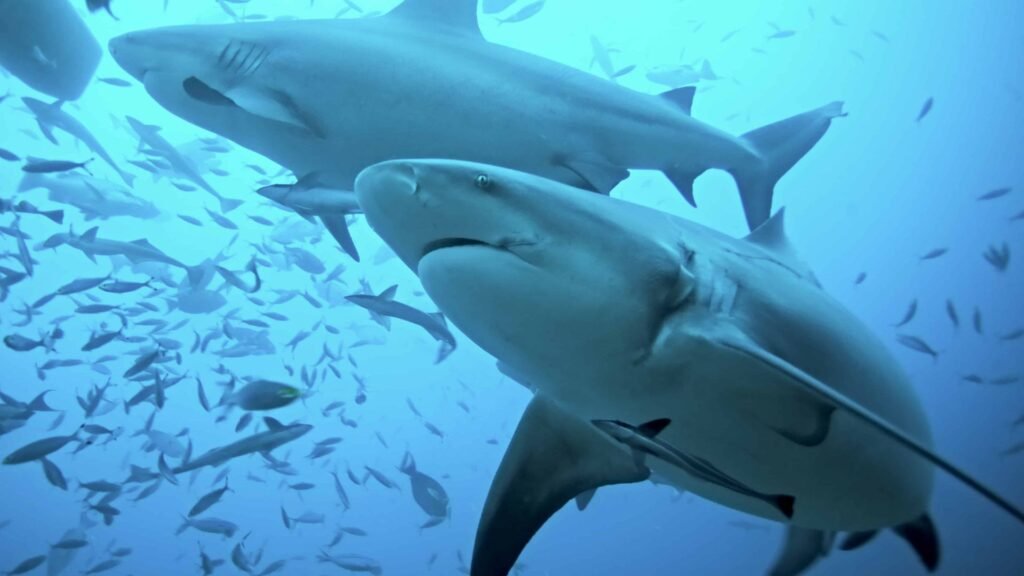
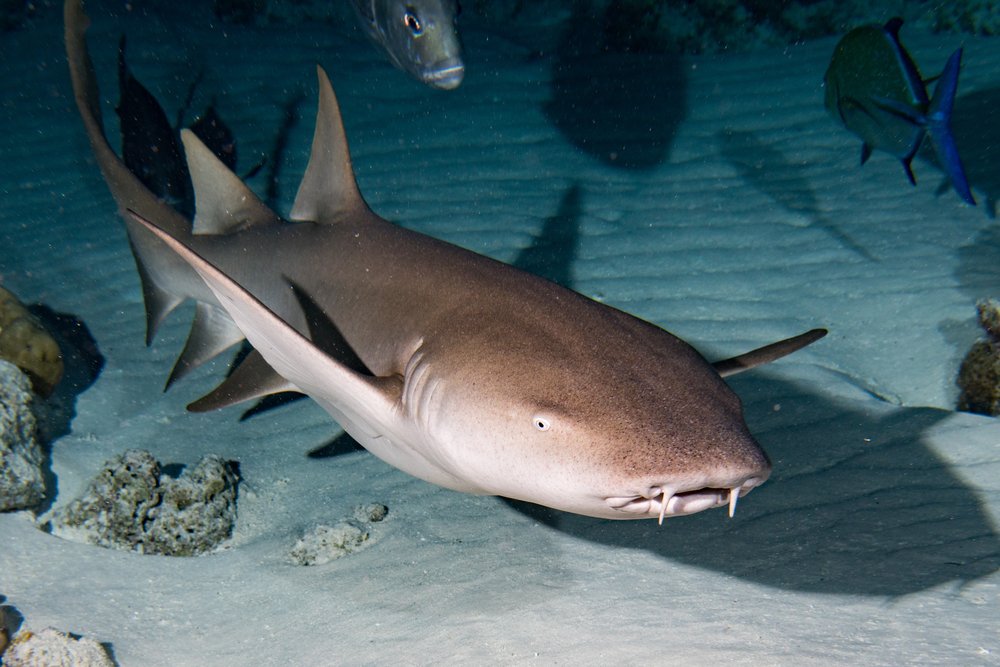
In the waters of the Pacific, particularly around the world-renowned Cocos Island, a silent crisis is decimating shark populations. The scalloped hammerhead shark (Sphyrna lewini), once abundant, is now critically endangered. The primary threat is overexploitation from both industrial and illegal fishing operations, which prize the animals for their fins.



While Costa Rica has laws on the books to protect these marine predators, conservationists report that progress is consistently stymied by governmental roadblocks. As detailed in reports by news outlet Mongabay, a lack of rigorous enforcement, legal loopholes, and institutional inertia allow destructive practices like long-lining to persist, even within theoretical protected areas. This not only dismantles the marine ecosystem by removing its apex predators but also damages the nation’s lucrative ecotourism industry, which depends on healthy oceans. Stronger marine governance and the political will to enforce existing regulations are urgently needed to turn the tide.
The Baird’s Tapir: A Victim of Pavement and Progress
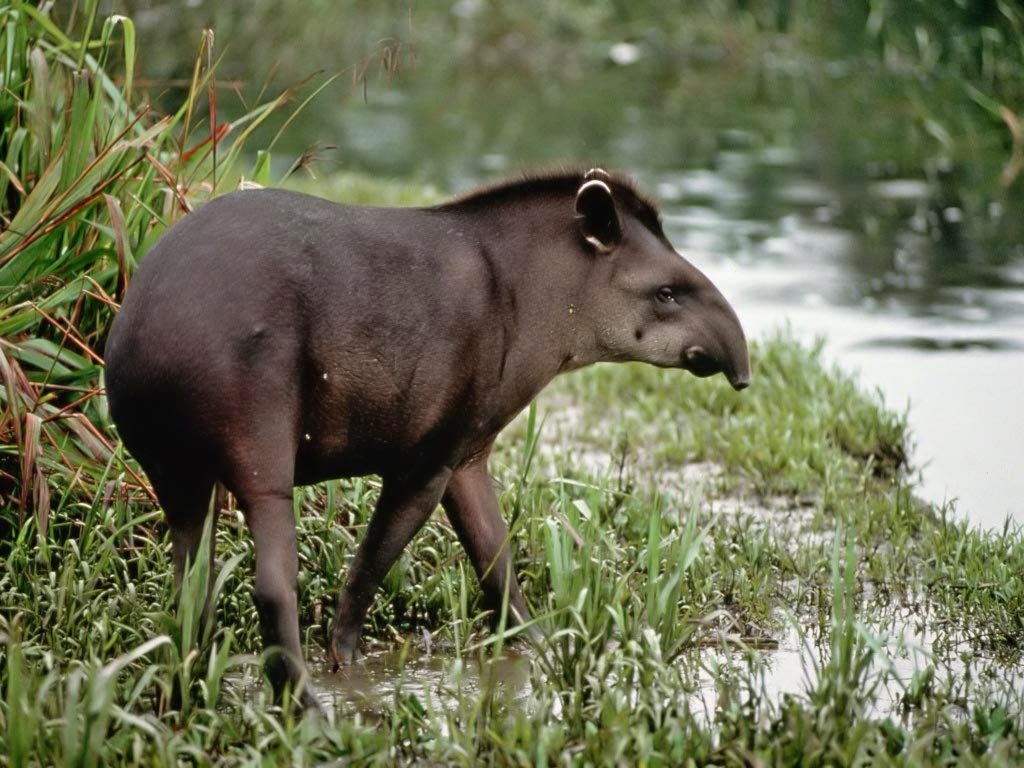
On land, the Baird’s tapir (Tapirus bairdii), the largest native land mammal in Central America, faces a distinctly modern threat: roads. As highways expand and traffic volume increases, these gentle giants are becoming frequent victims of vehicle collisions. The Inter-American Highway South, which cuts directly through vital biological corridors, has become a death trap.


According to organizations like Nai Conservation, which leads tapir preservation efforts, these roadkills represent devastating losses for a species with a slow reproductive rate. Furthermore, the highways fragment their habitat, isolating populations and creating genetic bottlenecks that threaten their long-term viability. While solutions like wildlife crossings and public awareness campaigns to reduce driving speeds are underway, the plight of the tapir highlights a critical conflict between national development and wildlife conservation that demands smarter, more integrated planning.
The Great Green Macaw: A Future Tied to Its Forest
For the magnificent Great Green Macaw (Ara ambiguus), survival is inextricably linked to a single tree species: the mountain almond (Dipteryx panamensis). This critically endangered bird depends almost exclusively on these massive trees for both food and nesting sites. Consequently, the deforestation of the mountain almond for lumber and agriculture has pushed the macaw to the brink of extinction.
But in this story, there is a powerful ray of hope. As recently announced and covered by Mongabay, conservation efforts have culminated in the creation of the new Sarapiquí Rainforest Reserve. This protected area was specifically designed to safeguard one of the macaw’s last major strongholds in the country. Spearheaded by organizations like the Macaw Recovery Network, the reserve secures a vital feeding and breeding ground, demonstrating that targeted, decisive action can yield profound results. It’s a crucial victory, reminding us that protecting habitat is the first and most essential step in saving a species.
Counterforce: Sustainable Tourism as a Conservation Engine
Amid these challenges, a powerful positive force is gaining momentum: sustainable tourism. Moving beyond simply observing nature, innovative models are proving that tourism can be a direct engine for conservation and community development. By creating economic value from intact ecosystems, these initiatives provide a compelling alternative to destructive practices.
A unique example of this is the Green Circle Experience. This model creates a symbiotic relationship between tourism, local farmers, and conservation organizations. Here’s how it works: Tourists participate in experiences that directly fund the reforestation of biological corridors with native trees. These trees are purchased from local family-run nurseries, providing them with a sustainable income. The reforested areas, in turn, help protect vital water resources and create new habitats for species like the tapir and macaw. It’s a virtuous cycle where visitors actively help heal the environment, local communities prosper, and biodiversity is strengthened. This model demonstrates that when structured correctly, tourism can be a powerful tool for restoration, not just observation.
A Call for Coherence and Urgent Action
The distinct struggles of Costa Rica’s sharks, tapirs, and macaws paint a comprehensive picture of the nation’s conservation crossroads. These are not isolated incidents but symptoms of a broader challenge. True sustainability will not be measured by reputation alone, but by the country’s ability to protect its most vulnerable species from the pressures of the modern world. The future of Costa Rica’s celebrated biodiversity depends on the actions—and the political will—of today.