
Brazil Launches the “Tropical Forest Forever Facility”: The $125 Billion Plan to Save the World’s Forests?
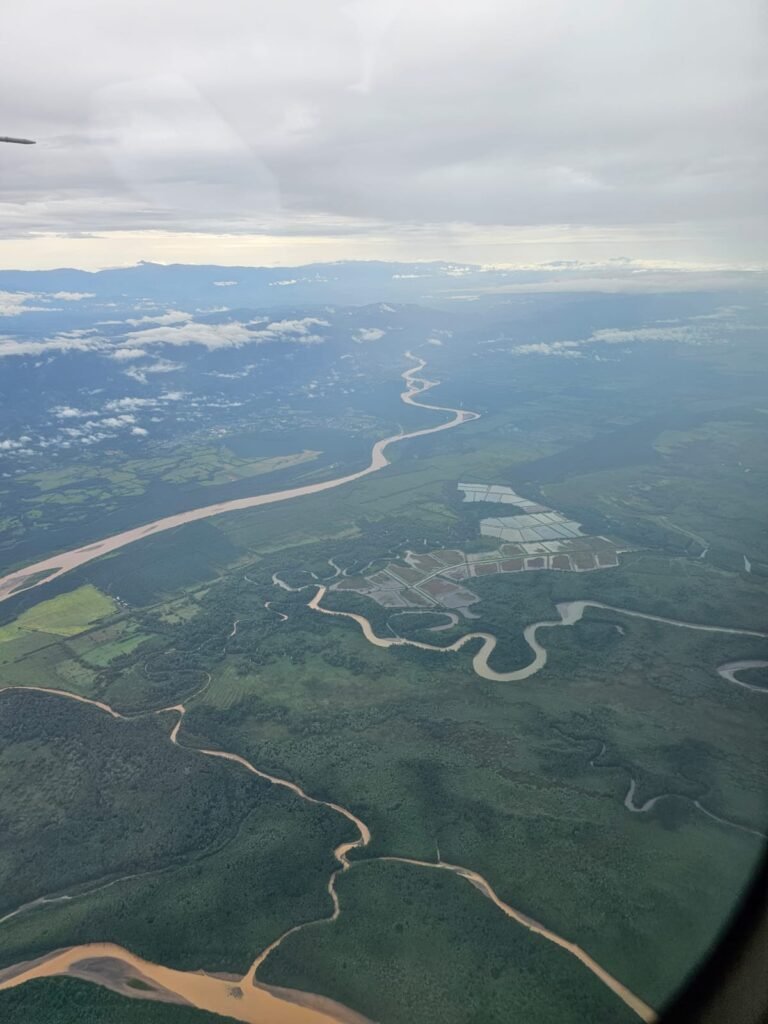
For decades, the global strategy to save tropical forests has operated on a familiar, flawed model: a mix of international aid, philanthropic donations, and small-scale carbon credit projects. It has been a story of good intentions perpetually outgunned by the colossal economic forces driving deforestation. The funding, while welcome, has been a fraction of what […]
The Return of Elephant Mega-Herds: A Conservation Success Story
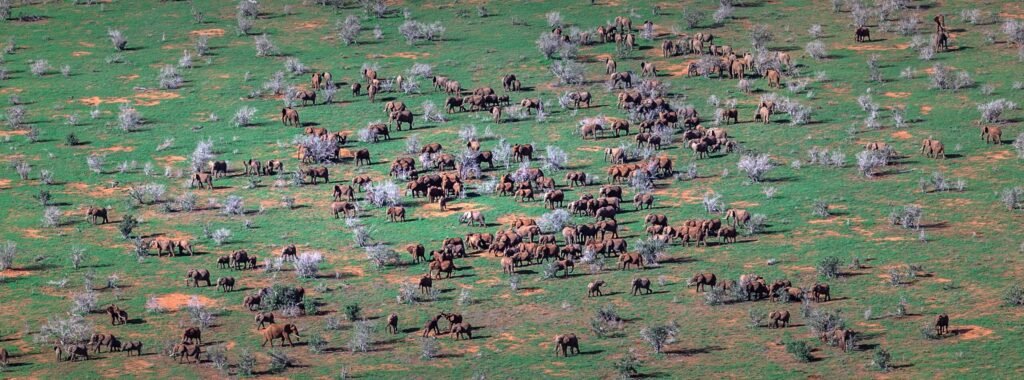
For the first time in decades, Africa is witnessing the resurgence of massive elephant herds—gatherings of 500 or more individuals traveling together across the savanna. This remarkable phenomenon, absent since the 1970s, signals a potential turning point in elephant conservation efforts and offers renewed hope for wildlife protection worldwide. Factors Enabling Recovery The resurgence of […]
Pervasive Anthropogenic Scarring on Whale Sharks (Rhincodon typus) Reveals the Hidden Costs of Unregulated Ecotourism
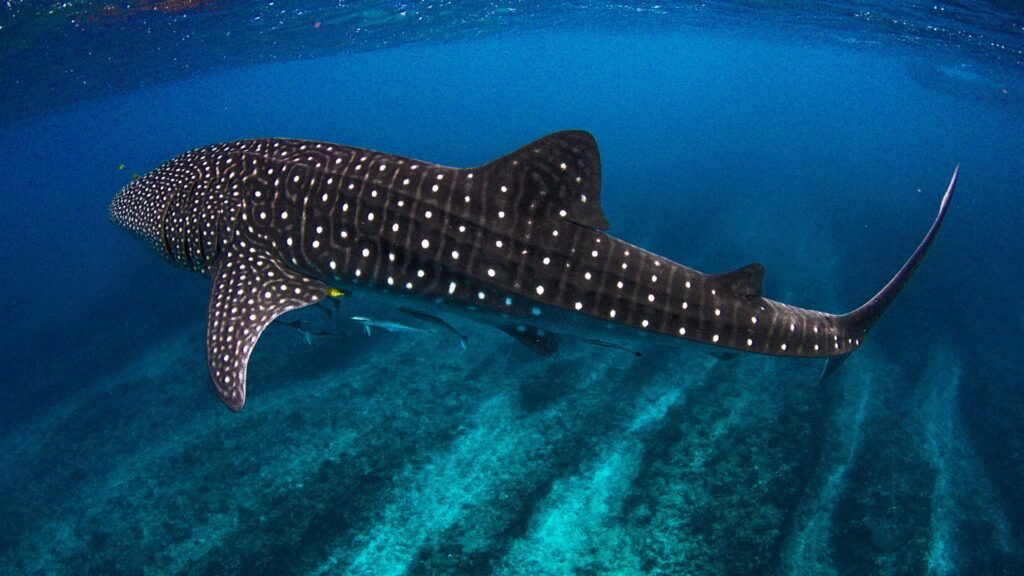
A recent scientific investigation into a major whale shark aggregation site has revealed an alarming and near-universal prevalence of anthropogenic scarring on the resident population. The findings indicate that the very industry built around observing these animals—ecotourism—is the primary driver of sub-lethal, physical injury. This study presents a critical paradox where a conservation-funded enterprise is […]
Costa Rica’s New Master Plan: How the Next Biodiversity Strategy Will Define the Future of Our Species
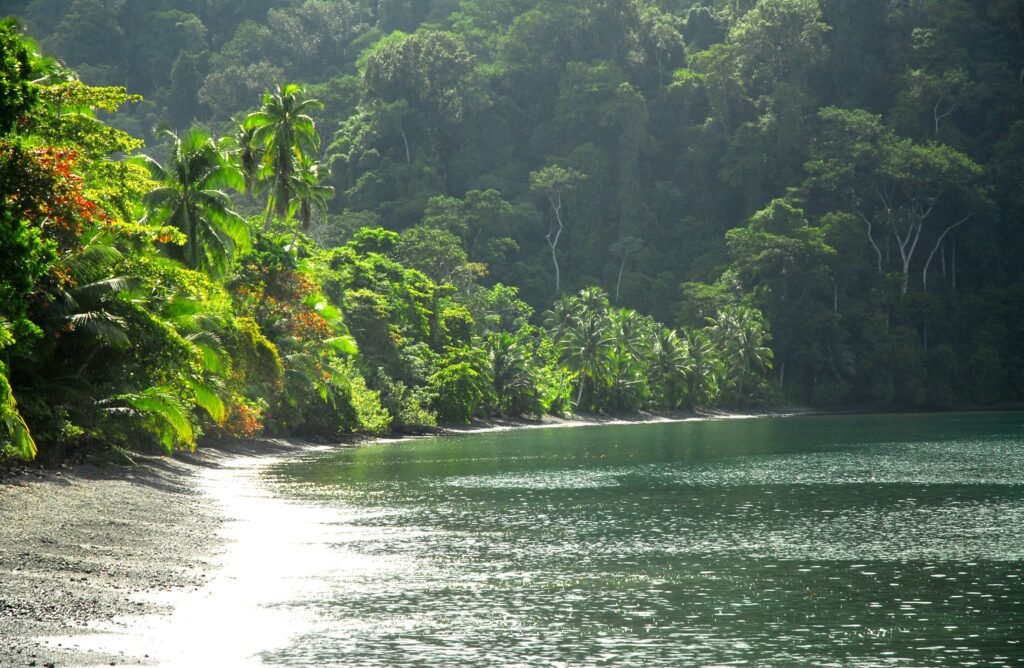
The country is updating its action plan to align with global 2030 goals. We analyze what this means for the jaguar, the tapir, and our coral reefs. In the 1990s, Costa Rica astonished the world. It became the first tropical nation to reverse deforestation, a visionary success built on a master plan of creating National […]
The Urban Jungle Gets Real: How Wildlife is Reclaiming Costa Rica’s Cities

It’s a scene becoming increasingly common in Costa Rica’s bustling Central Valley: the blue glow of a smartphone screen captures a fleeting, ghostly shape trotting across a suburban street in Escazú. It’s not a stray dog, but a coyote. In a Curridabat backyard, a family of raccoons expertly raids a compost bin. High above, a […]
Coris Valley Wetland: Technical Delimitation Secures 130 Hectares of Critical Hydrological and Biological Habitat
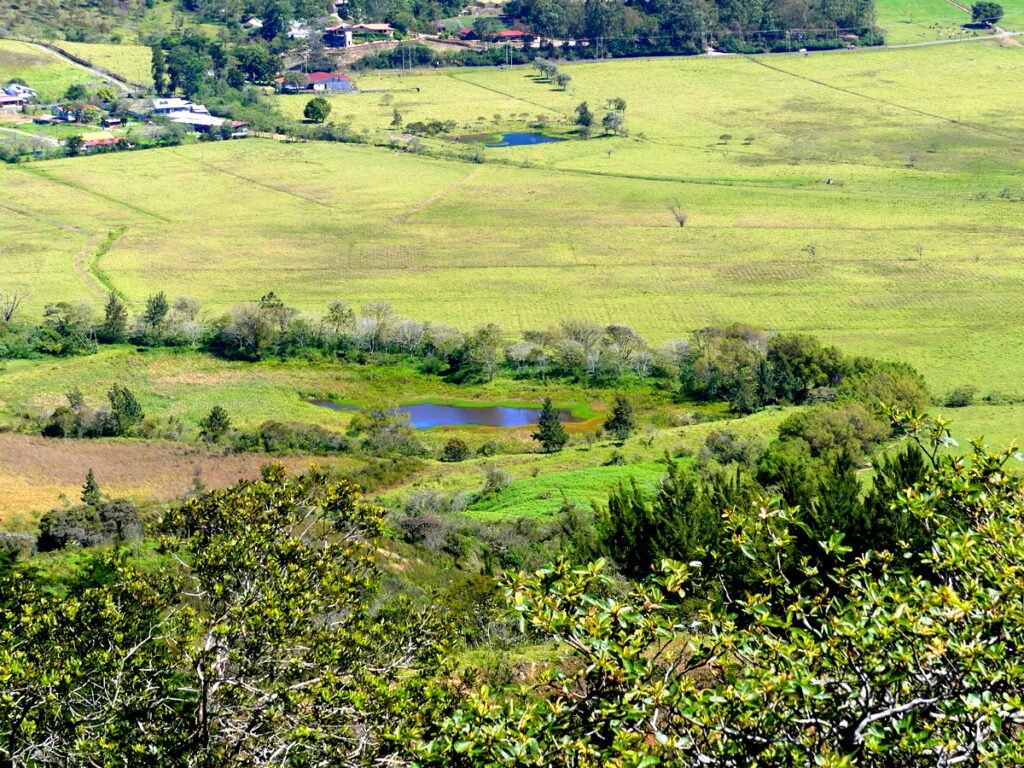
In a significant move for applied conservation, Costa Rica’s National System of Conservation Areas (SINAC) has issued a technical resolution (ACC-SINAC-P-RES-050-2025) officially delimiting 130 hectares of vital wetland in the Coris Valley, Cartago. This declaration provides long-overdue legal recognition to an ecosystem whose immense value lies in its dual function: ensuring water security for the […]
Cold Fronts in Costa Rica: The Science, Origins, and Ecological Impact
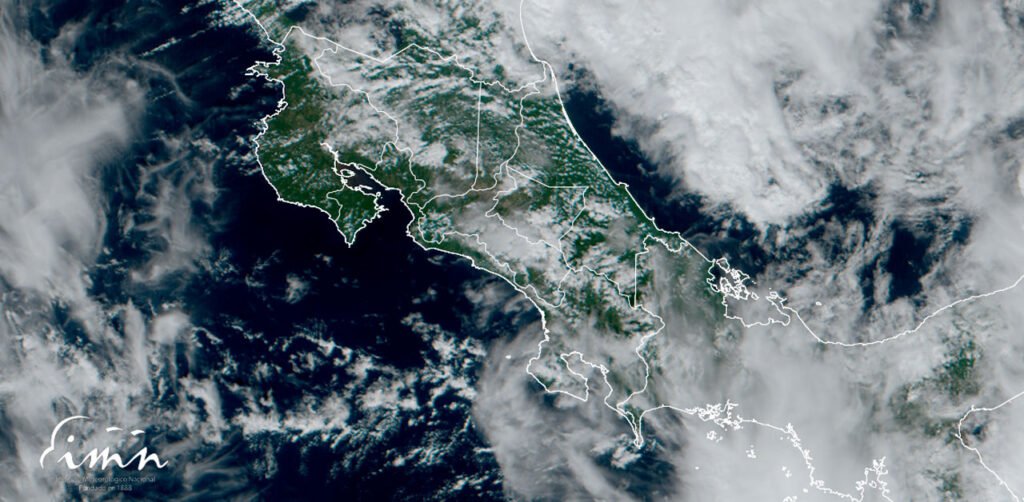
In meteorology, a cold front is formally defined as the leading edge, or boundary, of an advancing mass of cold air. At the surface, this boundary marks a synoptic-scale transition zone where the colder, denser air mass is actively replacing a warmer, less dense air mass. While Costa Rica is a tropical nation defined by […]
The Mud Shield: How Europe is Restoring Wetlands as a Natural Defense Against Russia

In an era defined by the high-tech warfare of drones, hypersonic missiles, and cyber-attacks, a new defensive strategy is emerging along Europe’s eastern flank. It relies not on concrete or steel, but on one of nature’s oldest and most effective barriers: mud. Alarmed by Russian aggression, nations on NATO’s front line are actively restoring strategic […]
A Breath of Fresh Air for the Planet and Its Species: Renewables Overtake Coal as the World’s Top Electricity Source
One of the most important pieces of news for the future of our planet has just been announced: for the first time in history, renewable energy has become the world’s leading source of electricity, surpassing coal, the most polluting fossil fuel. This milestone, confirmed by the International Energy Agency (IEA), marks a turning point in […]
Invasive Species Profile: The Giant African Snail (Lissachatina fulica) in Costa Rica
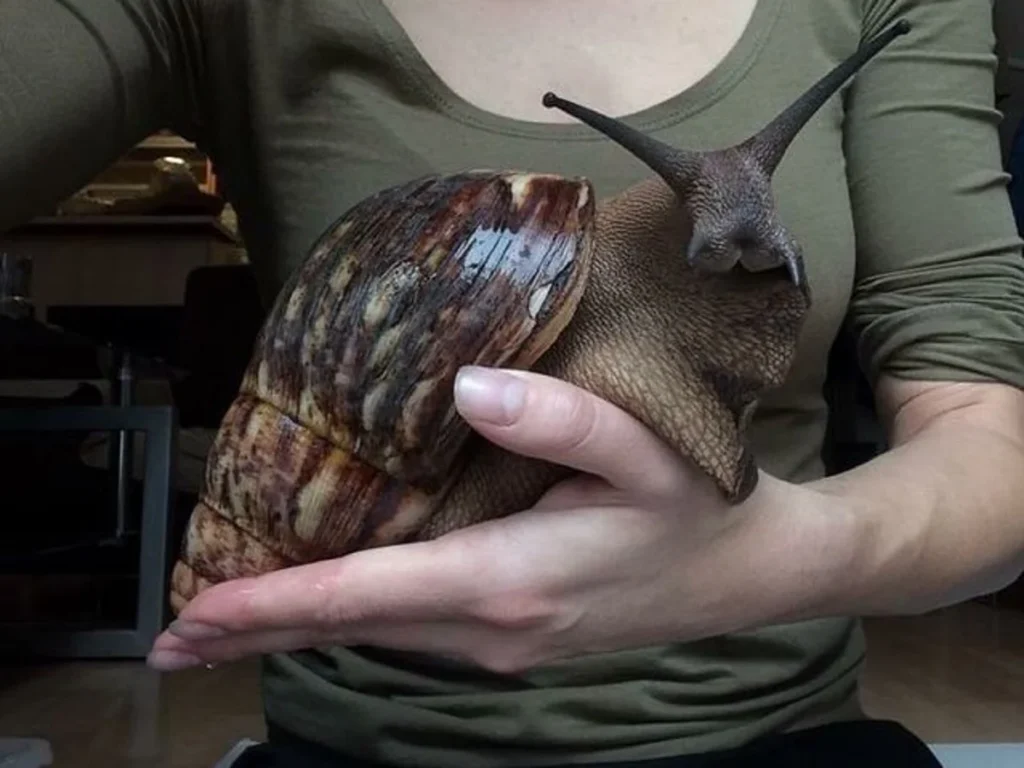
The State Phytosanitary Service (SFE) of Costa Rica has confirmed a new outbreak of the Giant African Snail, Lissachatina fulica, in a residential area of Heredia. This detection is of high scientific and ecological concern as it marks the first confirmed presence of the species within the Central Valley, significantly expanding its known range from […]