Analyzing the 30×30 target and how Costa Rica’s new national strategy will directly impact the jaguar, sea turtles, and our forests.
The planet is facing an extinction emergency. For decades, this crisis has accelerated, driven by habitat loss, climate change, and pollution. Like the climate crisis, this catastrophic loss of biodiversity needed an urgent, unified global action plan.
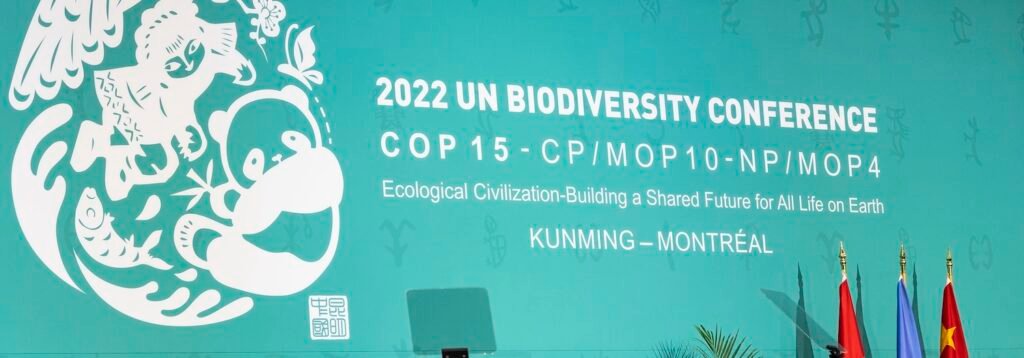
In 2022, the world finally agreed on one.
It’s called the Kunming-Montreal Global Biodiversity Framework (GBF). In simple terms, this is the “Paris Agreement for Nature.” It sets a clear and ambitious vision: to live in harmony with nature by 2050.



But this isn’t just an abstract political dream. It’s a mandatory to-do list with concrete targets for 2030. Right now, the single most important task for Costa Rica is to redesign its entire national conservation strategy to meet this new global plan. We analyze what this means, in practice, for the species you see on this site.
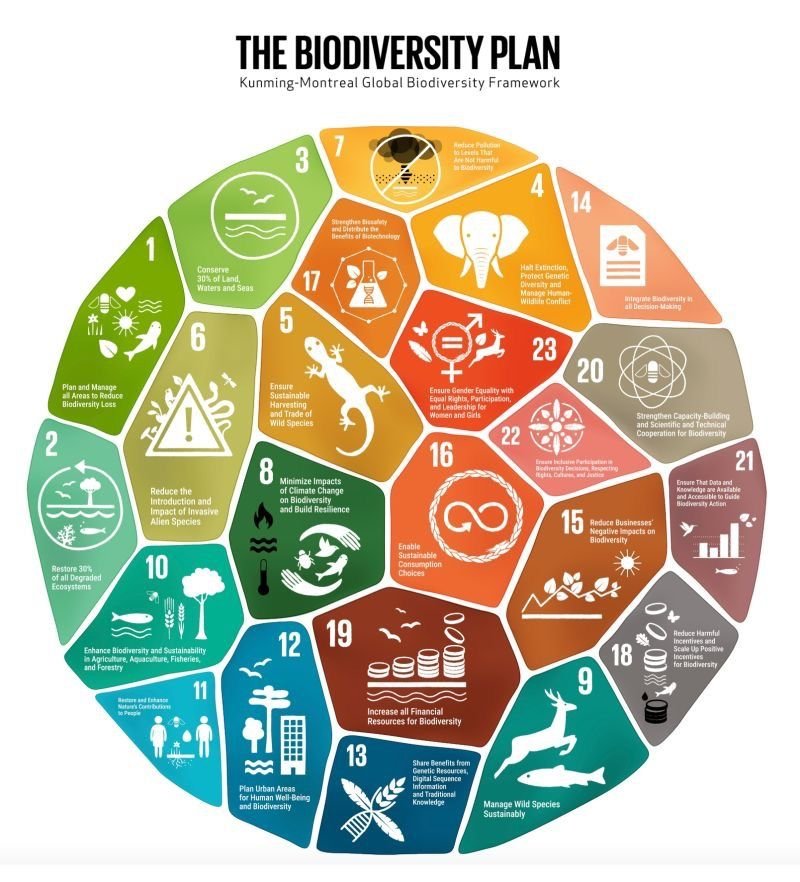
Breaking Down the Plan: The 4 Key Goals You Need to Know
The GBF has 23 targets, but four, in particular, will define the future of conservation in Costa Rica.
- Target 3 (The “30×30” Goal): This is the most famous. It mandates that all countries effectively conserve and manage at least 30% of the world’s land and 30% of its oceans by 2030. As a leader, Costa Rica has already surpassed this goal in marine protection (thanks to the expansion of Cocos Island National Park), but there is work to do on land.
- Target 2 (The 30% Restoration Goal): This ensures that at least 30% of degraded ecosystems (like logged forests, drained wetlands, or dying reefs) are under active restoration by 2030.
- Target 1 (Total Spatial Planning): This is a quiet game-changer. It demands that all national land-use planning (for cities, farms, and industry) must integrate biodiversity conservation to stop the loss of species-rich areas.
- Targets 18 & 19 (The Money): The plan calls for mobilizing $200 billion per year globally for biodiversity and dramatically increasing funding from the private sector.


From Paper to the Rainforest: The Real Impact on Costa Rica’s Species
This is the most important part: how does this high-level policy translate to the animals on the ground?
What 30×30 Means for the Jaguar and the Hammerhead Shark
For terrestrial species, 30×30 in Costa Rica isn’t about creating new parks. It’s about making the existing Biological Corridors functional. Animals like the jaguar and the Baird’s Tapir cannot survive in isolated “islands” like Corcovado or La Amistad. They need these corridors to move, hunt, and maintain genetic diversity. The new national strategy must give these corridors the budget and legal protection they need to function as true wildlife highways.
For the Great Green Macaw , Target 2 (Restoration) is a direct lifeline. Its survival is famously tied to the Mountain Almond tree. This new strategy will provide the framework and funding to actively reforest degraded areas with this specific tree, rebuilding the macaw’s home one branch at a time.
For marine species, Costa Rica has already protected its 30%. Now, the new strategy must define “effective management.” This means more patrols to stop the illegal “long-lining” that threatens hammerhead sharks in Cocos Island. It means protecting the migratory “blue highways” used by sea turtles and humpback whales that travel between protected zones like the Cocos-Galapagos Hope Spot and the Eastern Tropical Pacific Marine Corridor.
Costa Rica’s Most Important Task TODAY
This brings us to the most urgent news. Costa Rica’s current National Biodiversity Strategy (NBS) expires in 2025.
Right now, in 2024 and 2025, the Ministry of Environment (MINAE), SINAC, and the UN Development Programme (UNDP) are in the public consultation process to design the next NBS that will officially adopt these Kunming-Montreal targets.
This is a critical moment. A 2023 UCR survey showed that many Costa Ricans feel the government isn’t committed to conservation. This official consultation process is the single best opportunity for the public, scientists, and NGOs to prove that commitment, influencing the plan and demanding that species protection remains the nation’s top priority.
A Binding Contract with Our Species
The Kunming-Montreal Framework is not just another document from a UN conference; it is a survival tool for our planet’s species. It elevates conservation from “something nice to do” to “something we are globally obligated to do.”
The next decade of conservation in Costa Rica will be defined by the plan being written today. It will determine if the jaguar has room to roam, if the shark has a safe refuge, and if the macaw has a tree to nest in. As lovers of Costa Rica’s species, it is our duty to watch, engage, and ensure this plan is implemented with the courage and innovation that has always defined this nation.