Sowing Water, Reaping Life: How Guanacaste is Transforming Pastures to Save its Species
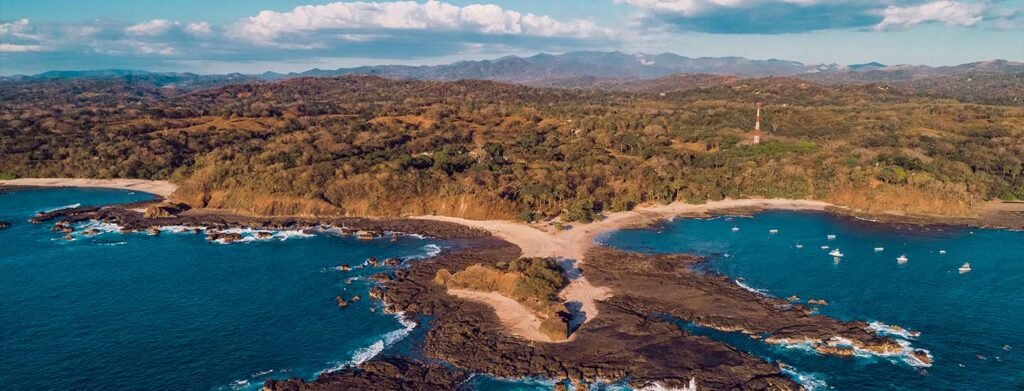
Picture the iconic Guanacaste: a sabanero on horseback under a blistering sun, the roars of howler monkeys echoing from a patch of dry forest. This is the paradox of Costa Rica’s most famous province—a land of profound cultural identity, yet an ecosystem under severe stress from a lack of water. Decades of extensive cattle ranching, while forging a proud heritage, left a deep wound on the land: compacted soils unable to absorb the seasonal rains, leading to a water crisis that threatens both people and wildlife.
But now, a radical and hopeful solution is rising from the communities themselves. It’s a movement to “sow water,” where reforestation is not just an environmental goal, but the primary strategy to secure a hydric future and restore a home for the species of the tropical dry forest.



The Legacy of the Pasture: Why Guanacaste Dried Out
The story of Guanacaste’s water scarcity is written in its landscape. The large-scale conversion of forest to pasture fundamentally altered the natural water cycle. Soil compaction is the main culprit; years of cattle trampling and the absence of deep tree roots turned the earth into a near-impermeable surface. When the rains come, the water sheets off into rivers and streams, causing erosion and flash floods, instead of soaking into the ground.
This loss of the original dry forest habitat had a direct impact on the region’s wildlife. Endemic birds, mammals like the white-tailed deer and coati that rely on forest cover, and amphibians dependent on year-round streams all struggled to survive in a fragmented and desiccated landscape.
The Science of “Sowing Water”: The Forest as a Giant Sponge
The solution is rooted in a simple but powerful ecological principle: forests are the world’s most effective water factories. The process of reforestation works to reverse the damage and recharge the underground aquifers.
- Infiltration: The roots of native trees—like the iconic Guanacaste, Cocobolo, and Cortés Amarillo—act like natural plows. They break apart the hardened soil, creating channels that allow rainwater to filter deep underground.
- The Forest Floor: As trees grow, they shed leaves and branches, creating a rich, spongy layer of organic matter. This natural carpet absorbs incredible amounts of water, holds moisture, and prevents the soil from eroding.
The direct result is the replenishment of the aquifers, the underground reservoirs that feed the springs and streams, ensuring they continue to flow even through the long dry season.


The Comeback of Life: The Species That Win with New Forests
This human solution to a water problem has become the most effective conservation strategy for the region’s wildlife. The revival of the forest is bringing a spectacular return of biodiversity.
- The First to Return (Water Beneficiaries): As streams and springs are reborn, so are the species that depend on them. Amphibian populations, like various tree frogs, are recovering, along with aquatic insects that form the base of the food chain, attracting birds like the Ringed Kingfisher.
- The Dwellers of the Restored Forest: The new forest provides crucial food and shelter. Howler monkeys, white-nosed coatis (pizotes), and agoutis are returning to these reforested patches. The growing diversity of trees also supports emblematic birds of the dry forest, including the Turquoise-browed Motmot and the Long-tailed Manakin.
- Strengthening the Biological Corridor: This initiative is vital for the Potrero-Caimital Biological Corridor. Each reforested farm acts as a “stepping stone” of habitat, connecting larger protected areas and allowing for the safe passage and genetic exchange of wildlife.
The Architects of Change: From Sabaneros to Water Guardians
This powerful transformation is being led by Guanacastecans themselves. It marks a profound cultural shift where cattle ranchers are becoming forest guardians. Community leaders and local water management associations (ASADAs), who are on the front lines of the water crisis, are the primary drivers of this change.
The movement is made viable by sustainable financial models like Costa Rica’s renowned Payment for Ecosystem Services (PES) program and carbon credit markets, proving that conservation can and should be a sound economic activity.
A Resilient Guanacaste for All Its Species
The story unfolding in Guanacaste is a blueprint for nature-based climate adaptation. It demonstrates how solving a critical human need—water security—can become the most powerful engine for ecological restoration. By sowing trees to reap water, these communities are not only ensuring a future for their children but are also guaranteeing the survival of the unique species that define the most endangered tropical dry forest in Mesoamerica.