In the vast, blue expanse of Costa Rica’s Pacific waters, a sanctuary for countless sharks, sea turtles, dolphins, and whales, a historic battle for survival has just been won. The nation’s Constitutional Court (Sala IV) has delivered a landmark ruling, ordering the government to urgently and effectively regulate industrial purse seine tuna fishing—a practice notorious for its devastating impact on marine ecosystems. This decision is far more than a legal document; it’s a critical lifeline for vulnerable species and a giant leap forward in aligning Costa Rica’s actions with its world-renowned “green” identity.
The Problem: What is Purse Seine Fishing and Why is it a “Wall of Death”?
To understand the ruling’s importance, one must first understand the threat. Purse seine fishing employs massive nets, some over a kilometer long, that encircle entire schools of tuna. The bottom of the net is then cinched shut like a drawstring purse, trapping everything inside. This method becomes exponentially more destructive when used with Fish Aggregating Devices (FADs).
FADs, known locally as plantados, are floating objects set adrift to attract fish. While they successfully attract tuna, they also become magnets for an entire universe of other marine life, creating deadly ecological traps. The result is a staggering amount of bycatch—the incidental capture of non-target species. In these operations, it’s common for more than half of the catch to be composed of animals that are simply thrown back into the ocean, often dead or dying.



The Historic Ruling: The Constitution Defends Marine Life
After a long fight led by environmental organizations and federations of artisanal and sport fishers, the Constitutional Court has declared this status quo unconstitutional. The key points of the verdict are:
- The Order: The court has mandated that INCOPESCA (Costa Rica’s Fisheries and Aquaculture Institute) create and enforce science-based regulations for the tuna industry within a strict timeframe.
- The Reason: The ruling argued that the lack of effective regulation violates every citizen’s constitutional right to a healthy and ecologically balanced environment. In essence, the Court affirmed that the nation’s natural treasures are legally protected from destructive commercial practices.
The Species That Won a Breathe
This ruling is a monumental victory for the countless animals who call Costa Rica’s Pacific home. The primary beneficiaries include:
- Sharks: Juvenile silky and hammerhead sharks, which congregate under FADs in huge numbers, will now be safer from indiscriminate capture.
- Sea Turtles: Species like the Olive Ridley and Green Sea Turtle, which often get entangled in the massive nets and drown, have been given a much-needed reprieve.
- Dolphins: While often associated with older fishing methods, dolphins are still harassed, stressed, and sometimes trapped by modern purse seine fleets.
- Billfish: Marlin and sailfish, the foundation of Costa Rica’s sustainable sport fishing tourism industry, were frequently caught as bycatch, threatening local economies.
- Manta Rays: These majestic and intelligent creatures are also drawn to FADs and were among the most helpless victims of the giant nets.
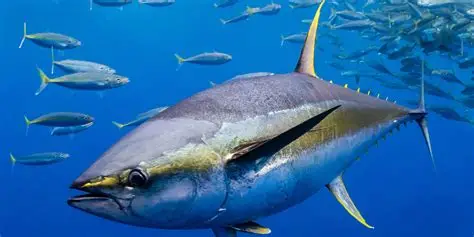
- Juvenile Tuna: The nets are indiscriminate, capturing vast quantities of young yellowfin and other tuna that have not yet had a chance to reproduce, threatening the long-term health of the fishery itself.


What Comes Next? A New Course for Ocean Conservation
This ruling is a game-changer, directly benefiting the local, sustainable fishing sectors that could not compete with the massive international fleets operating in their waters. It powerfully reinforces Costa Rica’s global reputation as a conservation leader, ensuring the “blue” of its oceans is as protected as the “green” of its rainforests.
The fight, however, is not over. The critical next step is vigilance. Environmental groups and citizens must now ensure that the regulations drafted by INCOPESCA are strong, scientifically sound, and rigorously enforced.
The court’s decision has set a new course for marine conservation in Costa Rica. It is a powerful declaration that the immense biodiversity of the nation’s oceans is a treasure to be protected, not a commodity to be squandered. This victory provides real hope that the rich life beneath the waves will thrive for generations to come.