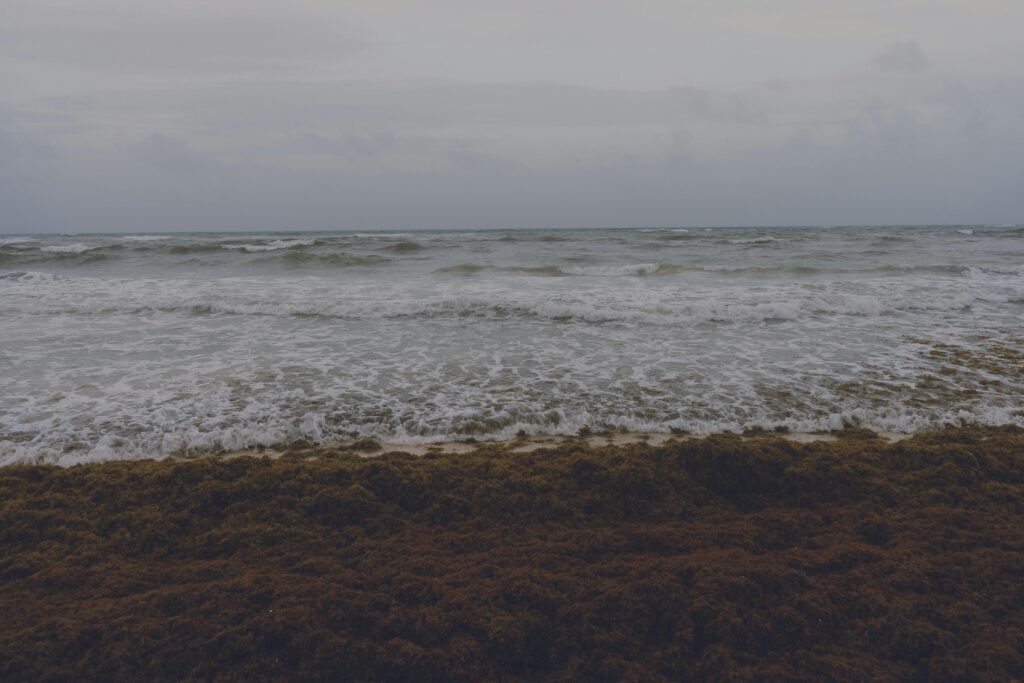
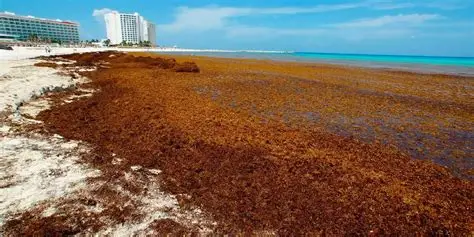
The vibrant turquoise waters and golden sands of Costa Rica’s Caribbean coast, from the tranquil shores of Punta Uva to the rich reefs of Cahuita, are facing an unprecedented ecological threat. For over a decade, massive influxes of sargassum seaweed have been choking the coastline, and with 2025 marking a record-breaking year, this “golden tide” has escalated into a full-blown crisis. But now, a new wave of international cooperation is building as the European Union steps up its partnership with Caribbean nations, offering a glimmer of hope. With the 3rd EU-Caribbean Global Gateway Conference on Sargassum taking place this month, the critical question is: how can this alliance directly benefit the unique species and fragile ecosystems of our Caribbean coast?



The Direct Impact on Costa Rica’s Species
For the wildlife that depends on this coastline, the impact of sargassum is devastating. The sheer volume of the seaweed creates life-threatening obstacles for many of Costa Rica’s iconic species.
- Sea Turtles in Peril: The Caribbean coast is a crucial nesting ground for leatherback, green, and hawksbill sea turtles. The towering walls of sargassum, often several feet high, form impenetrable barriers, preventing females from reaching the beaches to lay their eggs. For the tiny hatchlings that do emerge, the journey to the sea becomes a death trap as they get entangled in the thick mats, exhausted and exposed to predators.
- Asphyxiating Coral Reefs: The reefs of Cahuita National Park, some of the most important in the country, are being suffocated. Massive floating rafts of sargassum block essential sunlight, starving the symbiotic algae (zooxanthellae) that provide corals with food and color, leading to bleaching and death. As the seaweed sinks and decomposes, it consumes oxygen in the water, creating anoxic “dead zones” and releasing hydrogen sulfide, a toxic gas that poisons the entire marine ecosystem.
- Destroying Seagrass Beds: These underwater meadows are vital nurseries for juvenile fish and critical feeding grounds for manatees. Sargassum smothers these delicate habitats, wiping out a foundational pillar of the marine food web.
- Devastating Fish and Fishers: The anoxic zones created by decaying sargassum cause large-scale fish kills. For the artisanal fishing communities that depend on these waters, the seaweed not only depletes their catch but also tangles and damages their nets and boat motors, threatening their livelihoods.


The European Strategy: From Threat to Opportunity
Recognizing the scale of the crisis, the European Union’s approach moves beyond simply funding beach cleanups. Framed within its “Global Gateway” initiative, the strategy focuses on valorization—a transformative concept aimed at turning this environmental problem into a sustainable economic resource.
The key areas of this EU-Caribbean collaboration include:
- Science and Monitoring: Leveraging advanced technology like the EU’s Copernicus satellite system to accurately forecast the arrival of sargassum tides. This allows communities to prepare and deploy resources more effectively.
- Investment in the Bioeconomy: Fostering innovation and creating sustainable value chains from the collected seaweed. Active exploration is underway to convert sargassum into biofuel, organic fertilizers, bioplastics, and even construction materials.
- Knowledge Exchange: Creating a network for nations like Costa Rica to learn from the pilot projects and technological advancements happening in other Caribbean countries, accelerating the adoption of effective solutions.
What This Means for Costa Rica
This international alliance presents a crucial window of opportunity for Costa Rica, particularly for the province of Limón. The partnership can provide the momentum needed to manage the crisis effectively.
By engaging with the EU, Costa Rica can gain access to critical funding for specialized machinery, such as containment booms and collection vessels, and for developing local processing facilities. Furthermore, the focus on valorization could spur a new wave of green entrepreneurship, empowering local communities and cooperatives to create valuable products from a raw material that washes up on their shores. Having already participated in international forums like the French-led initiative at COP28, Costa Rica is well-positioned as a committed and key partner in this regional effort.
A Fight We Cannot Face Alone
The sargassum crisis is a complex, transnational problem fueled by climate change and nutrient pollution, far too large for any single nation to solve. International collaboration is not just helpful; it is essential. The European Union’s initiative offers a promising roadmap, shifting the narrative from overwhelming disaster to sustainable innovation. For the sea turtles, corals, and coastal communities of Costa Rica, this partnership could be the turning point in the fight to protect the irreplaceable biodiversity of our Caribbean paradise.