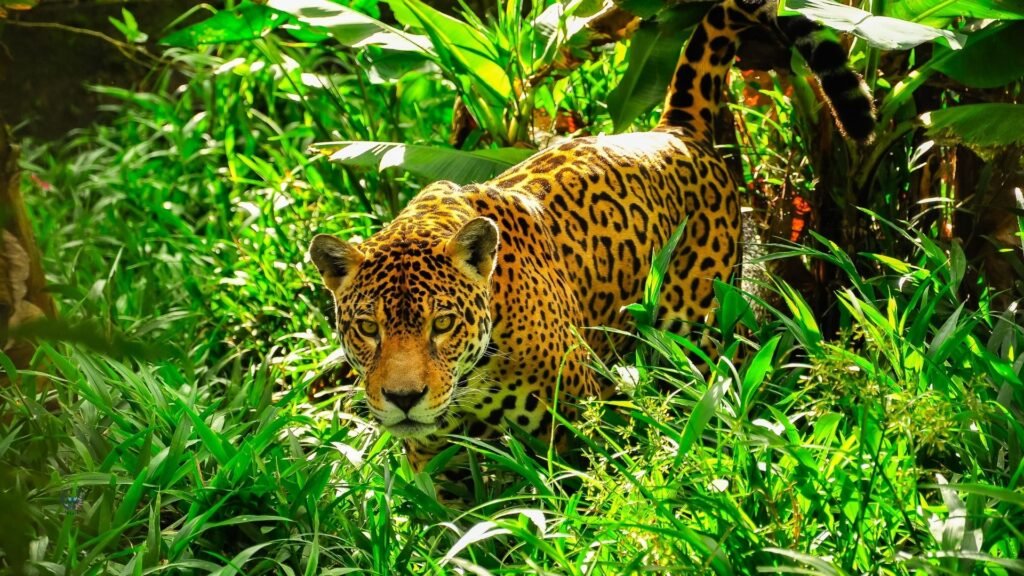
The jaguar (Panthera onca), a symbol of ecological health and a cultural icon throughout the Americas, has long roamed the dense forests and wetlands of Costa Rica. As the continent’s largest feline, it stands as a testament to the wild heart of our nation’s biodiversity. Now, in a landmark move for conservation, 18 countries across the Americas, including Costa Rica, have forged a powerful alliance to protect this magnificent predator, promising a renewed hope for its long-term survival.
This historic agreement represents a crucial, coordinated effort to combat the growing threats against the jaguar. It provides a unified strategy to ensure that the “King of the Americas” continues to thrive from the deserts of Mexico to the wetlands of Argentina.



The Agreement: A Look at the 5 Key Points
The new continental pact was built on five fundamental pillars designed to create a comprehensive and enforceable conservation strategy:
- A Regional Action Plan: Unifying all national efforts under a single, cohesive strategy to protect jaguar populations and their habitats across borders.
- An Intergovernmental Platform: Establishing a governing body to ensure the plan is effectively implemented, monitored, and adapted over time.
- A Poaching and Trafficking Monitoring System: Creating and implementing a robust system to track and combat the illegal killing of jaguars and the trafficking of their parts.
- A CITES Resolution: Proposing a formal resolution at the upcoming Conference of the Parties (CoP20) of CITES, the world’s most important wildlife trade convention, to elevate the jaguar’s international protection status.
- Alignment with the Jaguar Initiative: Integrating this new plan with existing efforts under the Convention on Migratory Species (CMS) to ensure all actions are synergistic and avoid duplication.
Why Now? The Threats Stalking the Jaguar
This urgent, unified action was driven by the severe pressures threatening jaguar populations across their range. The primary challenges include:
- Habitat Loss and Fragmentation: The relentless expansion of agriculture, cattle ranching, and urban development is shrinking and breaking apart the vast territories jaguars need to survive.
- Human-Jaguar Conflict: As human settlements encroach on their habitat, jaguars sometimes prey on livestock, leading to retaliatory killings by ranchers.
- Illegal Poaching and Trafficking: A growing black market for jaguar pelts, fangs, and other body parts continues to fuel illegal hunting.
- Depletion of Prey: The decline in populations of peccaries, deer, and other natural prey species forces jaguars into greater conflict with humans and livestock.


The “Jaguar Roadmap 2030”: The Path to Survival
This new agreement is designed to reinforce and accelerate the existing “Jaguar 2030 Roadmap.” First launched in 2018, this roadmap aims to secure and strengthen the Jaguar Corridor—a network of pathways stretching from Mexico to Argentina that allows the animals to move, hunt, and breed. The plan focuses on four key lines of action: promoting regional coordination, helping develop strong national strategies, encouraging sustainable production practices like jaguar-friendly ranching, and securing long-term financing for conservation.
What Does This Mean for Costa Rica?
For Costa Rica, a nation renowned for its conservation leadership, this agreement is a significant boost. Our country’s active participation reaffirms its commitment to protecting its natural heritage.
This continental plan directly strengthens Costa Rica’s own network of biological corridors, which are essential arteries for wildlife. By ensuring that jaguars can move safely between key protected areas like Corcovado National Park, the Talamanca mountains, and the forests of Guanacaste, the regional strategy helps maintain genetic diversity and healthy populations within our borders.
Furthermore, the agreement will empower national initiatives led by organizations like SINAC (National System of Conservation Areas) and support critical research, including camera trap monitoring projects. Protecting the jaguar has a cascade effect, ensuring the health of entire ecosystems that provide essential resources like clean water and support a thriving ecotourism industry that benefits local communities.
A Hopeful Future
This agreement is more than a political declaration; it is a testament to shared responsibility. By uniting, the nations of the Americas are sending a clear message that the jaguar’s future is a priority. For readers of Costa Rica Species, this news is a powerful reminder that our local conservation efforts are part of a much larger, interconnected movement.
Through continued collaboration, on-the-ground action, and the support of an informed public, we can ensure that the silent, powerful footsteps of the jaguar will continue to echo through our rainforests for generations to come.