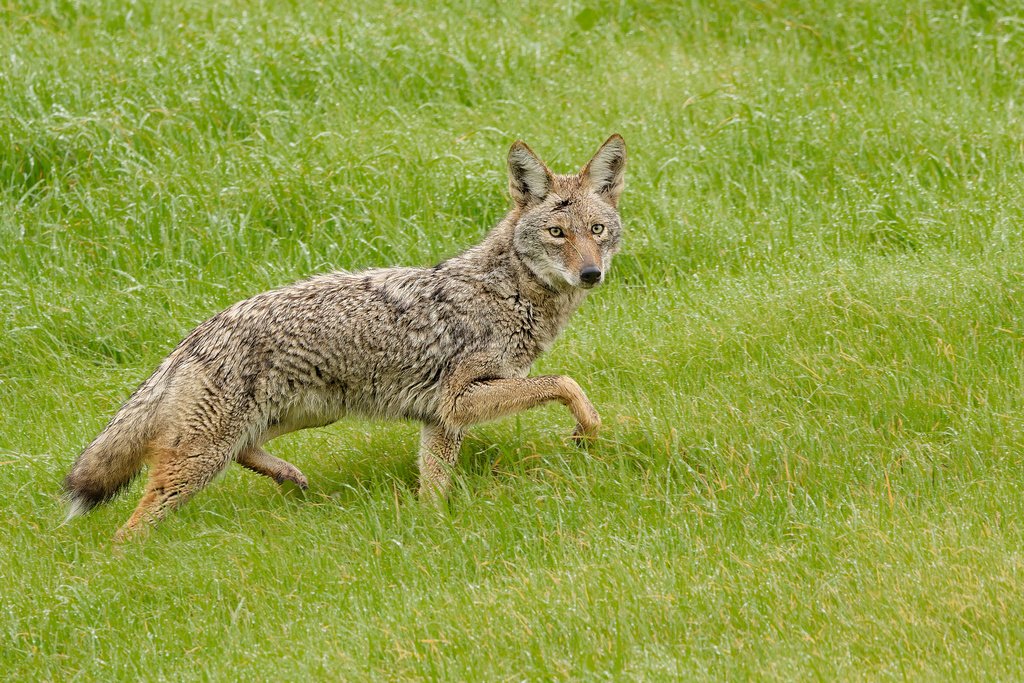
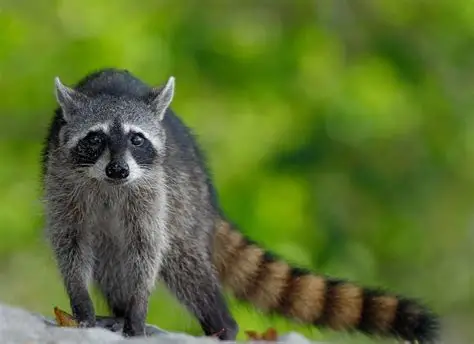
It’s a scene becoming increasingly common in Costa Rica’s bustling Central Valley: the blue glow of a smartphone screen captures a fleeting, ghostly shape trotting across a suburban street in Escazú. It’s not a stray dog, but a coyote. In a Curridabat backyard, a family of raccoons expertly raids a compost bin. High above, a sloth, the very symbol of the nation’s wild places, navigates a tangle of power lines. These are not isolated incidents. A remarkable phenomenon is underway as wildlife is increasingly making its home in the heart of Costa Rica’s Greater Metropolitan Area (GAM), forcing a necessary and complex conversation about coexistence. This is the story of how the asphalt jungle is becoming a real one.



The Urban Census: Who Are Our New Neighbors?
The cast of characters in this new urban drama is surprisingly diverse. While smaller creatures have always been present, medium and large mammals are now being registered with a frequency that astounds residents and scientists alike.
- The Adaptable Opportunist (The Coyote): Having expanded its territory from the mountains, the coyote (Canis latrans) has proven to be a master of adaptation, using the cover of night to navigate residential areas in search of food.
- The Charismatic Thief (The Raccoon): With its clever hands and bold demeanor, the raccoon (Procyon lotor) is perhaps the most visible of the new urbanites, expertly exploiting human resources like trash cans and pet food dishes.
- The Forest Ghost (The White-Tailed Deer): Once unthinkable in the city, the white-tailed deer (Odocoileus virginianus) is now spotted in the larger parks and green fringes of the GAM, a testament to its search for safe corridors.
- The Usual Suspects (Now More Visible): These newcomers join a growing list of more traditional urban wildlife, including opossums (Didelphis marsupialis), two-toed and three-toed sloths, monkeys, and a vibrant array of birds like toucans and parrots, who are all becoming more common sights.
These sightings are most frequent in areas that serve as a bridge between the wild and the urban, such as the hillsides of Escazú, the protected zones around the university campuses, and, most importantly, along the city’s river canyons.

Why Now? The Causes of the Wild “Invasion”
This phenomenon isn’t happening by chance. It’s the result of three powerful, interconnected forces.
- The Push: Urban Sprawl: As Costa Rica’s cities expand, natural habitats are fragmented and reduced. This outward pressure pushes animals from their traditional homes, forcing them to seek refuge and resources elsewhere.
- The Pull: The City as a New Ecosystem: To a wild animal, the city can be an attractive, resource-rich environment. It offers an abundance of easily accessible food from poorly managed trash, fruit trees, and pet bowls. Crucially, it also offers a relative sanctuary with fewer natural predators than the deep forest.
- The Connection: The Green Highways: This is the key to it all. The GAM is crisscrossed by a network of river canyons—like the Tiribí, Torres, and María Aguilar—that act as natural superhighways for fauna. These inter-urban biological corridors allow animals to travel deep into the city matrix, moving from one green patch to another under the cover of the riverbanks and remaining vegetation.
The Inevitable Conflict: Challenges of Coexistence
The growing proximity between humans and wildlife creates a new set of challenges, with significant risks for both sides.
For humans and their property, the main conflicts arise from coyote attacks on small pets, property damage caused by raccoons and coatis, and the potential for traffic accidents involving larger animals like deer.
For wildlife, the city is a minefield of mortal dangers:
- Road collisions are a leading cause of death.
- Electrocution on uninsulated power lines is a constant and gruesome threat, especially for sloths and monkeys who mistake them for vines.
- Attacks by domestic dogs inflict terrible injuries.
- Dependence on human food is detrimental to their health, and intentional or unintentional poisoning is a constant risk.
A Coexistence Handbook: Towards an Urban Pact
Navigating this new reality requires a conscious shift in behavior from both citizens and city planners. A peaceful coexistence is possible, but it demands responsibility.
The Citizen’s Role:
- Do not feed wildlife. This is the golden rule. Feeding them creates dependency, erodes their natural fear of humans, and can lead to aggressive behavior.
- Secure your trash. Use bins with tightly sealed lids to remove the primary food attractant.
- Be a responsible pet owner. Keep cats indoors and supervise dogs, especially at night.
- Drive with caution, especially at dawn and dusk in areas known to be wildlife crossings.
- In an emergency, if you find an injured animal, contact the experts at SINAC (National System of Conservation Areas), the Fire Department, or a certified rescue center.
Institutional Responsibility: City planners and municipalities must fully integrate biodiversity into urban design. This means strengthening and protecting the biological corridors, building more dedicated wildlife crossings (like aerial “sloth bridges” or under-road tunnels), and launching public education campaigns to foster a culture of respect and understanding.
Redefining the “Jungle” in the City
The return of charismatic fauna to Costa Rica’s cities is not a plague to be eradicated. It is a powerful indicator of nature’s incredible resilience and a direct consequence of our own urban footprint. This phenomenon presents a challenge, but also an opportunity to redefine what a city can be. The future of Costa Rica’s urban centers will be defined not just by concrete and commerce, but by our ability to weave the incredible biodiversity that is our national identity into the very fabric of our daily lives.