
The story of life on Earth today is one of striking contrasts. On the one hand, scientists are uncovering hundreds of new species every year, revealing the extraordinary richness that still remains hidden in our forests, oceans, and mountains. On the other hand, climate change, deforestation, pollution, and other human pressures are pushing ecosystems closer to collapse. This paradox—discovery amid decline—defines the current panorama of global biodiversity.
Recent Scientific Discoveries
In early 2024, a deep-sea expedition off the coasts of Chile and Peru revealed more than a hundred new marine species. Using remotely operated vehicles, researchers documented a breathtaking variety of corals, sponges, sea urchins, and other invertebrates living on submarine mountains—ecosystems largely unexplored until now.



In Mexico, the National Autonomous University (UNAM) announced the cataloging of 500 new species over the past four years, highlighting the importance of taxonomic research in one of the world’s most biodiverse nations. These findings underscore that even in a century of global exploration, vast segments of Earth’s biodiversity remain unknown to science.
Highlighted Species
Among the many discoveries, several stand out as emblematic of both scientific progress and the fragility of ecosystems:
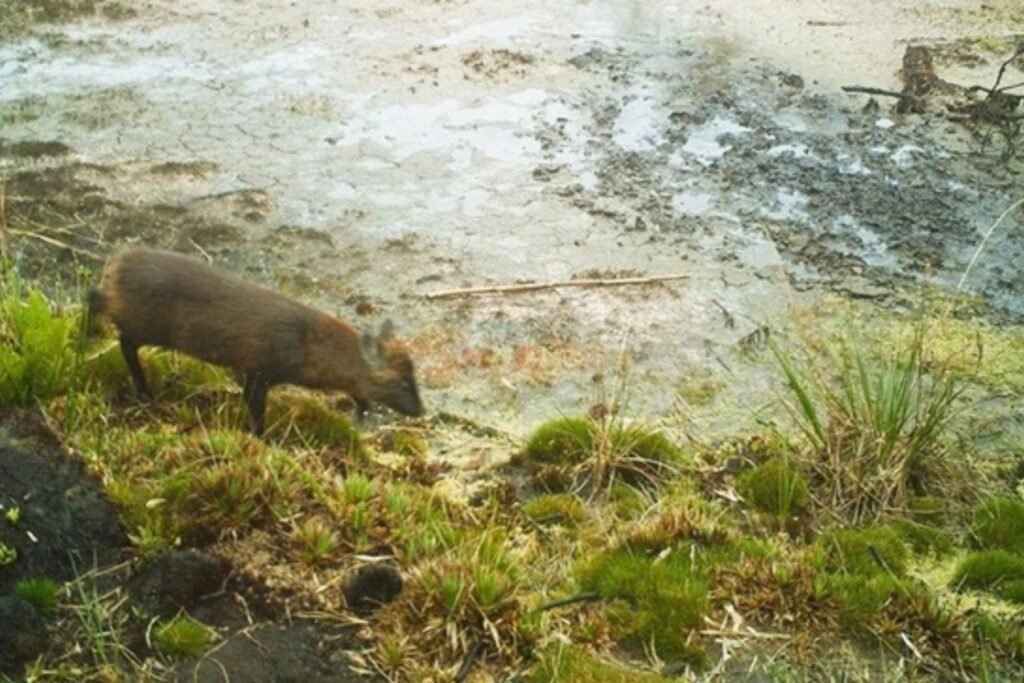
- Pudella carlaeo (Peru): a newly described Andean pudú, or small deer, found in the Yunga forests of northern Peru. This is the first new cervid species identified in the Americas in more than 60 years, a major milestone in mammalian taxonomy.
- Cirrhilabrus finifenmaa (Maldives): a brilliantly colored “fairy wrasse” reef fish distinguished by its pink veil-like patterns, adding to the extraordinary diversity of coral reef fauna.
- Amazon discoveries (Peru’s Alto Mayo): an expedition revealed 27 new species, including mammals, amphibians, and reptiles, within a region under significant human pressure from agriculture and deforestation.
- New plants and trees:
- Ormosia neillii, a tree endemic to Ecuador’s Cordillera del Cóndor, emphasizing the richness of Andean ecosystems.
- A newly described species of Polylepis (queñua) in the Peruvian Andes, a high-altitude genus essential for soil protection and water regulation.


Each of these discoveries enriches our knowledge of the natural world, but they also highlight the urgency of protecting habitats before species are lost to history.
The Contrasting Reality
The triumph of discovery cannot obscure the sobering reality: biodiversity is under siege. Nearly one million species worldwide are threatened with extinction, according to the Intergovernmental Science-Policy Platform on Biodiversity and Ecosystem Services (IPBES). Human activities remain the primary drivers:
- Climate change alters ecosystems faster than species can adapt.
- Deforestation and land-use change destroy habitats, particularly in tropical forests.
- Overexploitation and illegal trade place immense pressure on vulnerable species.
- Pollution and invasive species further destabilize ecological balances.
In places like the Amazon, new species are being described in areas already fragmented by agriculture, meaning that their conservation status is critical even at the moment of discovery.
Conservation Context
The discoveries reinforce the importance of taxonomic research and biodiversity monitoring. Institutions such as UNAM and international expeditions in South America are not only expanding the catalog of life but also shaping conservation strategies.
At the global level, the Kunming–Montreal Global Biodiversity Framework (2022) has set ambitious goals, including reducing extinction rates by tenfold by 2050 and restoring degraded ecosystems. Achieving these targets will require bridging science and policy, ensuring that discoveries translate into protection before species vanish.
The panorama of biodiversity today reveals both wonder and urgency. While scientists celebrate extraordinary new species—from a tiny Andean deer to glowing reef fish—human pressures continue to erode the very ecosystems that sustain them. These contrasting realities demand decisive action: increased investment in biodiversity research, stronger conservation measures, and a global cultural shift toward valuing nature as integral to our future.
If humanity is to ensure that today’s discoveries do not become tomorrow’s extinctions, the pace of conservation must match the pace of exploration.