
Introduction
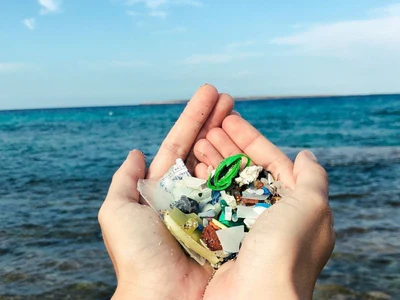
Plastic pollution has emerged as one of the defining environmental crises of the 21st century. While Asia often draws global attention due to massive production and leakage, Latin America and the Caribbean (LAC) presents a different but equally troubling paradox. The region does not generate the highest volumes of plastic waste per capita compared to industrialized nations, yet poor waste management and limited recycling infrastructure mean that nearly half of all municipal solid waste escapes proper control. This failure of systems—not necessarily consumption alone—is driving plastic leakage into rivers, soils, and ultimately the ocean.



A Snapshot of Waste in Latin America
According to the Inter-American Development Bank (IDB) and the Waste Hub for Latin America and the Caribbean, the region generated roughly 230 million tonnes of municipal solid waste (MSW) in 2021, averaging about 360 kilograms per person per year. These figures are lower than in North America or Europe, where annual per capita waste can surpass 600–700 kg.
Yet the problem lies not in quantity but in quality of management. Official data show that:
- 25.6% of MSW was disposed of in inadequate facilities (open dumps or poorly managed sites).
- 15.3% was never collected at all, leaving households and businesses to dispose of it informally.
- 8.7% had no identified final destination.
Together, this means that almost 50% of municipal waste in Latin America either leaks into the environment directly or remains unaccounted for. This lack of traceability is a key driver of plastic pollution, as discarded plastics accumulate in rivers, beaches, and agricultural soils.


Plastic Waste: Moderate Consumption, High Leakage
Compared with other regions, Latin Americans consume less plastic per person. For example, Mexico averages around 48 kg per capita annually, while the broader regional average is closer to 32 kg per capita. By contrast, the United States and many European countries exceed 100 kg per capita annually.
But consumption is not destiny. Despite this relatively moderate generation, the region suffers disproportionately from plastic leakage because its waste systems cannot cope. One peer-reviewed estimate suggests that 17,000 tonnes of plastic waste per day are deposited in open dumps across the region, exposing local communities to fires, toxic smoke, and soil contamination. From these informal sites, plastics are carried by wind and rain into waterways, making LAC one of the most significant contributors to marine litter relative to its overall production.
Why Management Fails
Several structural issues explain this paradox:
- Limited Collection Coverage
Rural and peri-urban areas often lack municipal collection. Waste is burned, buried, or dumped illegally. - Low Recycling Rates
The regional recycling rate for MSW is just 3.85%, with composting at a mere 0.39%. Plastics specifically are recycled at even lower rates. By comparison, the EU averages around 30% recycling for plastics. - Weak Data and Traceability
With nearly 9% of waste destinations “unknown,” governments struggle to quantify or regulate leakage. - Dependence on Informal Recyclers
Millions of waste pickers provide the backbone of recovery in cities like Bogotá, São Paulo, and Mexico City. Yet their work is undervalued and unsupported, leaving recovery fragmented and inefficient.
Case Examples Across the Region
- Brazil: Despite having the largest waste generation in the region, only a fraction of municipalities operate sanitary landfills, and informal dumps remain common in the northeast and Amazon basin.
- Colombia: The country has legalized the role of informal recyclers, but still only recycles about 17% of plastics, with wide disparities between urban and rural areas.
- Mexico: National bans on single-use plastics in Mexico City exist, yet nationwide recycling rates remain below 10%.
- Caribbean islands: Small island states such as the Dominican Republic or Jamaica face unique challenges. Tourism magnifies plastic use, but limited land and infrastructure mean that leakage rates are high relative to population size.
Environmental and Social Impacts
The consequences of mismanaged plastics are severe:
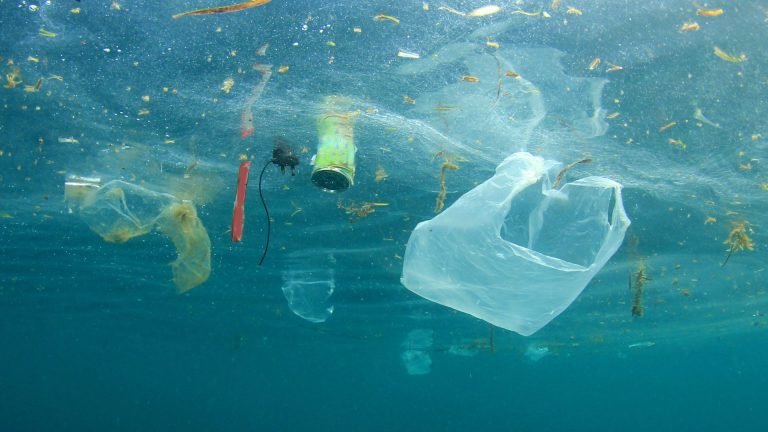
- Marine Pollution: Caribbean islands report some of the highest concentrations of plastic litter in the world, affecting fisheries and tourism.
- Human Health: Burning plastics in informal dumps releases dioxins and other toxic chemicals that disproportionately affect vulnerable populations.
- Climate Change: Organic waste mismanagement produces methane, while plastics contribute through fossil fuel-intensive production and disposal.
- Economic Loss: According to UNEP, the global cost of unmanaged plastics reaches trillions of dollars annually in lost ecosystem services, tourism, and fisheries. LAC’s dependence on coastal economies makes it acutely vulnerable.
Latin America’s “plastic paradox” demonstrates that moderate consumption does not shield societies from severe pollution if waste systems are weak. With nearly half of all waste mismanaged or untracked, the region finds itself at the frontline of plastic leakage despite not being the largest generator. Addressing the issue requires:
- Scaling up formal waste collection to reach rural and underserved communities.
- Expanding recycling infrastructure and ensuring Extended Producer Responsibility (EPR) is enforced.
- Supporting and formalizing the work of informal recyclers.
- Improving data systems to track waste flows and hold municipalities accountable.
The crisis is not only ecological but also social and economic. If Latin America is to avoid drowning in plastics, the priority must shift from banning items alone to strengthening waste governance at every step of the chain.