
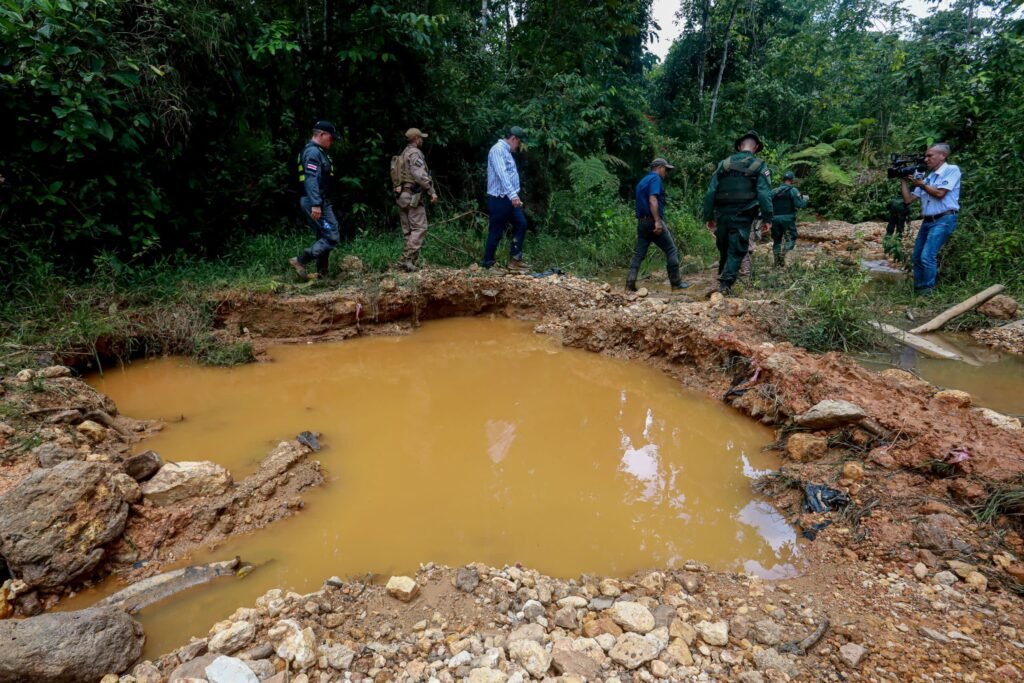
Costa Rica, a nation celebrated globally for its pristine rainforests and progressive environmental policies, is confronting a dark, destructive force operating within its borders: a sophisticated illegal gold mining industry. In a significant strategic shift, the country’s Environmental Prosecutor, José Pablo González, has announced that authorities have successfully identified the high-level “figures” and “sponsors” who finance and profit from this environmental devastation.
This development marks a pivotal moment in the nation’s struggle against an illicit trade that has scarred landscapes, poisoned vital waterways, and exploited vulnerable communities. The focus is no longer just on the men and women panning for gold in the mud, but on the masterminds who orchestrate the destruction from the shadows.



A New Strategy: From the Laborers to the Leaders
For years, the primary response to illegal gold mining has been to target the artisanal miners, known locally as coligalleros. These individuals are often the most visible part of the operation, working in harsh conditions for a fraction of the gold’s value. While arrests were made, this approach proved to be a temporary fix; the coligalleros, many of whom are driven by economic desperation, were easily replaced, and the mining operations would quickly resume.
Prosecutor González’s announcement signals a fundamental change in this approach. The new strategy aims to dismantle the entire criminal enterprise by targeting its core: the financial and logistical backbone. These “sponsors” are the investors who provide the capital for equipment, mercury, and labor. They are the organizers who manage the supply chains and the networks that smuggle the gold out of the country. By focusing on these figures, the Public Ministry seeks to sever the head of the snake, not just trim its tail.
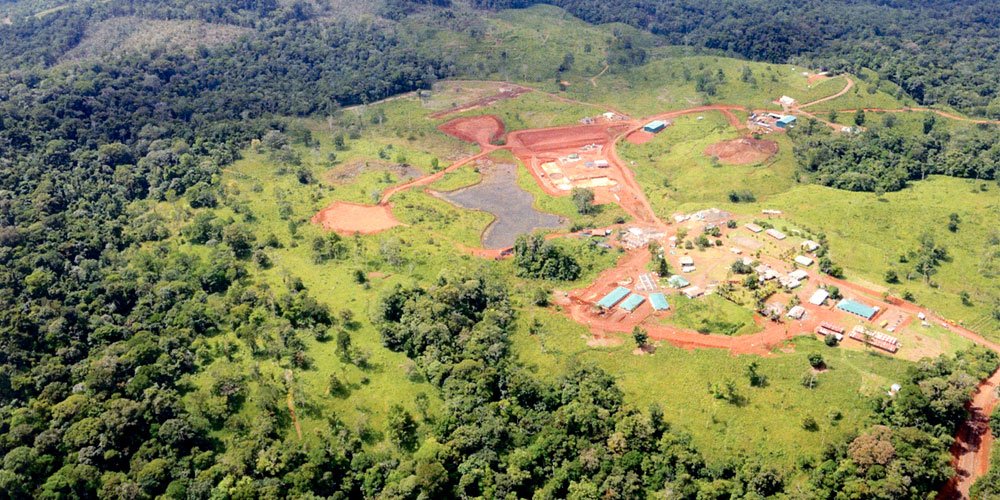
Crucitas: Ground Zero for Environmental Catastrophe
The epicenter of this crisis is located in the country’s Northern Zone, particularly in and around the area of Crucitas in San Carlos, near the Nicaraguan border. This region has been subjected to a relentless assault, transforming once-vibrant ecosystems into toxic wastelands.
The environmental consequences are staggering:
- Massive Deforestation: Large swaths of forest have been cleared to make way for mining pits, leading to soil erosion, habitat loss, and disruption of local biodiversity.
- Mercury Contamination: The primary method for extracting gold involves the use of mercury, a potent neurotoxin. The mercury binds with the gold to form an amalgam, which is then heated to burn off the mercury, leaving the raw gold. This process releases toxic mercury vapor into the atmosphere and, more critically, liquid mercury is washed directly into rivers and streams.
- Poisoned Waterways: Once in the water, mercury enters the food chain. It is consumed by small organisms, which are then eaten by larger fish. As it moves up the food chain, the mercury becomes more concentrated—a process known as biomagnification. This poses a severe threat to wildlife and to human communities downstream that rely on the rivers for drinking water and food. The health effects of mercury poisoning include severe neurological damage, developmental problems in children, and kidney failure.


The Challenge of Prosecution
Identifying these sponsors is a monumental breakthrough, but bringing them to justice presents a formidable challenge. Unlike the coligalleros, these high-level operators are rarely, if ever, present at the mining sites. They operate through complex networks of intermediaries, use front companies to launder money, and meticulously conceal their connection to the environmental crimes being committed on the ground.
Successfully prosecuting a sponsor requires authorities to meticulously trace the flow of money, equipment, and gold through these opaque networks, establishing a clear and undeniable link between the financier and the environmental damage. This is a complex, resource-intensive task that requires sophisticated financial investigation and intelligence gathering.
Despite these hurdles, the identification of these key figures is an indispensable first step. It allows the state to begin targeting the assets of these criminal organizations and to build the complex cases necessary to ensure that those who profit most from this destruction are held accountable. This new focus represents a move toward treating illegal mining not just as an environmental infraction, but as a form of organized crime.