A groundbreaking international study, involving a staggering 100,000 trees across various global sites, has unveiled a crucial insight into forest ecosystems: the diversity of tree species significantly drives tree growth, with this effect being particularly pronounced in humid climates. This research carries significant implications for conservation efforts, reforestation strategies, and our understanding of how forests respond to climate change, especially relevant for biodiversity-rich nations like Costa Rica.
Unpacking the Study’s Core Findings
Led by scientists from the University of Michigan and involving over 30 institutions within the Tree Diversity Network, this comprehensive study challenged conventional wisdom by adopting a novel “tree-centric” approach. Instead of merely assessing the diversity of an entire forest plot, researchers focused on individual trees and the eight closest neighbors surrounding them. This allowed for a detailed analysis of how the immediate neighborhood of a tree influences its growth rate.



The study’s most compelling discovery is the amplified effect of species diversity in wet climates. In regions with ample rainfall, a tree surrounded by a variety of different species consistently exhibited faster and more robust growth compared to a tree with neighbors of its own kind. This phenomenon, known as “complementarity,” suggests that different species utilize resources (like sunlight, water, and nutrients) in distinct ways, allowing them to coexist and collectively thrive more efficiently.
Conversely, in arid or dry climates, the benefits of species diversity on individual tree growth were found to be weak or almost non-existent. In these water-stressed environments, competition for the scarce resource of water appears to be the overriding factor, overshadowing the advantages that diversity might otherwise provide.
The Methodology: A Global Look at Functional Traits
The research meticulously analyzed nearly 100,000 trees from 130 different species across 15 experimental forest sites worldwide. Beyond simply counting species, the scientists delved into “functional traits”—observable characteristics that influence how trees interact with their environment. These included:
- Leaf Area: How efficiently trees capture sunlight for photosynthesis.
- Wood Density: Related to growth rate and structural strength.
- Rooting Depth: Indicating access to water and nutrients at various soil levels.
By examining the diversity of these functional traits among neighboring trees, the study provided a deeper understanding of the mechanisms behind the observed growth patterns.


Implications for Costa Rica and Beyond
For a country like Costa Rica, renowned globally for its incredible biodiversity and lush rainforests, these findings are particularly pertinent.
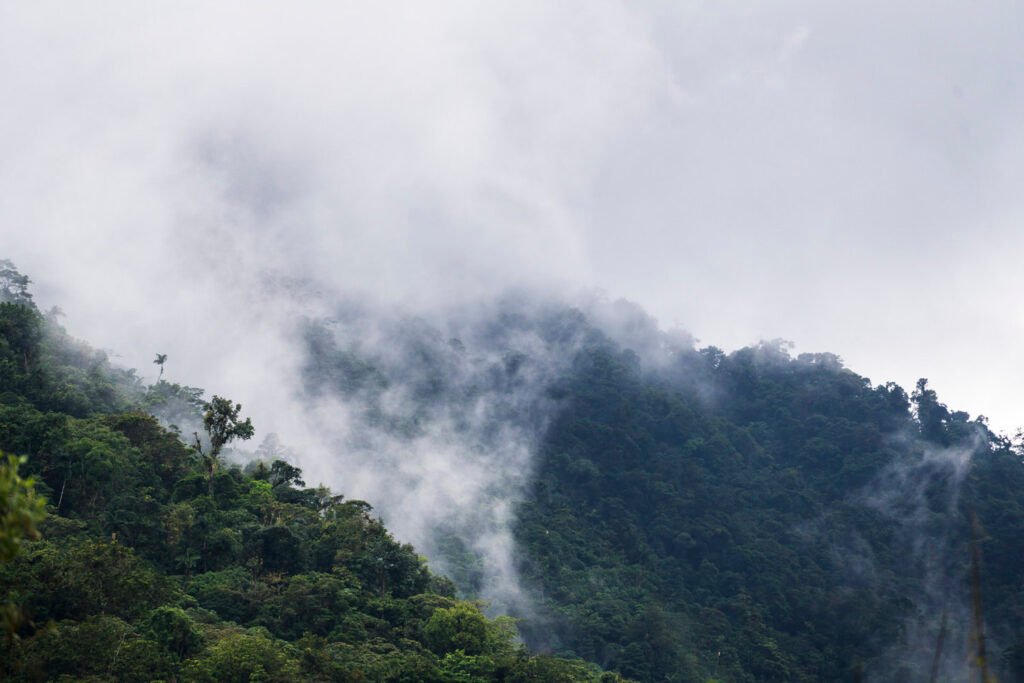
- Smarter Reforestation and Restoration: The study strongly suggests that simply planting trees is not enough. To maximize the success and ecological benefits of reforestation projects, especially within Costa Rica’s humid tropical and cloud forests, planting a diverse mix of native tree species is paramount. This approach accelerates forest growth and enhances their capacity to sequester carbon.
- Climate Change Mitigation: Harnessing the power of tree diversity is a potent nature-based solution for combating climate change. More diverse and faster-growing forests can absorb greater amounts of atmospheric carbon dioxide, contributing significantly to global mitigation efforts.
- Sustainable Forest Management: The research underscores the ecological superiority of mixed forests over monocultures (plantations of a single tree species) in humid environments. This insight can guide sustainable forestry practices, promoting healthier, more productive, and resilient forest ecosystems.
While biodiversity did not appear to offer additional protection during extreme weather events in this particular study, its consistent role as a driver of forest productivity under average climatic conditions is a powerful revelation. This research reaffirms the invaluable role of species diversity in maintaining thriving forest ecosystems and provides actionable strategies for a greener, more sustainable future.