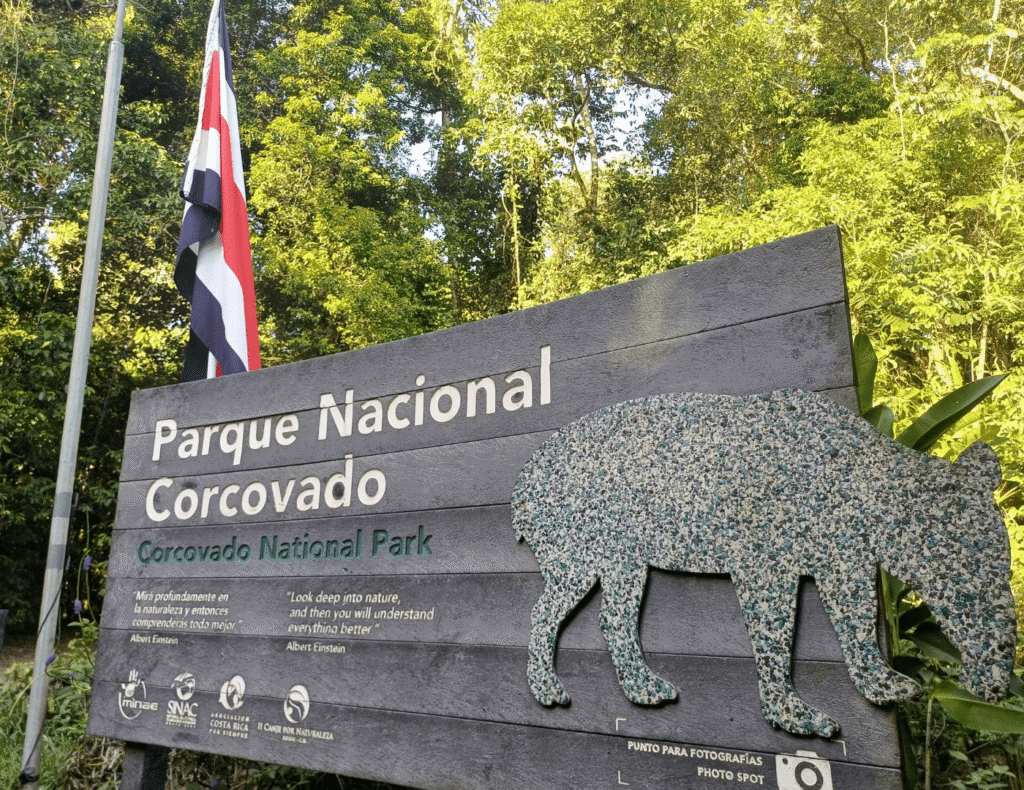
The Constitutional Court has delivered a landmark ruling that resonates throughout the conservation community in Costa Rica and around the world: the decision to increase the number of visitors to Corcovado National Park has been annulled. This judgment is more than just a legal procedure; it is a powerful defense of one of the planet’s most vital ecosystems and a critical reminder of the delicate balance that must exist between tourism and preservation.
Corcovado: The Crown Jewel Under Pressure
To understand the magnitude of this decision, one must first understand Corcovado. Described by National Geographic as “the most biologically intense place on Earth,” this park on the Osa Peninsula is an irreplaceable sanctuary. It harbors 2.5% of the planet’s biodiversity within a relatively small area.



It is home to healthy and endangered populations of species like the jaguar (Panthera onca), the Baird’s tapir (Tapirus bairdii), the white-lipped peccary (Tayassu pecari), and all four of Costa Rica’s monkey species. Its rivers are crucial for the American crocodile (Crocodylus acutus), and its shores are nesting grounds for sea turtles. Any disturbance in this paradise sends ripples throughout the entire trophic web.
The Ruling: Prioritizing the Precautionary Principle
The Court’s decision stems from a constitutional appeal (recurso de amparo) arguing that increasing visitation without adequate technical studies violated the constitutional right to a healthy and ecologically balanced environment.
The magistrates based their ruling on the precautionary principle, a cornerstone of environmental law. This principle dictates that when there is a lack of scientific certainty about the potential harm of an action, the choice must be to protect the environment. In this case, the court determined there was insufficient evidence to guarantee that a larger number of people would not cause irreversible damage to the park. The Court warned of the risk of a “chaotic situation” that would exceed the ecosystem’s carrying capacity.


The Hidden Impacts of Mass Tourism
For the readers of Costa Rica Species, the risks are clear and alarming. An uncontrolled increase in visitors in Corcovado means more than just crowded trails; it also entails:
- Soil Erosion and Compaction: More foot traffic degrades trails, altering natural drainage and affecting vegetation and soil microorganisms.
- Pollution and Waste: Despite regulations, a higher volume of people inevitably generates more trash and places greater pressure on wastewater treatment systems, threatening the purity of the park’s rivers.
- Wildlife Stress and Disturbance: Sensitive species such as felines, tapirs, and peccaries are extremely susceptible to human presence. Constant noise and movement can alter their hunting, feeding, and breeding patterns, forcing them out of their vital territories.
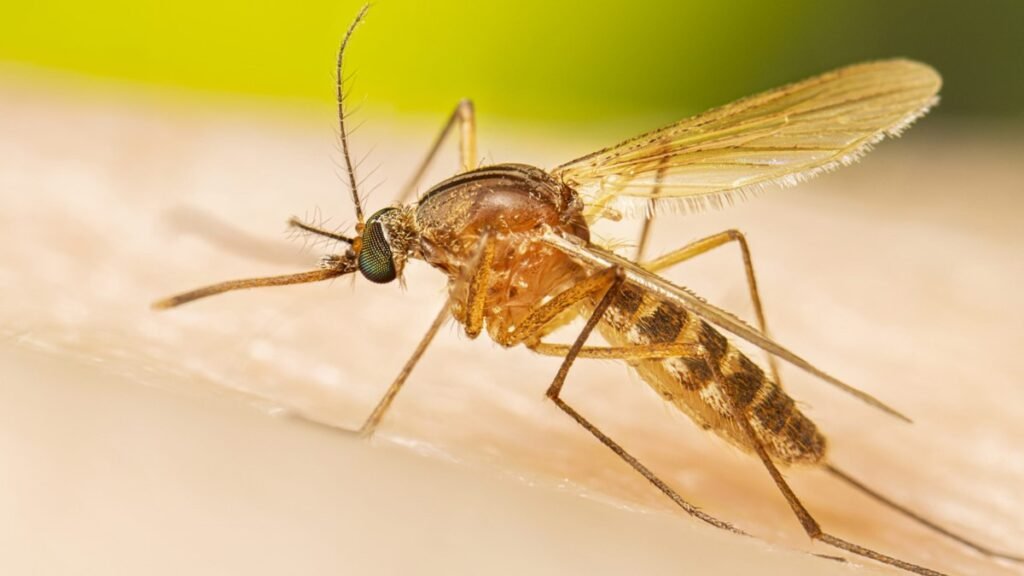
- Risk of Pathogen Introduction: Humans can act as vectors for diseases that could devastate wildlife populations lacking natural defenses against them.
A National Debate: What Does “Sustainable Tourism” Truly Mean?
This ruling reignites the debate over Costa Rica’s development model. While ecotourism has been fundamental in funding conservation, the Court’s decision underscores that there must be limits. It challenges the “more is better” mentality and compels authorities like SINAC (National System of Conservation Areas) to prioritize science-based management over short-term economic pressures.
The annulment of the visitor increase in Corcovado is a victory for those who advocate for low-impact tourism—tourism that educates the visitor and whose benefits directly support the protection of the very resource that makes it possible. It is a reminder that Costa Rica’s true wealth is not counted in dollars alone, but in the health and integrity of its unique ecosystems.