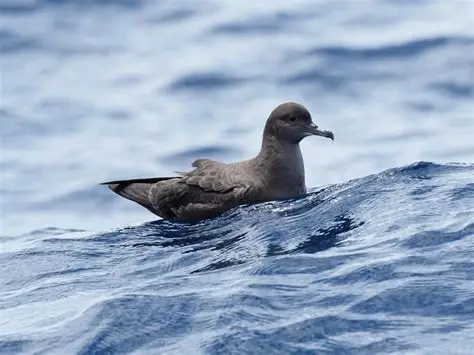



Costa Rica is a name synonymous with extraordinary birdlife. For decades, birdwatchers from around the globe have flocked to its rainforests, cloud forests, and coastlines to witness a dazzling array of over 900 avian species. Now, that prestigious list has officially grown. In a recent announcement that has excited the ornithological community, researchers have confirmed the first-ever official sighting of a new seabird species within the nation’s marine territory.
The landmark discovery was made in February 2025 by the dedicated team behind the University of Costa Rica’s (UCR) “Plumas Marinas” (Marine Feathers) project. This new registration is more than just another number; it is a testament to the country’s incredible, and still unfolding, biodiversity.
The “Plumas Marinas” Project: Charting Oceanic Journeys
The “Plumas Marinas” project is an ambitious initiative designed to unravel the mysteries of long-distance migratory seabirds. These incredible ocean wanderers undertake some of the most arduous journeys on the planet, crossing vast expanses of open water. The UCR’s research team focuses on tracking these birds, some of which travel from as far as the coasts of North America, the remote islands of Hawaii, and even New Zealand and Chile.
Using advanced tracking technology and meticulous field observation, the project aims to understand their migratory routes, behaviors, and the critical habitats they rely on. It was during one of these systematic surveys that the new, yet-to-be-publicly-named species was identified and officially documented, providing a rare and invaluable data point in the study of marine bird distribution.
A Vital Safe Harbor in the Vast Pacific
This discovery does more than just enrich the national bird list; it casts a spotlight on the critical importance of Costa Rica’s marine ecosystems. The nation’s Pacific waters, particularly the protected areas around Cocos Island National Park and other marine corridors, are not empty stretches of ocean. As this finding proves, they serve as vital stopover points, feeding grounds, and navigational landmarks for countless seabirds.
For these transcontinental travelers, finding a safe harbor with abundant food is a matter of survival. The health of Costa Rica’s marine territories—its fish stocks, plankton levels, and overall ecosystem balance—directly impacts global avian populations. The presence of this new species suggests that the country’s conservation efforts are supporting a healthy marine environment capable of sustaining even unexpected visitors.
This continuous stream of discoveries is a powerful reminder that Costa Rica remains a living laboratory. Each new species, whether a humble shrub or a wide-ranging seabird, deepens our understanding of the intricate web of life and strengthens the urgent call for its conservation. As researchers continue to scan the skies and seas, the question isn’t if more discoveries will be made, but when.