Papaturro

Coccoloba williamsii Standl., 1936

Also known / common namesPapaturro; Papaturro de río

Papaturro(s) General Description

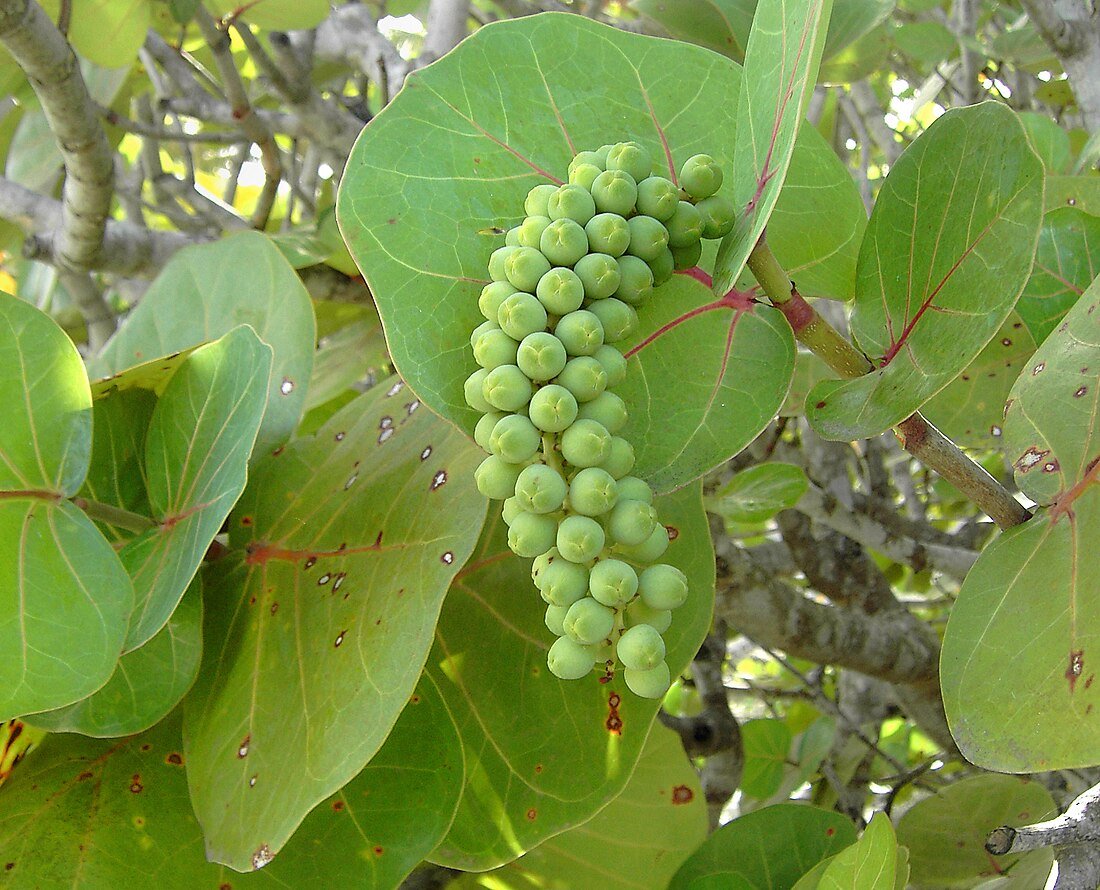
Árbol siempreverde de 7–10 m (ocasionalmente mayor), copa densa; tronco simple o multífido de corteza gris-parda con lenticelas. Hojas alternas en espiral, el pecíolo nace en la base de la ócrea; pecíolo (–0.5) 1.2–2.6(–3.5) cm; lámina coriácea, elíptica a suborbicular, margen entero, ápice con leve goteador; venación secundaria prominente en el envés. Inflorescencias muy elongadas y multifloras; flores pequeñas, verdosas-cremosas, fragantes. Plantas funcionalmente dioicas o con sexos separados (como es frecuente en Coccoloba). Fruto: aquenio rodeado por perianto carnoso acrescente, comestible y astringente; racimos colgantes que recuerdan uvas. Inflorescencias masculinas 7–33.5 cm; ráquis y brácteas densamente puberulentos.

Has Sexual Diamorphism?

LIFE‑HISTORY & VITAL STATISTICS OF THE Papaturro(S)

Average Height / Length / Diameter

Average Adult Weight / Mass

Typical Lifespan / Longevity

Typical Lifespan / Longevity for males

Typical Lifespan / Longevity for Females

Age at Sexual Maturity

Breading Season

Gestation

Reproductive Outcome

Ecology and Behaviour for Papaturro(s)

Árbol siempreverde de 7–10 m (ocasionalmente mayor), copa densa; tronco simple o multífido de corteza gris-parda con lenticelas. Hojas alternas en espiral, el pecíolo nace en la base de la ócrea; pecíolo (–0.5) 1.2–2.6(–3.5) cm; lámina coriácea, elíptica a suborbicular, margen entero, ápice con leve goteador; venación secundaria prominente en el envés. Inflorescencias muy elongadas y multifloras; flores pequeñas, verdosas-cremosas, fragantes. Plantas funcionalmente dioicas o con sexos separados (como es frecuente en Coccoloba). Fruto: aquenio rodeado por perianto carnoso acrescente, comestible y astringente; racimos colgantes que recuerdan uvas. Inflorescencias masculinas 7–33.5 cm; ráquis y brácteas densamente puberulentos.

Habitat

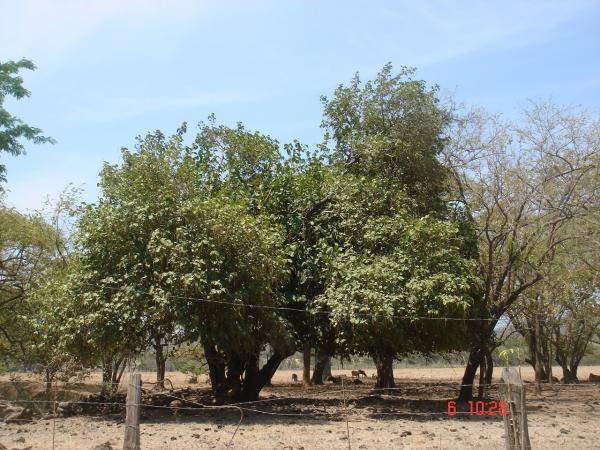
Riparian forest and floodplains of the Central Pacific lowlands (Parrita, Puntarenas); also used as live fences and shade trees in pastures. Tolerates seasonally waterlogged alluvial soils.

Trophic Chain

Primary producer; zoocoric fruits (birds, other frugivores) and melittophilous flowers that attract butterflies, bumblebees, bees, and wasps.

Interespecies relationships noted for Papaturro

Mutualism +/+

Pollinators (butterflies, bumblebees, bees, wasps) obtain nectar/pollen; tree gains pollination (May–Jun & Dec blooms).

Symbiosis +/+

Likely mycorrhizal associations enhance nutrient uptake in alluvial soils; fungi gain carbon (inferred for the genus/family).

Commensalism +/0

Epiphytes and lianas use its trunk/canopy as substrate; tree largely unaffected under moderate loads. (General riparian forest dynamic.)

Inquilinism +/0

Birds nesting in the dense crown benefit from structure/shade; minimal cost to the tree. (Observed broadly in live-fence trees.)

Phoresy +/0

Seeds may be incidentally transported in mud on hooves/boots, aiding dispersal; vector unaffected. (General riparian scenario.)

Tanatocresis +/0

Dead wood provides habitat for detritivores and cavity nesters; tree already dead.

Parasitism -/0

Fungal pathogens and sap-sucking hemipterans can reduce vigor; species-specific data deficient.

Predation (Herbivory) (Herbivory) + / – (for dispersers + / tree –)

Birds and mammals consume the fleshy perianth; damage to tissues offset by seed dispersal along rivers.

Amensalism 0/-

Dense shade beneath adult trees can suppress seedlings of other species in narrow riparian strips.

Competition -/-

Competes with grasses/invasive shrubs in disturbed banks; altered flows can favor heliophiles over saplings.

Social behaviour of Papaturro

Not applicable (plant). Perennial riparian tree frequently planted as live fence/shade; resprouts well after pruning and coppicing

Distribution and Sighthings ofPapaturro(s) in Costa Rica

General Regions of Costa Rica where to find Papaturros

Tropical
Tropical Rain Forest

National Parks and Reserves of Costa Rica where to find Papaturros

Best Time to seePapaturro(s) in Costa Rica

Dry Season
January
February
March
April
June
July
August
September
October
November
December

Media

Videos

Sounds and calls

Taxonomy

Conservation Status

Status IUCN

Threats

⚠️Riparian alteration (channelization, gravel extraction, agricultural expansion) reducing recruitment on floodplains.
⚠️Removal of live fences/shade trees in the Central Pacific landscape.
⚠️Taxonomic and distributional knowledge gaps leading to misidentification with similar “papaturros” and limited management attention.
Fun Facts

  • First Mesoamerican and Costa Rican record was published in 2024, extending the known range from Colombia and Peru.

  • The tree is used locally as live fences and cattle shade; its fruits are edible and attract diverse birds.

  • Two individuals have been planted in La Sabana Metropolitan Park as ornamentals.

Origins & Record

Origin Status

Native

Population trend

Added by

Reviewed by

More Species