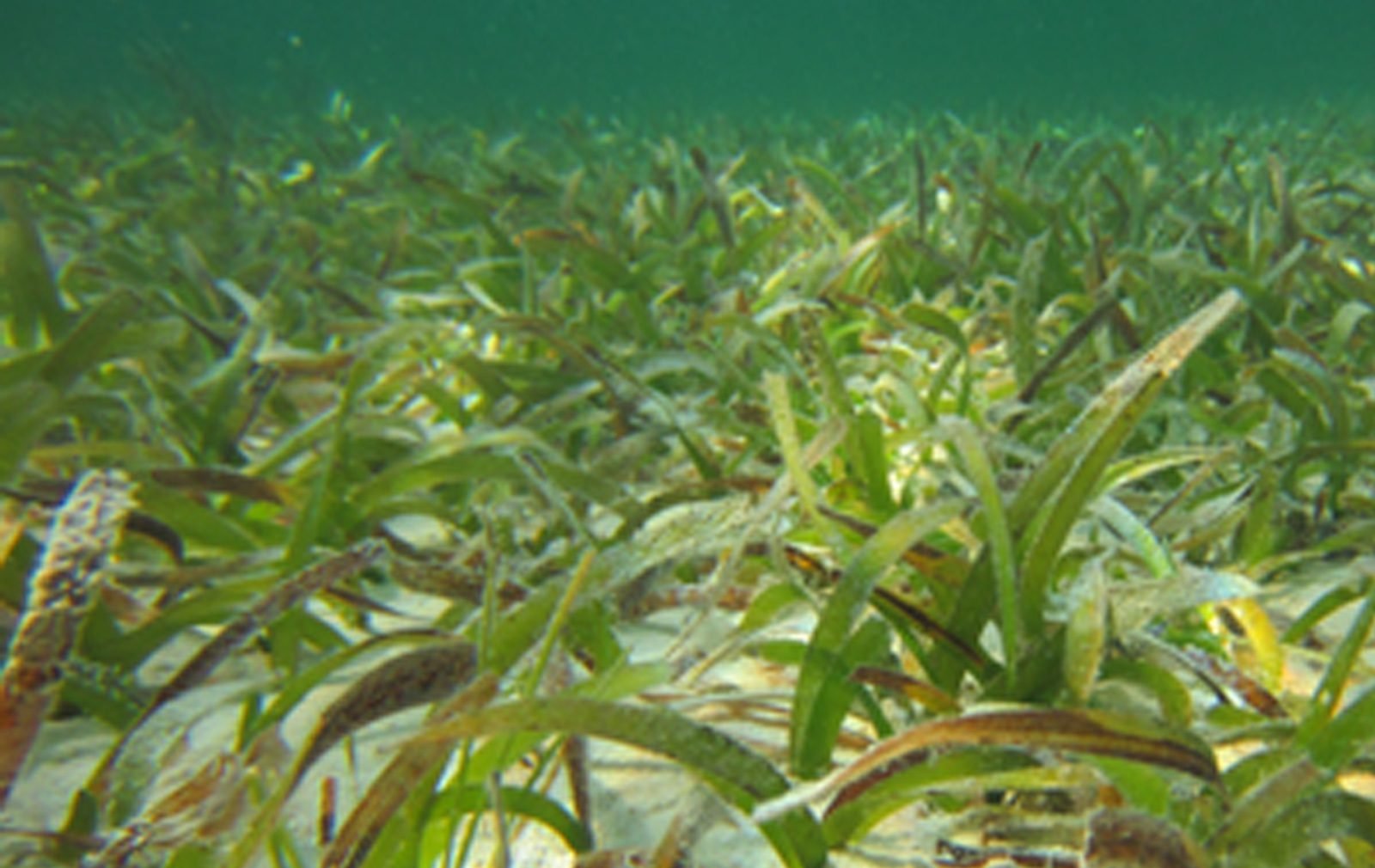
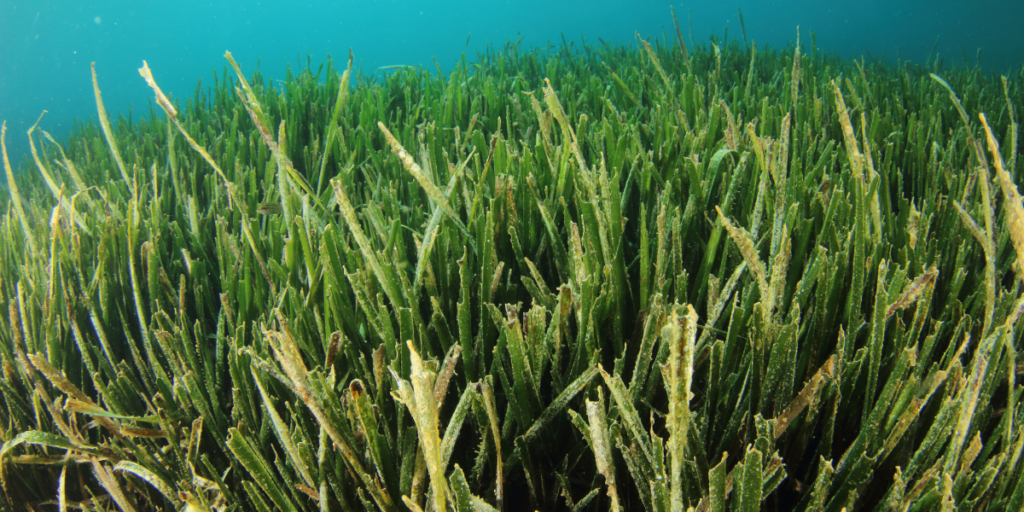
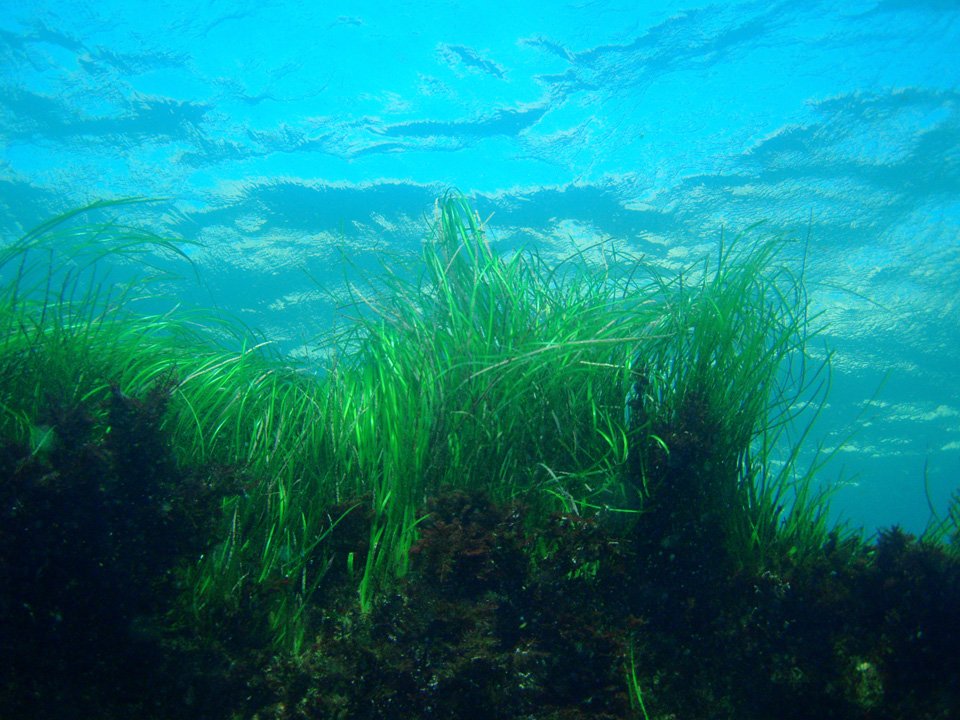
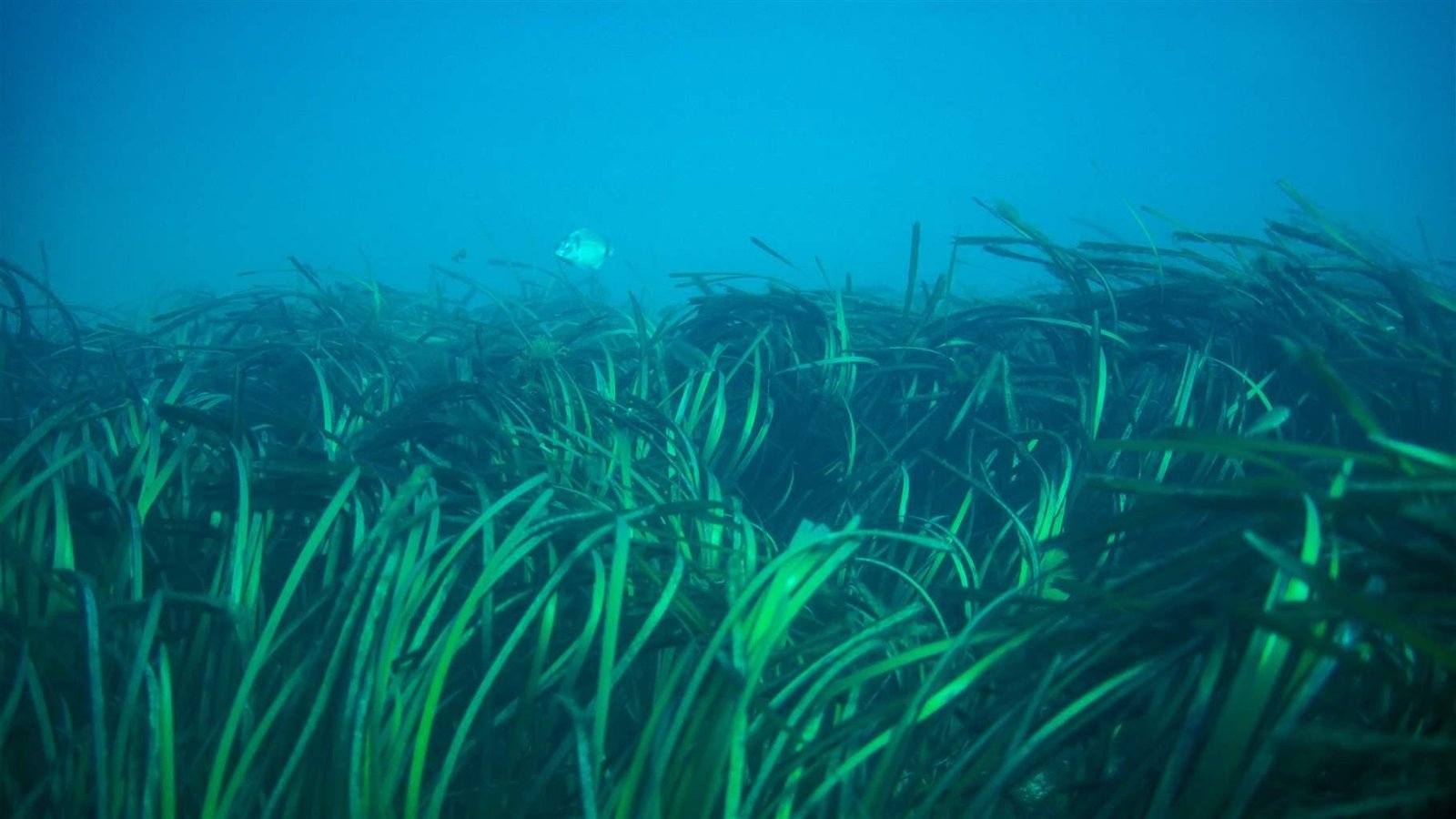
Seagrass beds are shallow coastal ecosystems dominated by rooted, flowering marine plants adapted to saline, underwater environments. In Costa Rica, they are mostly found in calm, shallow waters along the Caribbean coast and in some Pacific bays such as Golfo Dulce. These ecosystems play a crucial role in stabilizing sediments, cycling nutrients, and supporting diverse marine life. They provide essential nursery grounds for fish and invertebrates, feeding areas for sea turtles and manatees, and contribute significantly to carbon sequestration in marine environments.
Threats for Seagrass Beds
Ecosystem Type
Ecosystem classification is a way of organizing the Earth’s living environments into distinct groups based on shared characteristics like climate, vegetation, soils and topography. By grouping similar habitats—say tropical rainforests, mangroves or dry forests—scientists and land managers can compare ecological processes, conservation needs and resource uses more effectively.
Type: Marine benthic ecosystem
Holdridge live zone: Not part of the terrestrial Holdridge system; adjacent to Tropical Wet Forests and Coastal Mangroves
Avarage Altitude: Sea level, typically 0–5 meters deep
Accesibility: Moderate (accessible by snorkel or kayak tours in calm waters)
Best Season to visitSeagrass Beds
February to April (dry season ensures better visibility and lower turbidity)
Comments and notes
Seagrass beds are blue carbon ecosystems, storing more carbon per hectare than tropical forests. They are essential for the survival of juvenile marine life and as grazing zones for iconic species. Conservation of these habitats is linked closely to the health of coral reefs, mangroves, and local fisheries.
Remarcable Fauna in Seagrass Beds
No data was found
Remarcable Florga in Seagrass Beds
Remarcable Fungi in Seagrass Beds
Ecosystem Type
Ecosystem classification is a way of organizing the Earth’s living environments into distinct groups based on shared characteristics like climate, vegetation, soils and topography. By grouping similar habitats—say tropical rainforests, mangroves or dry forests—scientists and land managers can compare ecological processes, conservation needs and resource uses more effectively.
Type: Marine benthic ecosystem
Holdridge live zone: Not part of the terrestrial Holdridge system; adjacent to Tropical Wet Forests and Coastal Mangroves
Avarage Altitude: Sea level, typically 0–5 meters deep