



Veiled Lady Mushroom

Phallus indusiatus (Vent.) Vent., 1798 (≡ Dictyophora indusiata)

Also known / common namesSpanish – Hongo dama velada, Hongo con velo; Chinese – Zhú‑sūn (竹荪); Bribri – Dö̀‑kö; Cabécar – Pöröm

Veiled Lady Mushroom(s) General Description

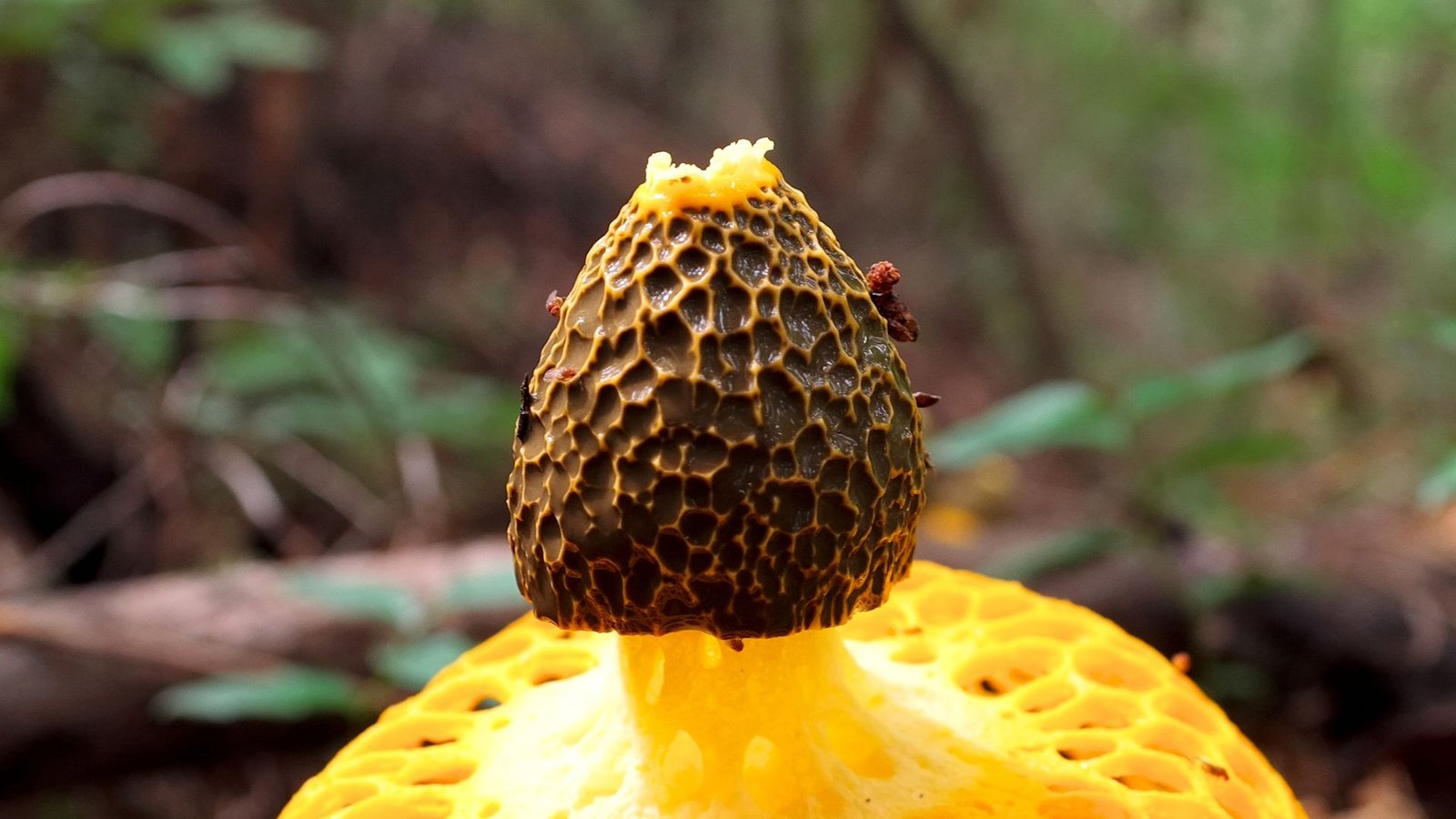
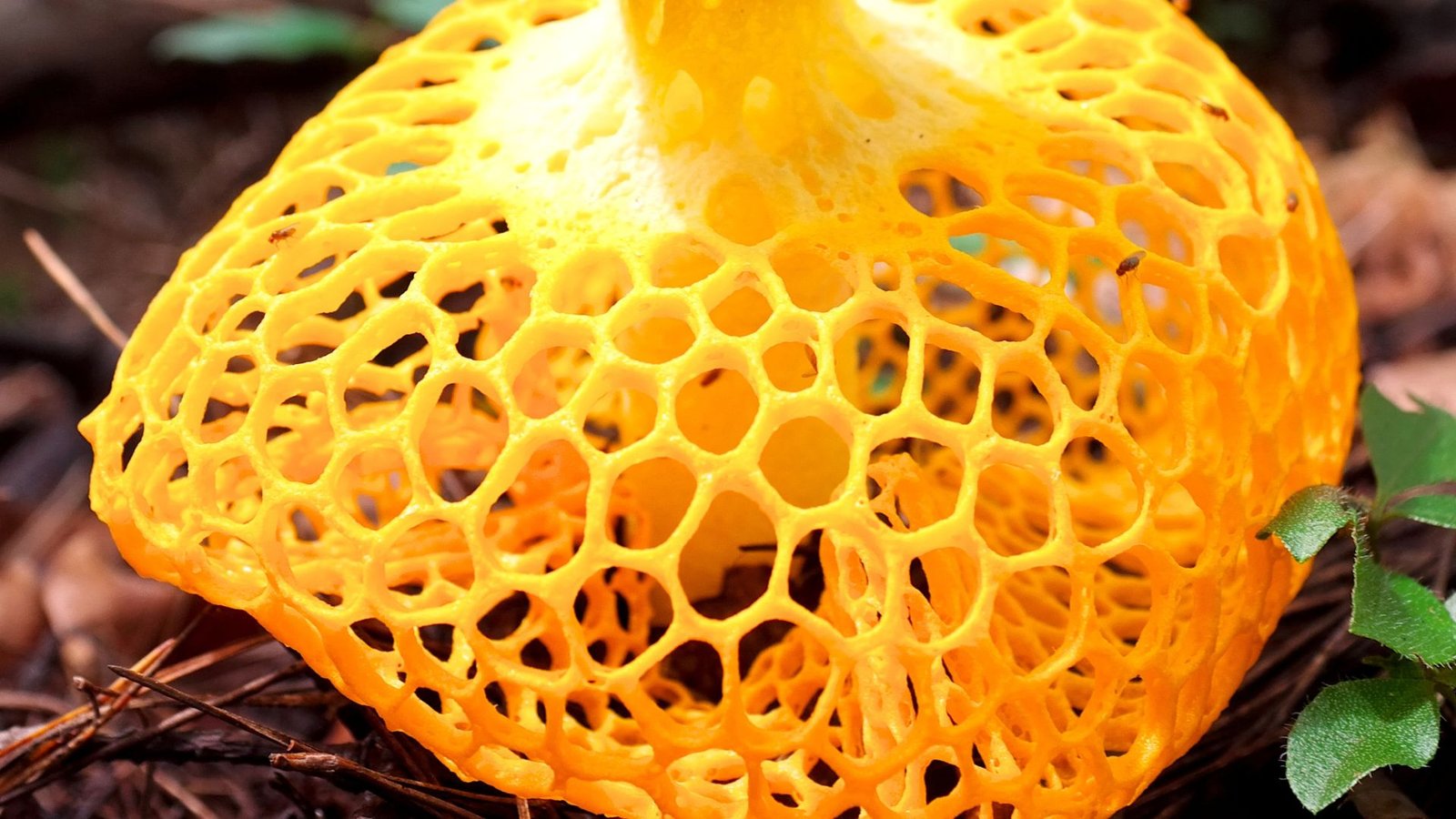
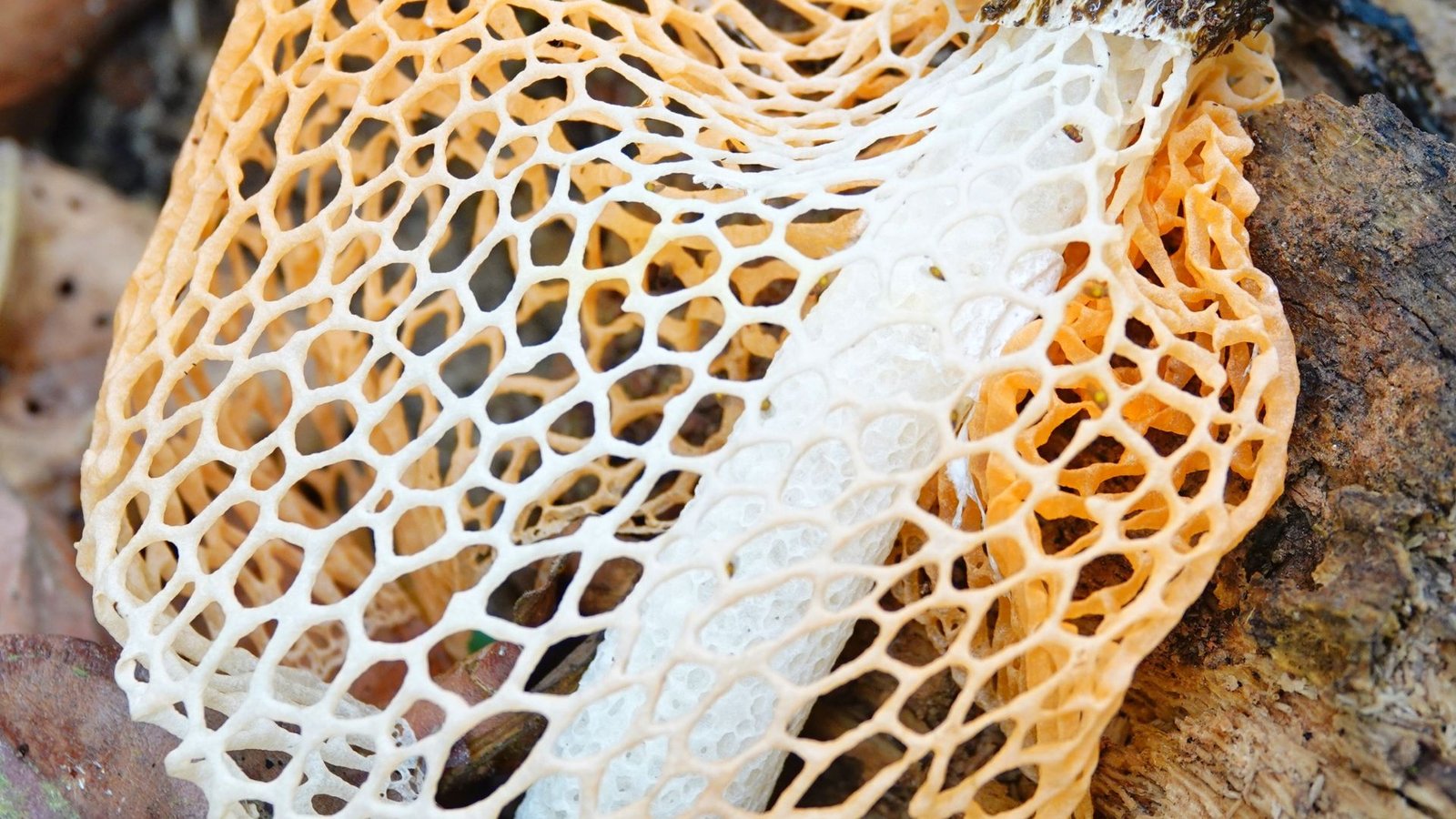
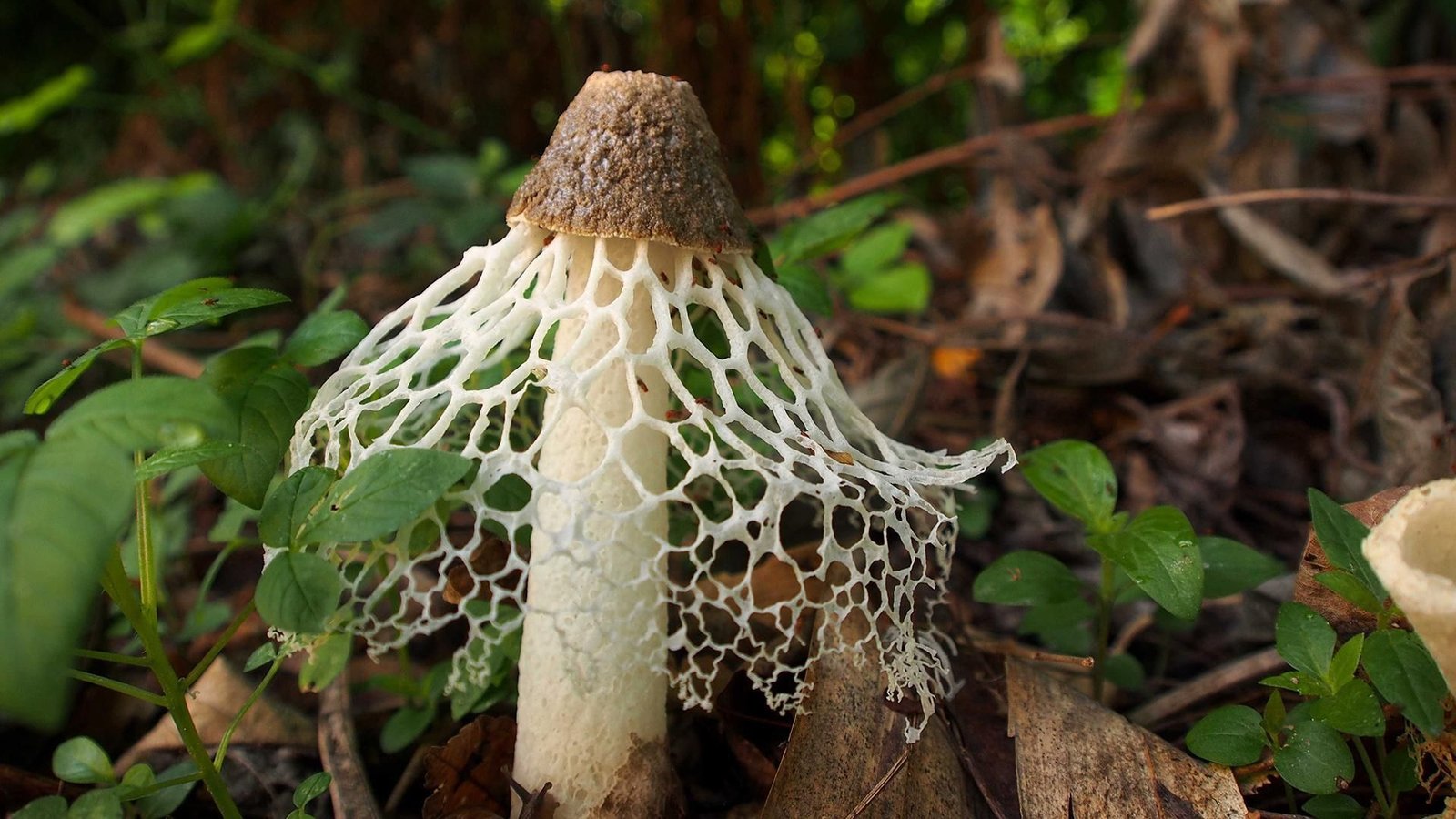
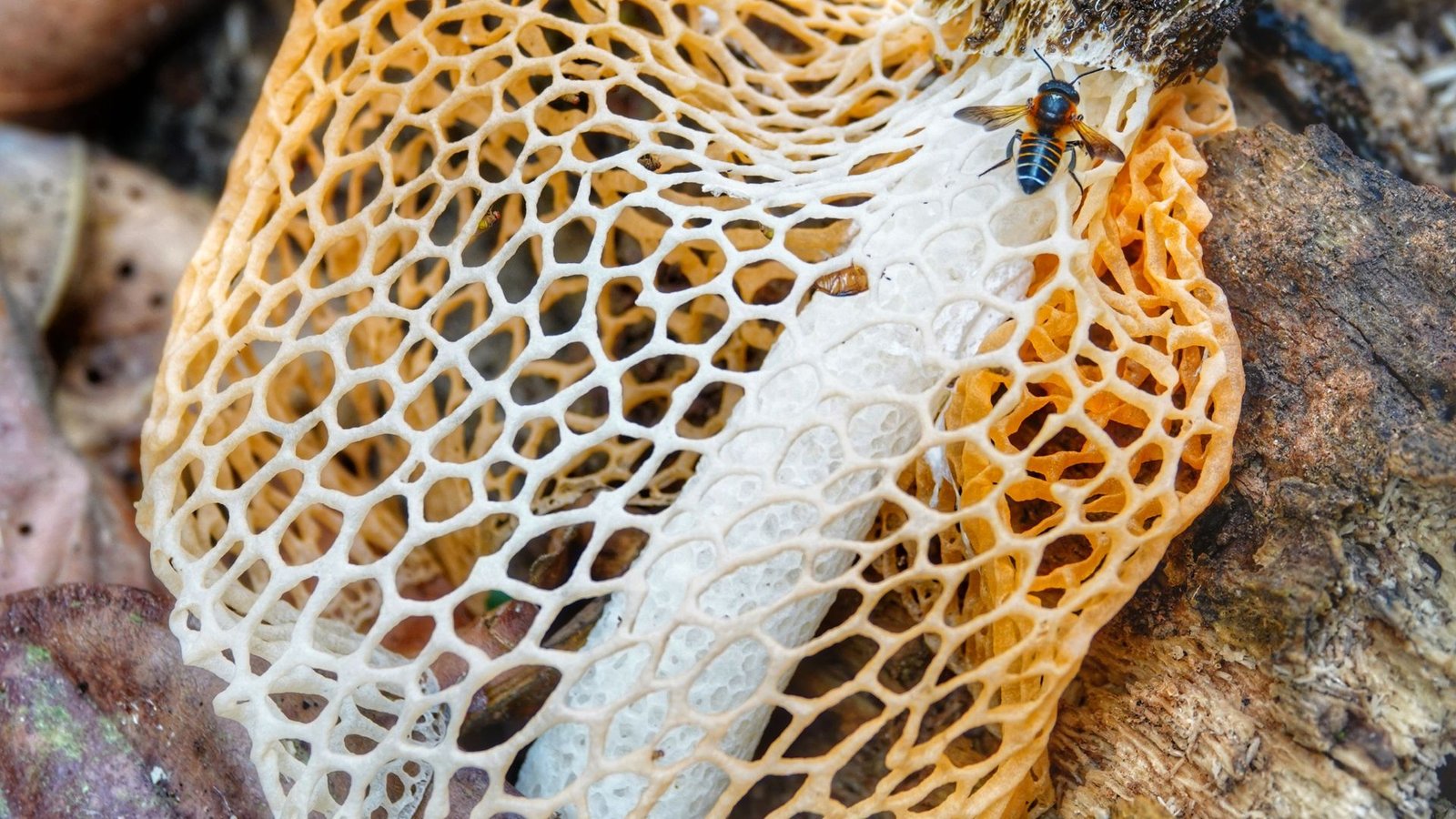
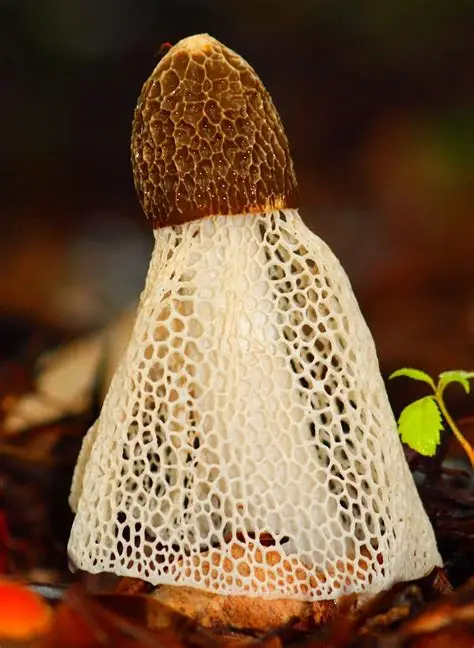
Erect, phalloid basidiome 15 – 25 cm tall arising from an ovate “egg.” Stipe white, spongy, honey‑combed (2–3 cm Ø) supporting an olive‑brown, slimy gleba on a conical cap (4–5 cm Ø) with reticulate pits. A delicate white lace‑like indusium (8–20 cm long) hangs from beneath the cap, forming a cylindrical skirt that may reach the substrate. Volva thick, white; base rooting. Gleba emits strong carrion‑like odour to attract dipteran vectors. Spores hyaline, elliptical, 3.5 × 2.0 µm. Basidiome matures rapidly (≈ 10 h) and collapses within 1–2 days.

Has Sexual Diamorphism?

LIFE‑HISTORY & VITAL STATISTICS OF THE Veiled Lady Mushroom(S)

Average Height / Length / Diameter

Fruit body 15–25 cm tall; indusium span 10–18 cm; stipe Ø ≈ 2–3 cm

Average Adult Weight / Mass

Fresh basidiome 25–45 g

Typical Lifespan / Longevity

Individual fruit body 24–48 h; subterranean mycelium perennial

Typical Lifespan / Longevity for males

Not applicable

Typical Lifespan / Longevity for Females

Not applicable

Age at Sexual Maturity

Mycelium can fructify within 3–6 months on suitable substrate

Breading Season

Year‑round in humid tropics; peaks at onset of rainy season (May–June)

Gestation

Reproductive Outcome

Ecology and Behaviour for Veiled Lady Mushroom(s)

Erect, phalloid basidiome 15 – 25 cm tall arising from an ovate “egg.” Stipe white, spongy, honey‑combed (2–3 cm Ø) supporting an olive‑brown, slimy gleba on a conical cap (4–5 cm Ø) with reticulate pits. A delicate white lace‑like indusium (8–20 cm long) hangs from beneath the cap, forming a cylindrical skirt that may reach the substrate. Volva thick, white; base rooting. Gleba emits strong carrion‑like odour to attract dipteran vectors. Spores hyaline, elliptical, 3.5 × 2.0 µm. Basidiome matures rapidly (≈ 10 h) and collapses within 1–2 days.

Habitat

Saprotrophic on rich humus, decomposing logs and bamboo litter in shaded lowland rain forest (0–800 m) and premontane wet forest; often fruiting after heavy rains along trails and disturbed edges.

Trophic Chain

Saprotrophic decomposer converting lignocellulosic debris to humus; important in nutrient recycling.

Interespecies relationships noted for Veiled Lady Mushroom

Mutualism + / +

Flies gain protein‑rich gleba; fungus gains spore transport beyond gravity fall distance.

Symbiosis + / +

Endophytic bacteria (Pseudomonas, Bacillus) in stipe secrete cellulases, hastening litter decay benefiting both partners.

Commensalism + / 0

Springtails shelter under collapsed indusium, consuming yeast bloom; fungus unaffected post‑release.

Inquilinism + / 0

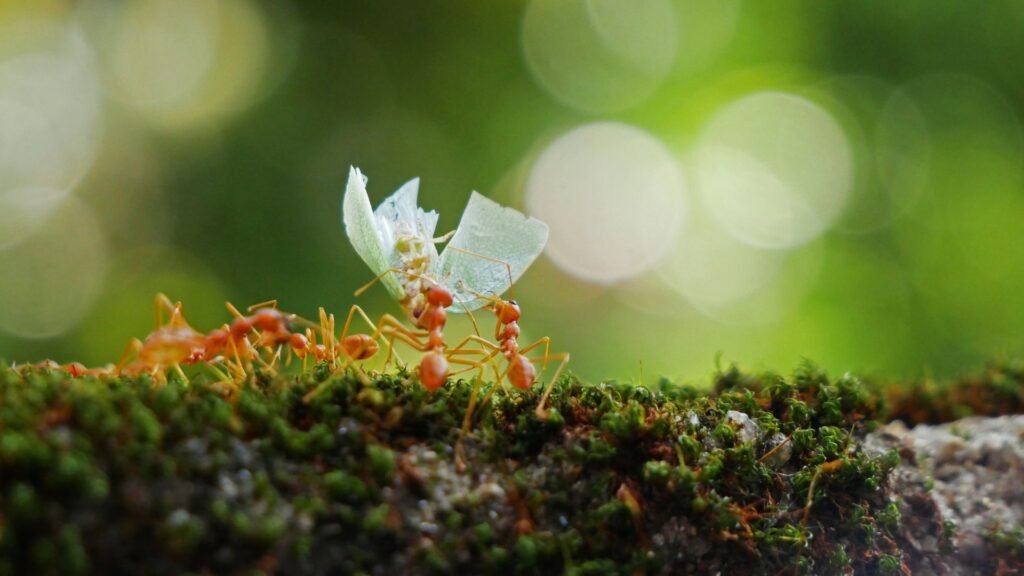
Ants (Camponotus spp.) use emptied volvas as humidity‑stable brood chambers.

Phoresy +/0

No documented case.

Tanatocresis + / 0

Decomposed basidiome contributes chitin substrate later colonised by Xylaria spp.

Parasitism + / –

Larvae of the fly Megaselia scalaris tunnel through gleba, reducing spore dissemination.

Predation + / –

Consumed by slugs and agoutis; fungus sacrificed but spores may survive gut passage.

Amensalism 0 / –

Antibiotic compounds exuded suppress growth of competing saprotrophs nearby.

Competition – / –

Competes with Leucocoprinus spp. for nutrient‑rich bamboo litter.

Social behaviour of Veiled Lady Mushroom

Social Structure & Behaviour

  • Activity pattern: fruiting triggered by ≥ 20 mm rainfall; basidiomes emerge at night, collapse by second day.

  • Spore dispersal: carrion flies (Sarcophaga, Lucilia spp.) land on fetid gleba and carry spores externally and in gut.

  • Territoriality / grouping: multiple basidiomes often appear in arcs or fairy‑rings derived from radial mycelium.

Distribution and Sighthings ofVeiled Lady Mushroom(s) in Costa Rica

General Regions of Costa Rica where to find Veiled Lady Mushrooms

Tropical
Tropical Rain Forest

National Parks and Reserves of Costa Rica where to find Veiled Lady Mushrooms

Parque Nacional Braulio Carrillo
Parque Nacional Carara
Parque Nacional Corcovado
Parque Nacional Tortuguero

Best Time to seeVeiled Lady Mushroom(s) in Costa Rica

Dry Season
January
February
March
April
June
July
August
September
October
November
December

Media

Videos

Sounds and calls

Taxonomy

Conservation Status

Status IUCN

Threats

⚠️Habitat loss from conversion of lowland rainforest to oil‑palm and pineapple plantations.
⚠️Over‑collection for gourmet export (dried “bamboo fungus” used in Asian cuisine).
⚠️Soil compaction along tourist trails reducing mycelial fruiting.
⚠️Climate‑change‑induced shifts in rainfall patterns may desiccate litter layer.

Fun Facts

  • Indusium pattern is unique to each basidiome, inspiring QR‑code‑based citizen monitoring.

  • Contains bioactive polysaccharide “phallus‑G” under study for immunomodulatory properties.

  • Consumed in Chinese haute cuisine; in Costa Rica, Indigenous Bribri occasionally use ovate “egg” as insect bait.

  • A 2022 study isolated a vanillin‑synthesizing yeast from its gleba‑visiting fruit flies.

  • Emits infra‑red detectable heat surge (up to 4 °C) during rapid stipe elongation.

Origins & Record

Origin Status

Native

Population trend

Stable

Added by

Reviewed by

More Species

Nurse Shark

Shallow coral and rocky reefs, sand flats, seagrass beds and mangrove channels from intertidal pools to ≈ 70 m; in Costa Rica abundant around Isla del Caño, Golfo Dulce, Bahía Culebra, and Caribbean patch reefs of Cahuita.

Read More »