



Poás Volcano National Park: A Window into the Earth’s Active Heart
Perched in Costa Rica’s Central Volcanic Mountain Range, just a short and scenic drive from the Central Valley, lies one of the country’s most impressive and accessible natural giants: the Poás Volcano. This is not a dormant, forest-covered peak; it is a living, breathing, and constantly changing geological entity. To visit Poás Volcano National Park is to peer directly into one of the largest and most active volcanic craters in the world—an experience that blends breathtaking beauty with the raw, elemental power of our planet.
A Crater of Global Proportions
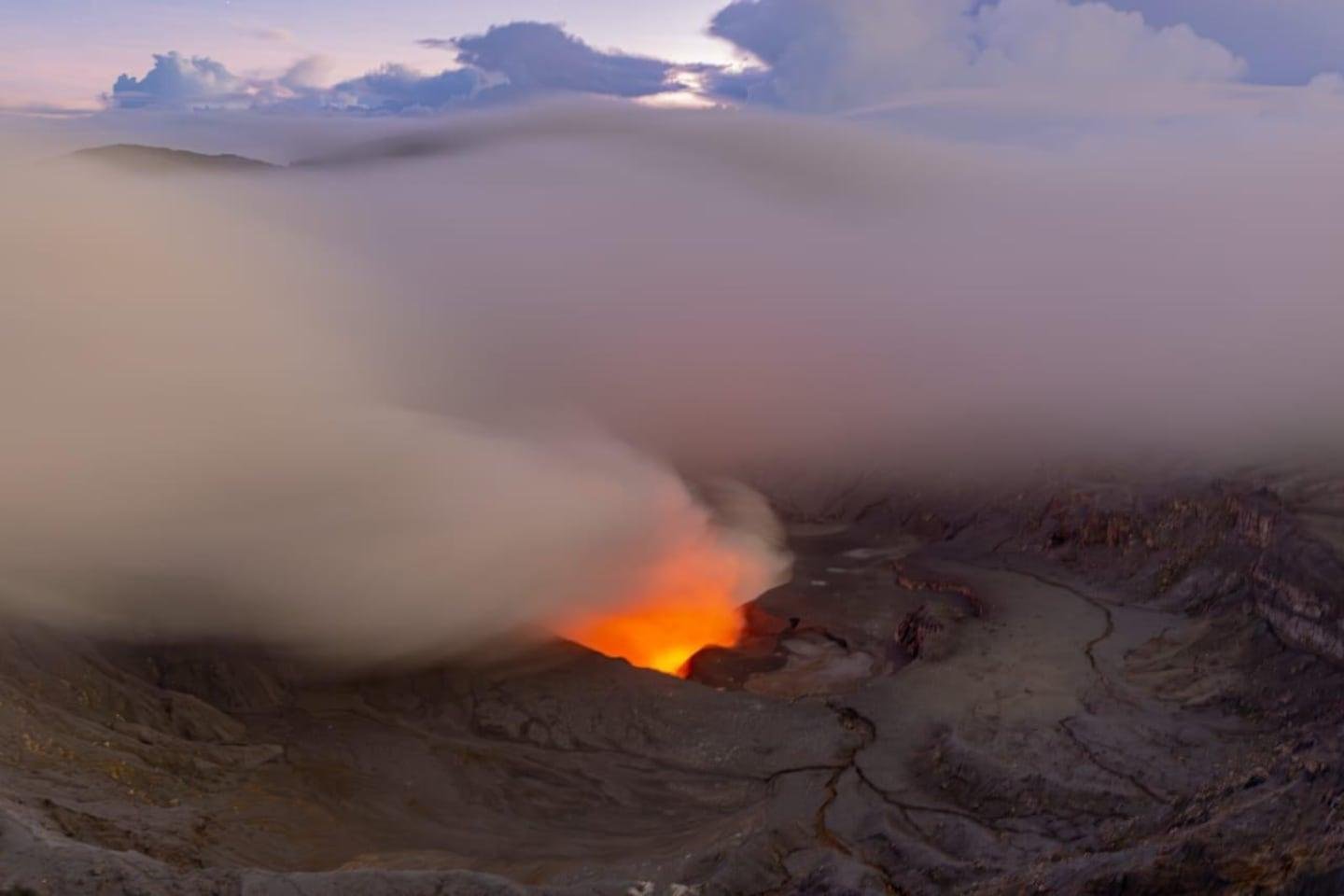
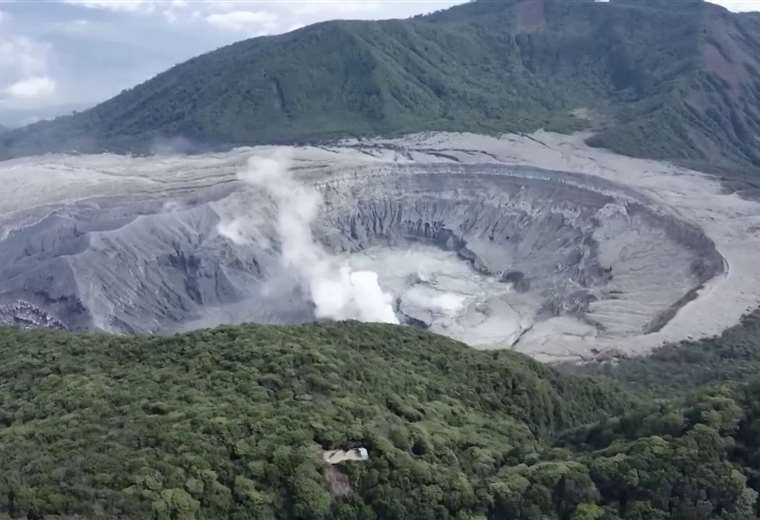
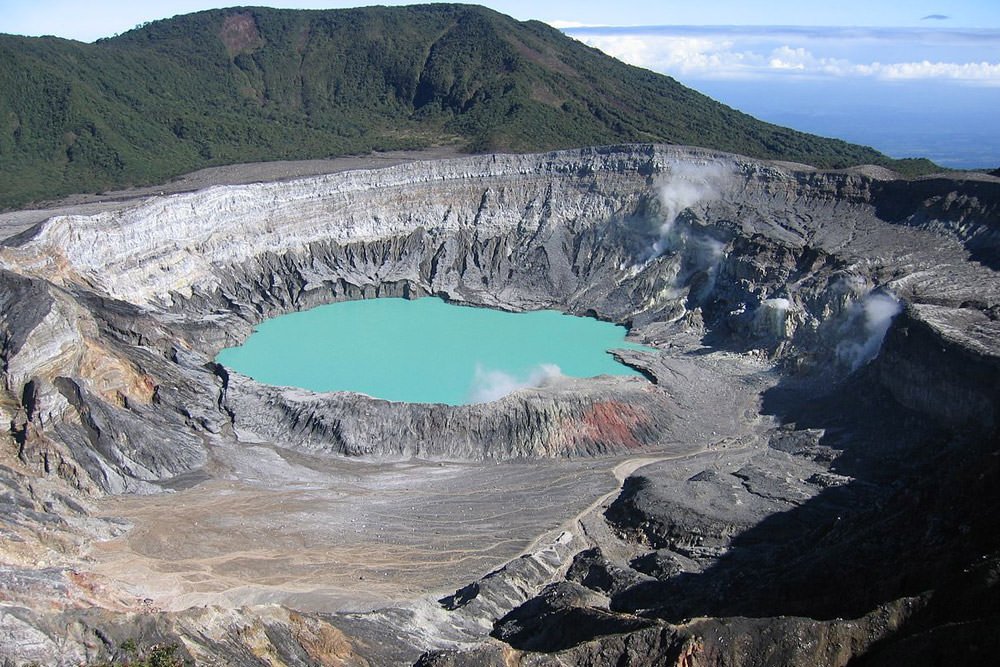
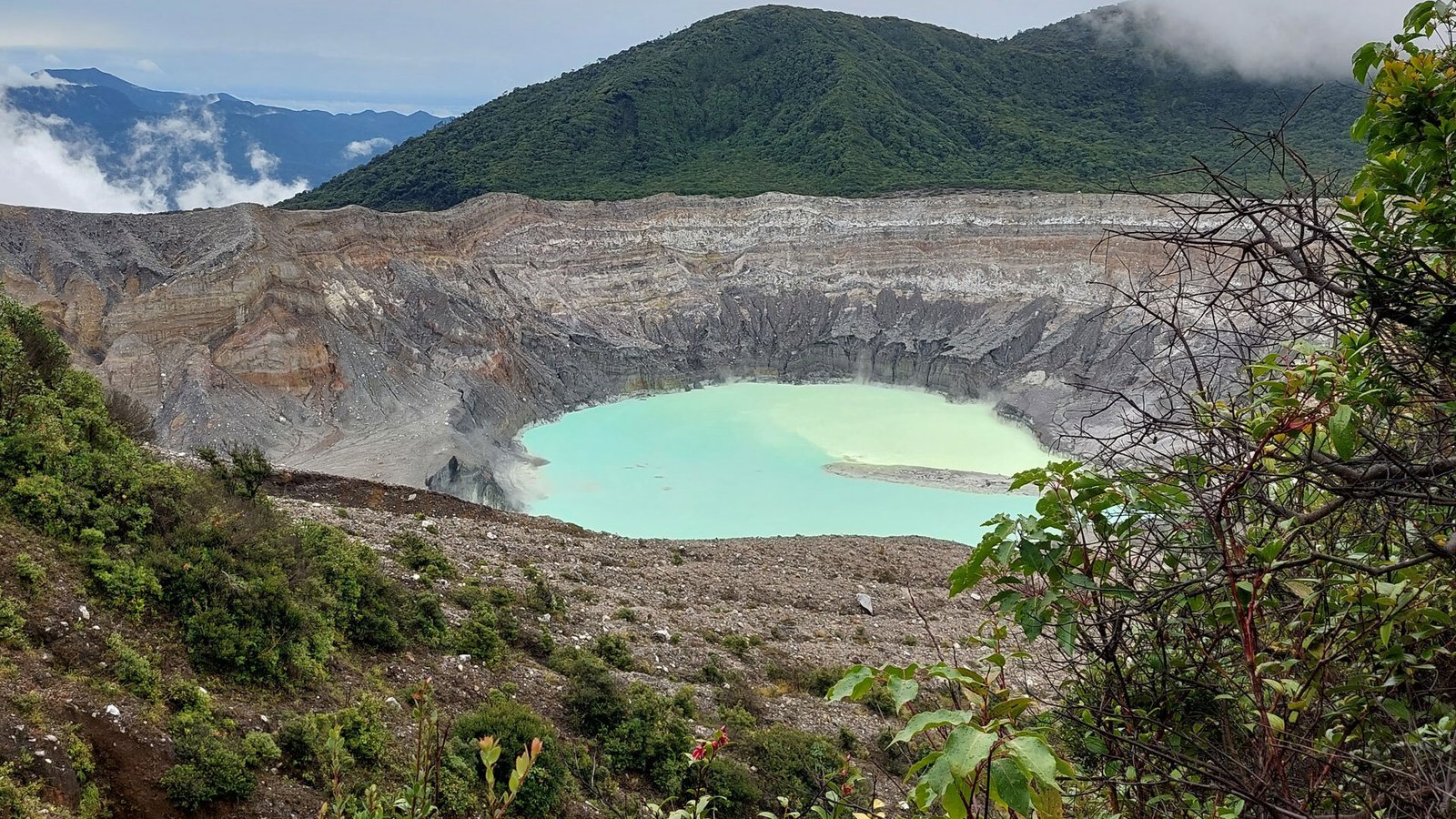
The park’s main attraction is, without a doubt, its active crater. With a diameter of approximately 1.7 kilometers (about 1 mile) and a depth of 300 meters (nearly 1,000 feet), it is one of the largest geyser-type craters in the world. At its center, a milky, turquoise, hyper-acidic lake bubbles and steams, emitting columns of gas and water vapor. This lake is one of the world’s most acidic, with a pH sometimes approaching zero—similar to battery acid.
The crater’s activity is a fascinating spectacle. It is famous for its phreatic eruptions, which occur when groundwater is superheated by the underlying magma and violently explodes into steam, launching water, mud, ash, and rocks hundreds of meters into the air. These eruptions are unpredictable and are the primary reason for the park’s strict safety protocols. Standing at the lookout, watching the fumaroles and smelling the sulfur in the air, is a humbling reminder of the immense forces churning just beneath your feet.



The Serene Contrast: Botos Lagoon
A short walk from the main crater, the landscape changes dramatically, offering a counterpoint of peace and life. Here lies the Botos Lagoon, an extinct crater that is now filled with cold, clear rainwater. With a diameter of about 400 meters (1,300 feet), this deep, blue-green lagoon is surrounded by a lush and dense cloud forest.
The trail leading to Botos Lagoon is an immersion into a high-altitude ecosystem. Gnarled, stunted trees draped in mosses, lichens, and bromeliads create a magical, ethereal atmosphere. Here, life has adapted to the constant cold and moisture. The “Poor Man’s Umbrella” (Gunnera insignis), with its gigantic leaves, is one of the most characteristic plants. This trail offers the chance to spot high-altitude birds like the Long-tailed Silky-flycatcher and several species of hummingbirds.
A History of Activity and Adaptation
Poás has a long history of eruptions, with one of the most notable in 1910, when it sent a column of ash more than 8,000 meters (26,000 feet) high. More recently, in April 2017, the volcano entered a highly violent eruptive phase. The phreatic eruptions intensified, hurling car-sized rocks around the viewpoint and damaging the park’s infrastructure.
This event forced the park’s closure for nearly a year and a half. However, it also prompted a reinvention. In response, Costa Rica developed an innovative safety management system, turning Poás into a model for others to follow.


The Visitor Experience Today: Safety and Beauty
Visiting Poás today is a different experience than before 2017, designed entirely around safety.
- Online Reservations: Tickets must be purchased exclusively online and in advance for a specific day and time slot. This controls visitor numbers and prevents crowding.
- Limited Stay at the Viewpoint: Groups of visitors are led to the main crater viewpoint for a limited time (approximately 20 minutes) to minimize exposure to volcanic gases.
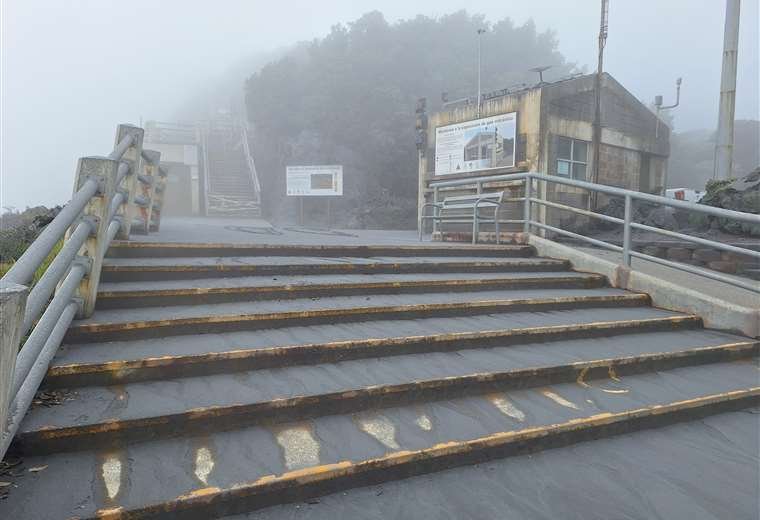
- Safety Measures: The park is equipped with real-time gas monitors, alarms, and safety shelters. The use of a hard hat in the viewpoint area is mandatory.
Despite these restrictions, the experience remains spectacular. The ease of access from San José and Alajuela, the paved road to the entrance, and the accessible trails (including wheelchair access to the main viewpoint) make Poás a unique opportunity for people of all ages and physical conditions to witness the power of an active volcano up close. It is a testament to how science, safety, and tourism can coexist, allowing us to marvel at one of nature’s most primary forces.