

Arenal Volcano: The Majestic Heart of Costa Rica’s Adventure Capita
Byline: [Your Name/Organization] Date: July 29, 2025
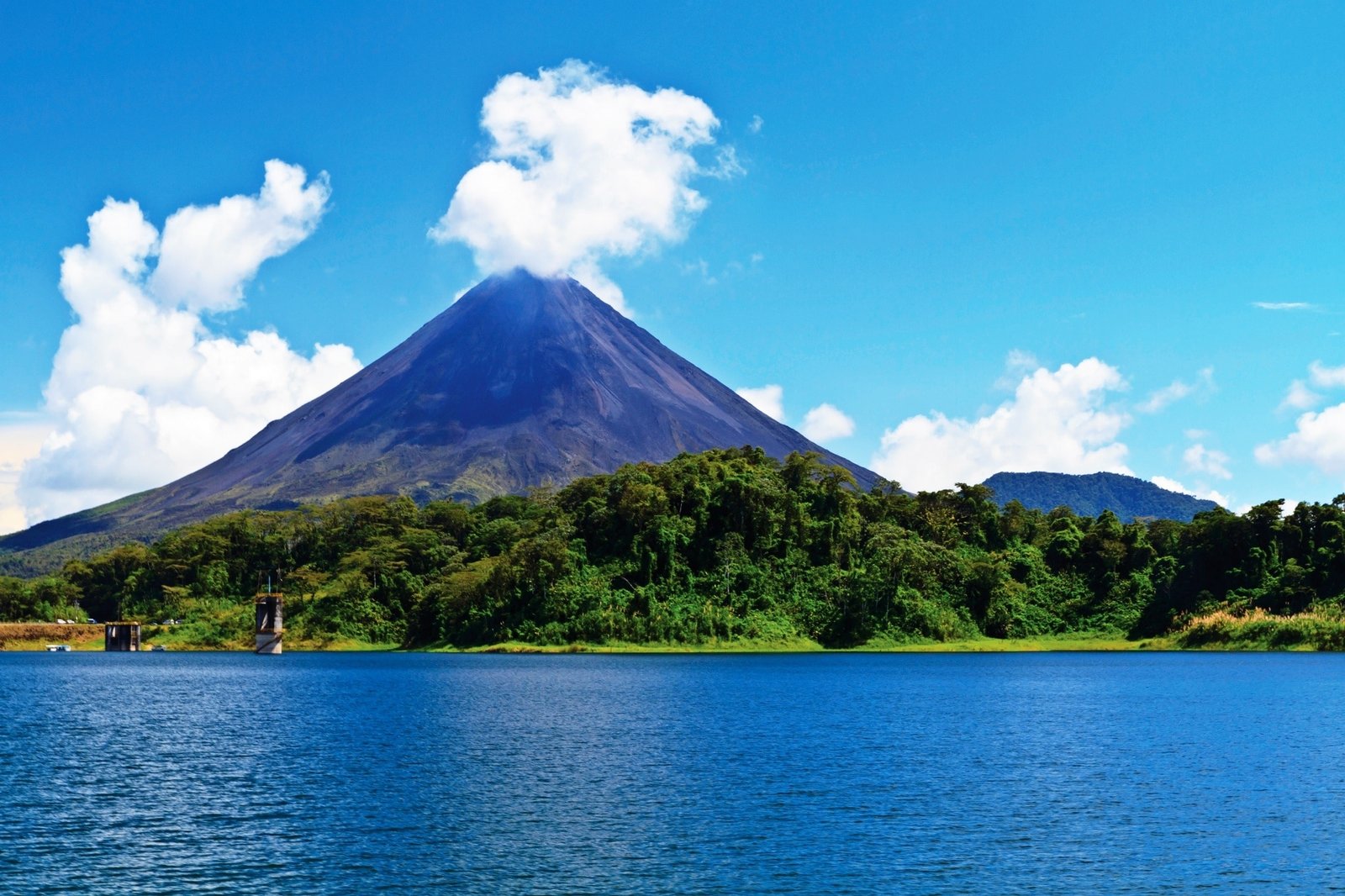
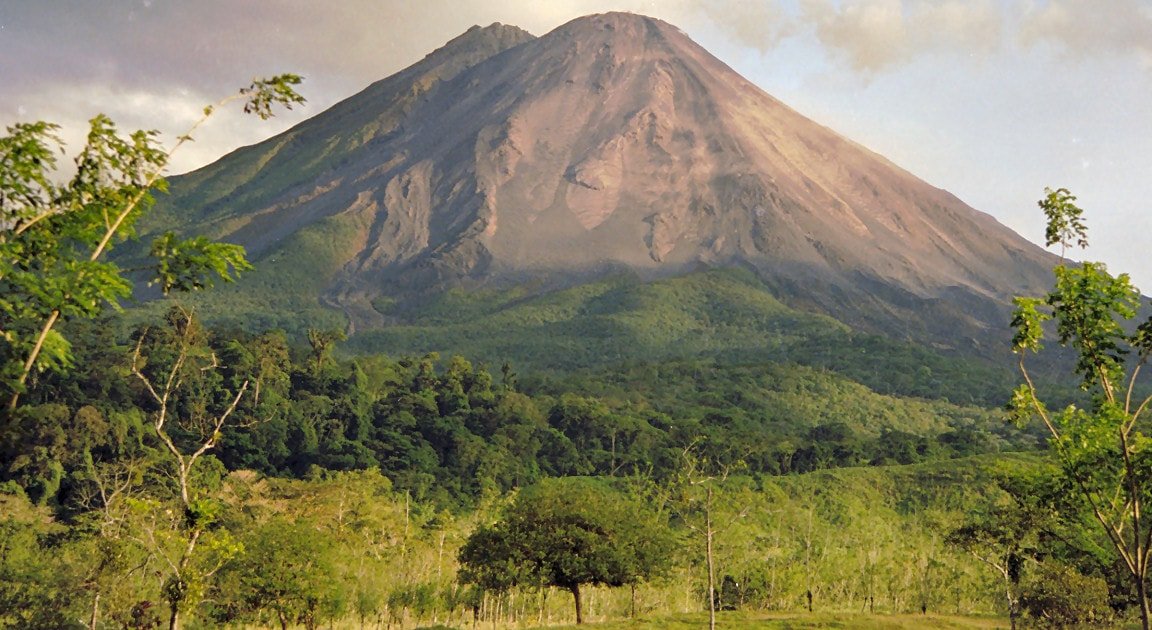
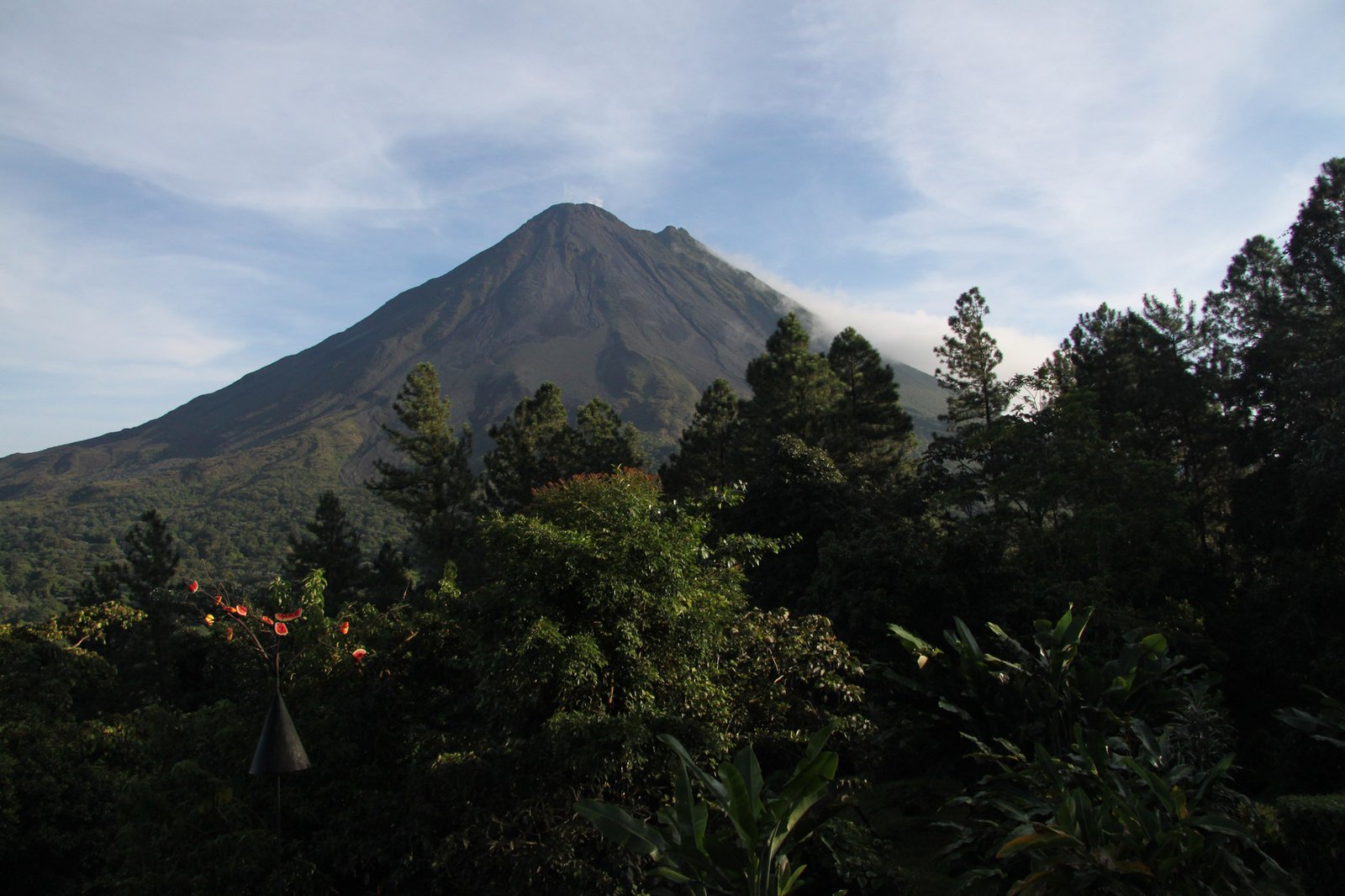
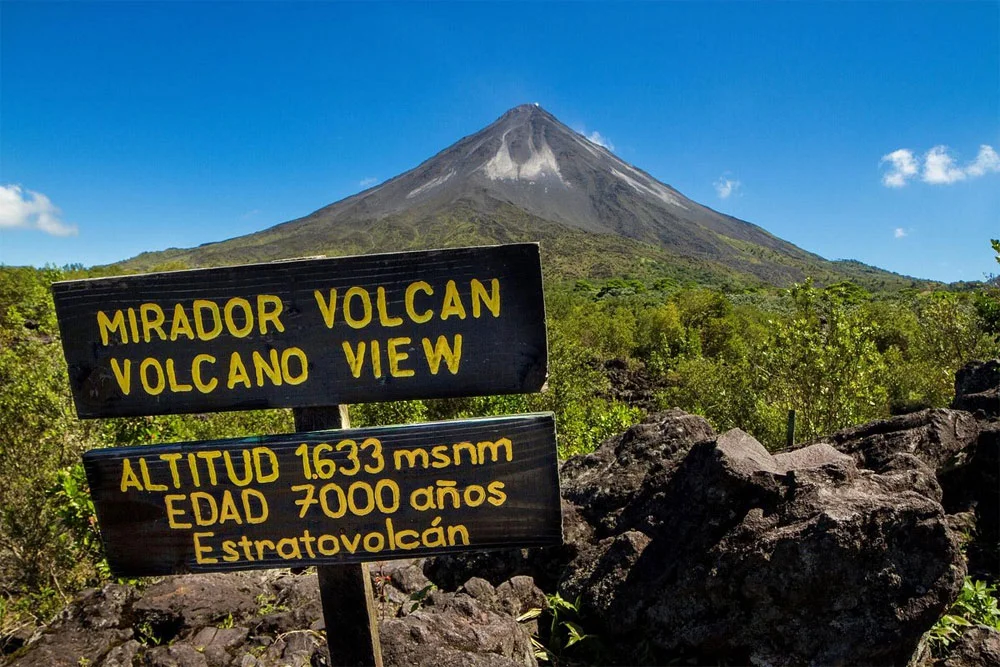
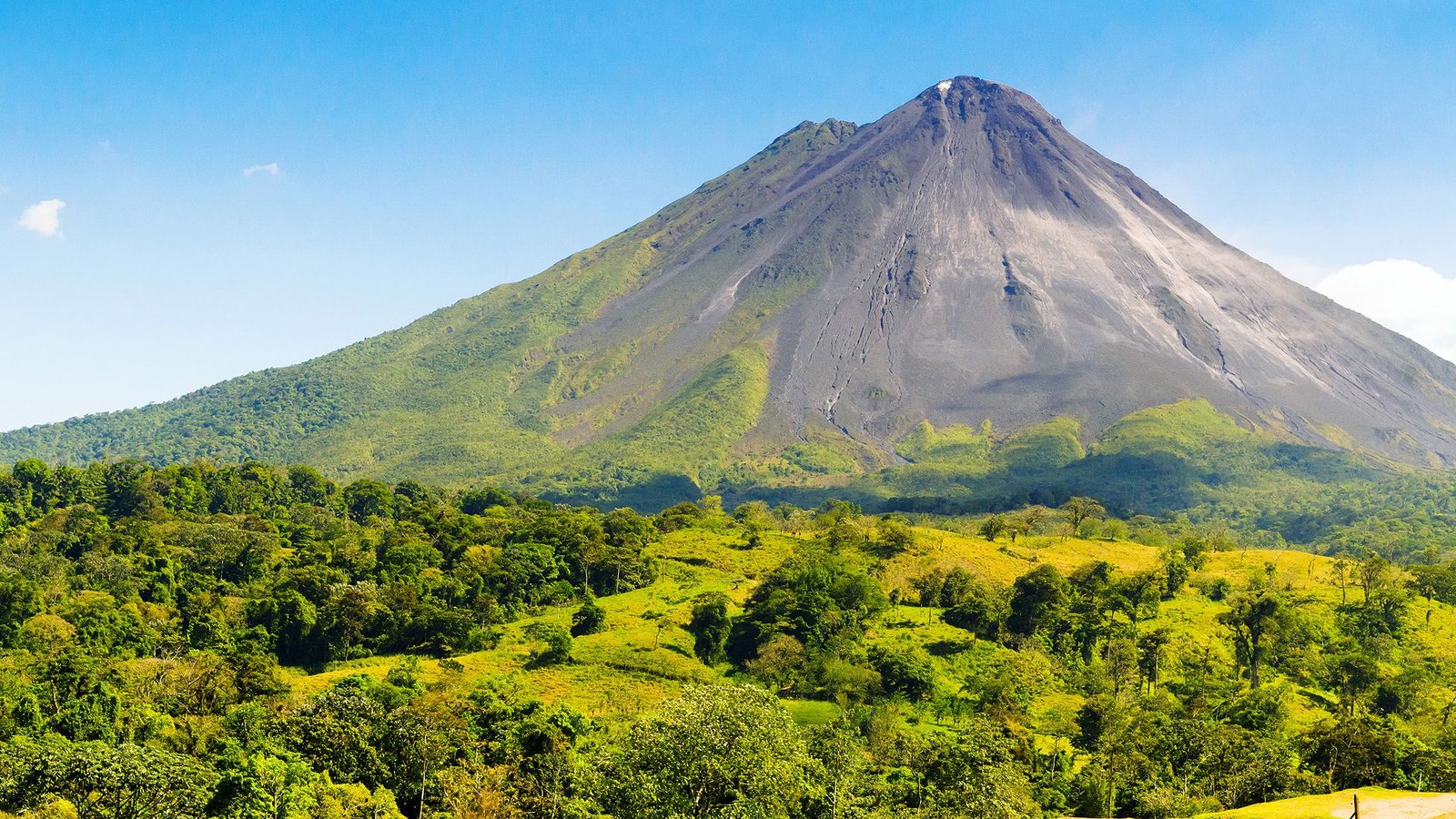
There are few sights in Costa Rica as instantly recognizable or as awe-inspiring as the perfect, conical silhouette of the Arenal Volcano. Rising majestically from the rolling green plains of the country’s northern lowlands, Arenal is more than just a mountain; it is a symbol of nature’s power, a hub for thrilling adventures, and the geological engine for a paradise of relaxation. For decades it was a fiery spectacle, and today, in its serene slumber, it stands as the watchful guardian over one of the most vibrant tourism destinations in the world.
A Tale of Two Eras: From Fiery Giant to Gentle Guardian
The story of the modern Arenal Volcano is one of dramatic and sudden transformation. For centuries, it was considered a dormant, forest-covered mountain, barely distinguishable from its neighbors. That all changed on the morning of July 29, 1968.


The “sleeping giant” awoke in a catastrophic eruption that completely devastated the landscape to its west, burying villages and forever changing the region’s geography and psyche. This powerful event marked the beginning of a new, highly active phase for Arenal. For the next 42 years, it was one of the most consistently active volcanoes in the world. Nightly spectacles of incandescent lava flowing down its slopes, coupled with thunderous rumblings and periodic explosions, drew scientists and tourists from across the globe, eager to witness the raw power of planetary creation.
Around 2010, this overt eruptive activity ceased. The nightly lava shows came to an end, and Arenal entered a new, quiescent or “resting” phase. While visitors today will not see glowing lava, the volcano is very much alive. Fumaroles still release gas and steam from its summit crater, and deep below, the magma chamber continues to radiate immense heat. This geothermal energy is the secret behind the region’s most famous attraction: the hot springs.
The Energy of Arenal: A Playground of Natural Wonders
The immense energy radiating from Arenal has fueled a world-class eco-tourism destination in its foothills, centered around the bustling town of La Fortuna. The volcano’s presence is the unifying theme for an incredible array of activities.
The Therapeutic Hot Springs
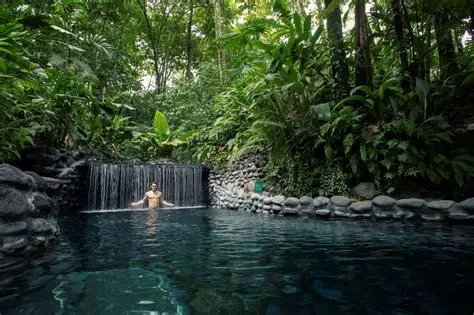
The region is dotted with dozens of hot spring resorts, fed by mineral-rich waters that are naturally heated by the volcano’s geothermal heart. Rainwater seeps deep into the earth, is heated by the magma chamber, and resurfaces in rivers and pools. The experience ranges from lively, family-friendly resorts with water slides and swim-up bars, to serene, intimate spas set in lush, candlelit gardens. Soaking in these therapeutic waters, often with a direct view of the volcano’s peak, is a quintessential Arenal experience.



Hiking Through History and Nature
While climbing the steep, protected slopes of Arenal itself is strictly forbidden, numerous trails around its base offer incredible views and a chance to walk through its history.
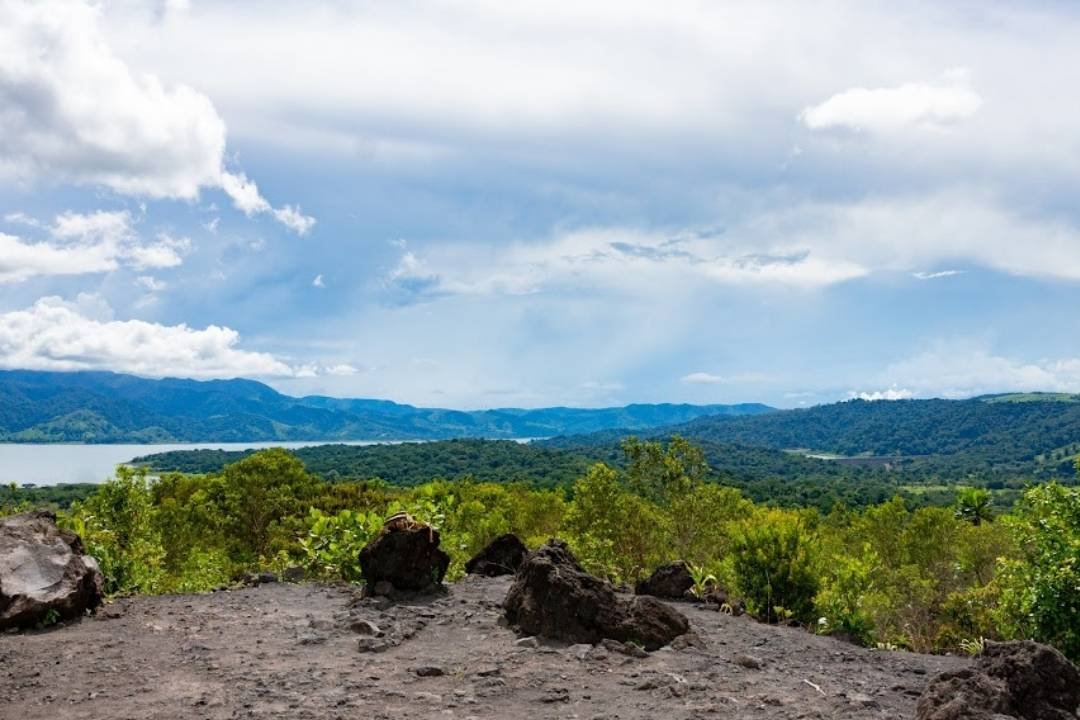
- Arenal Volcano National Park: The official park offers well-maintained trails, like the Coladas 1968, which take you across the immense, hardened lava fields from the historic eruption. Walking on this rugged, black rock provides a tangible sense of the volcano’s power. The park’s trails also wind through lush rainforest, home to a magnificent, centuries-old Ceiba tree.
- Private Reserves: Several private reserves, such as Arenal 1968 and El Silencio, offer their own network of trails with different, often closer, perspectives of the volcano.
A Bird’s-Eye View: Hanging Bridges and Zip-lines
To truly appreciate the rainforest that cloaks the volcano’s foothills, you must see it from the canopy. The Arenal area is famous for its hanging bridges (like those at Mistico Park), which allow you to walk peacefully through the treetops, observing life that is invisible from the ground. For a more adrenaline-fueled perspective, world-class zip-line courses send you soaring through the forest, offering exhilarating speeds and unmatched views of the volcano and Lake Arenal.
A Sanctuary for Wildlife
The protected lands of the Arenal Volcano National Park and surrounding areas form a vital biological corridor. While hiking or exploring, visitors are often rewarded with sightings of Costa Rica’s famed wildlife. Toucans, including the Keel-billed and Chestnut-mandibled varieties, are common. It’s not unusual to spot sloths clinging to trees, troops of howler monkeys, or families of white-nosed coatis foraging on the forest floor.
Today, Arenal Volcano has transformed from a symbol of unpredictable fury into a beacon of adventure and natural beauty. Even in its quiet state, its presence dominates the landscape and enriches every experience. Whether you are kayaking on the vast Lake Arenal at its feet, hiking over its past eruptions, or soaking in the warm waters it heats from below, you are constantly connected to the living, breathing heart of Costa Rica.