


Cocos Island: A Scientific Deep Dive into the “Treasure Island” of Biodiversity
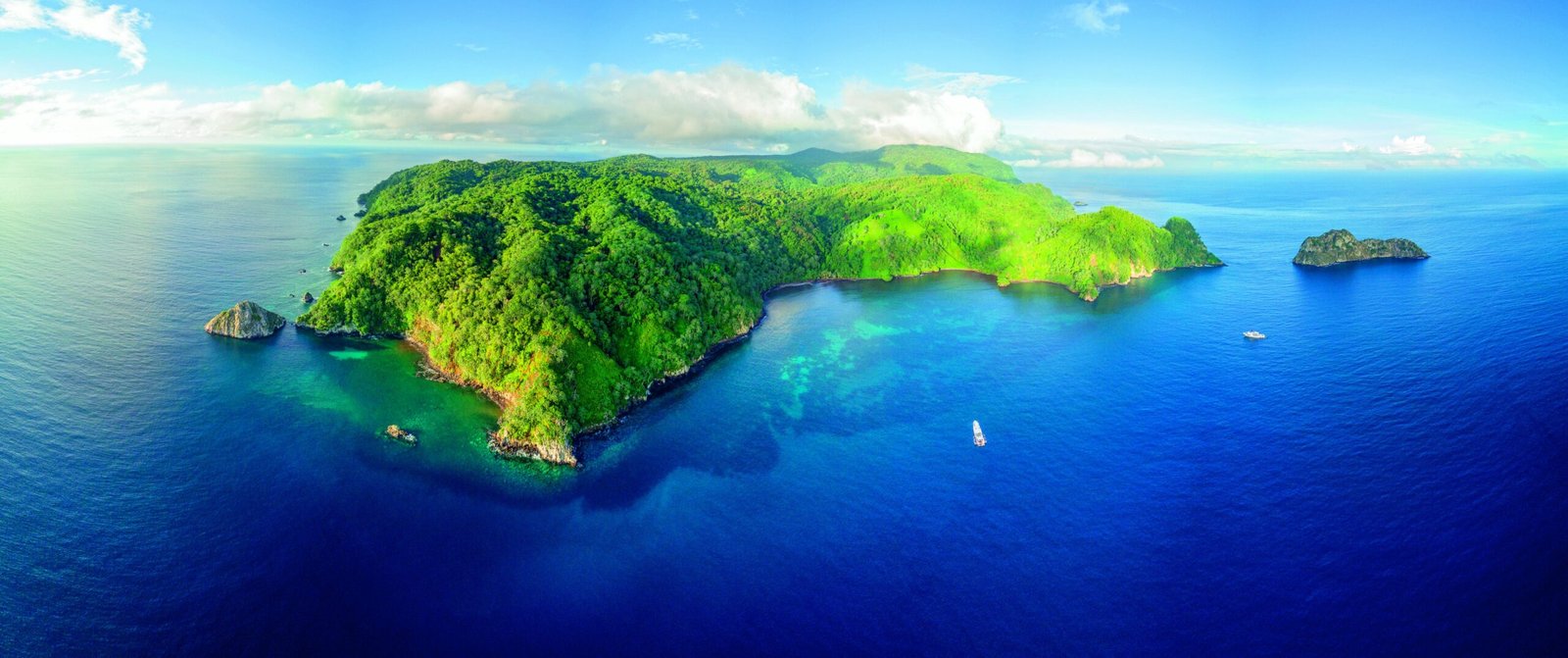
Cocos Island, a remote jewel of Costa Rican territory floating in the vastness of the Pacific Ocean, is far more than the fabled hiding place of pirate loot. Its true treasure lies in its extraordinary biodiversity, unique geological origins, and its critical role as a sanctuary for marine life. This blog post delves into the scientific marvels of this UNESCO World Heritage Site, exploring the intricate web of life that makes Isla del Coco a living laboratory for evolutionary and ecological studies.
A Volcanic Genesis in the Pacific
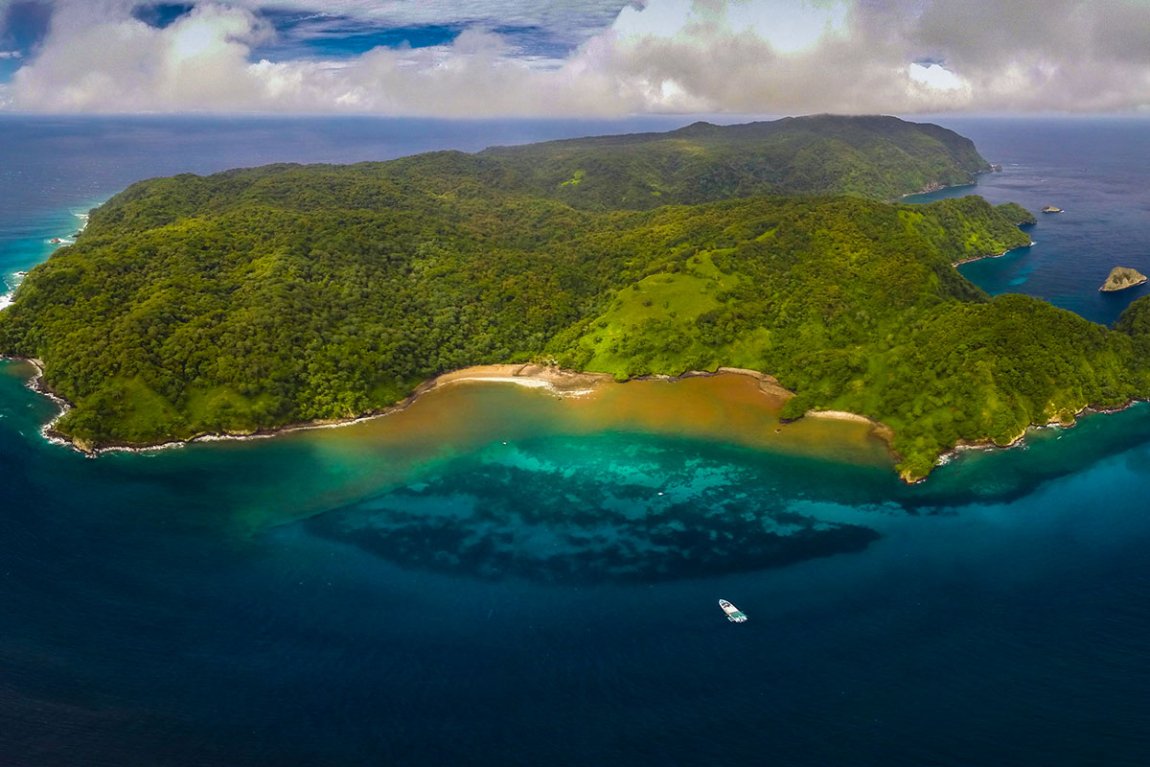
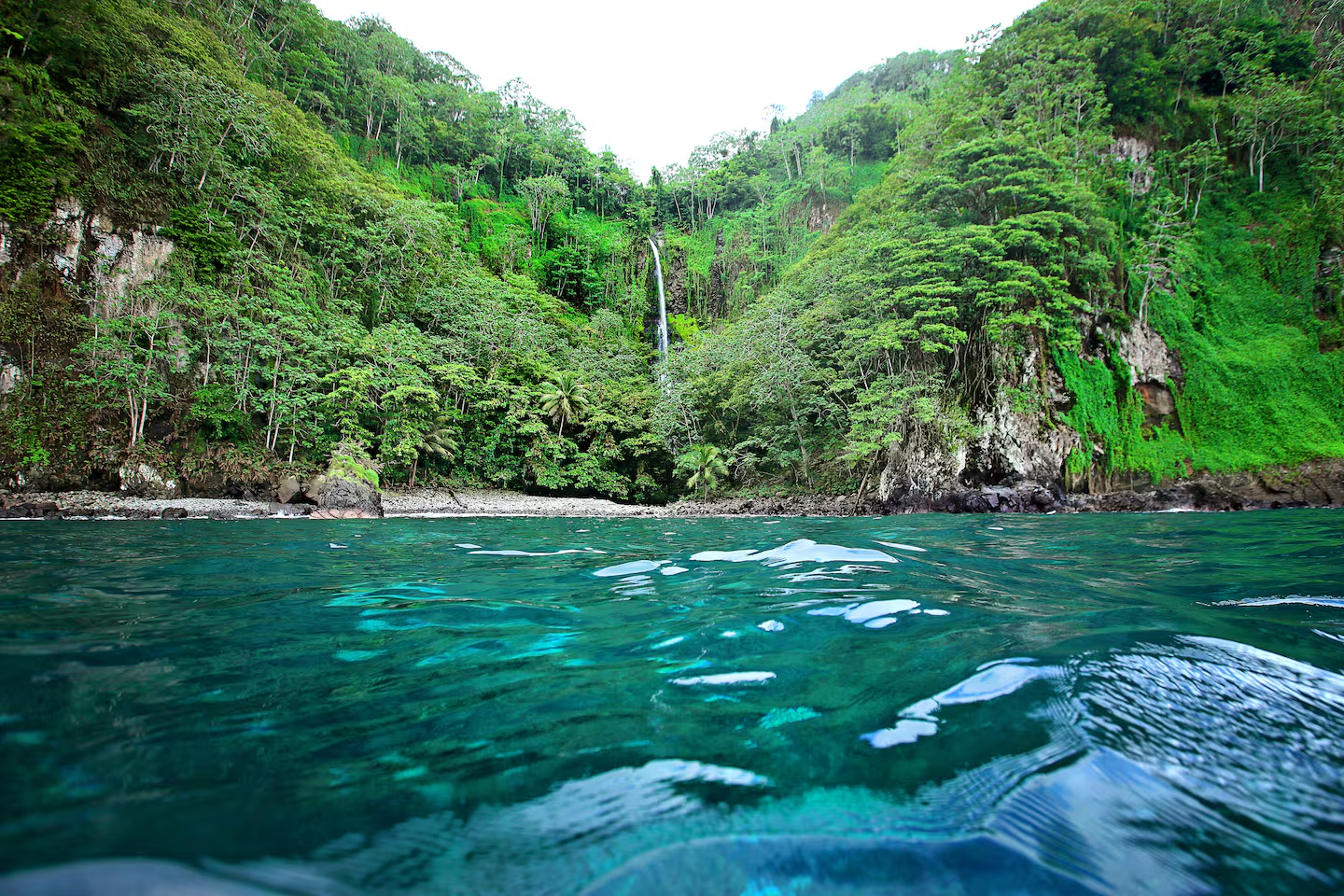
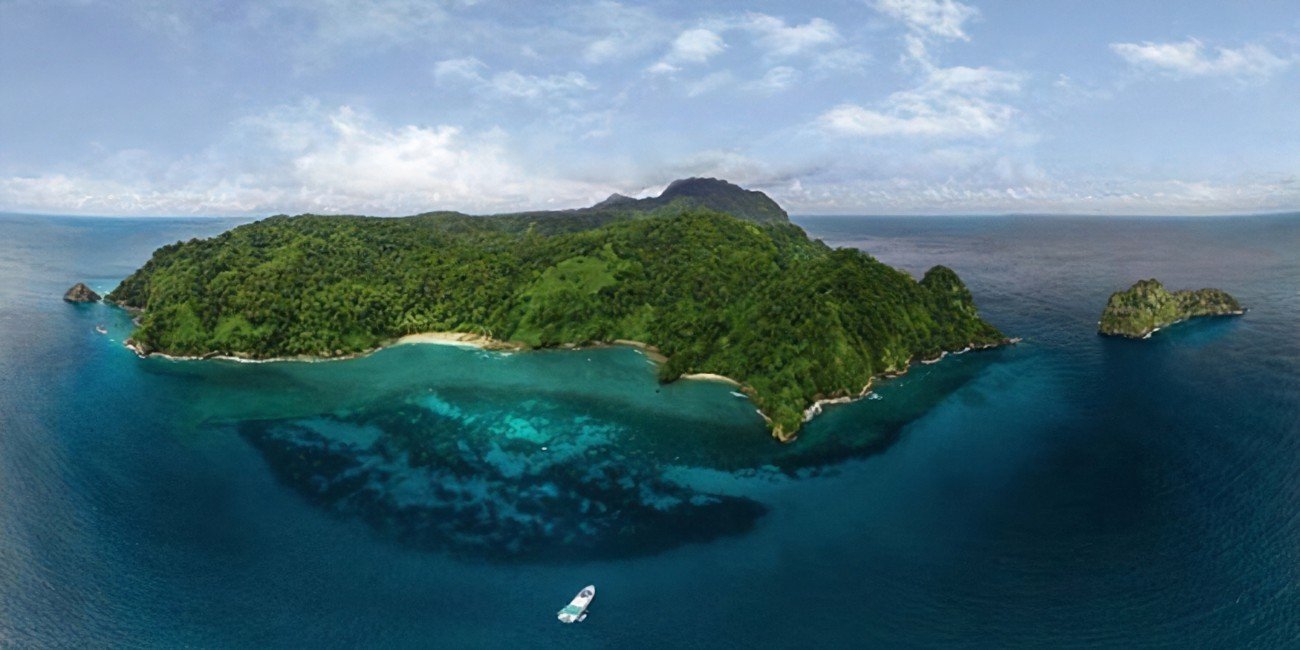
Located approximately 550 kilometers (340 miles) off the Pacific coast of Costa Rica, Cocos Island is the solitary emergent peak of the vast underwater Cocos Ridge. Its geological history is a dramatic tale of volcanic activity. The island is primarily composed of basaltic lava flows, evidence of its origin as a shield volcano that rose from the seafloor. Scientific analysis of its rock formations, dating back to the Pliocene epoch (around 2 million years ago), reveals a complex history of eruptions and erosional processes that have sculpted its rugged and dramatic landscape. The island’s precipitous cliffs, numerous rivers, and spectacular waterfalls are a direct result of these geological and hydrological forces acting over millennia.
The island’s isolation has been a key driver of its unique ecological character. Never connected to a continental landmass, every plant and animal species had to arrive via long-distance dispersal, a process that has fostered a high degree of endemism.

A Climate of Abundant Life
Cocos Island is characterized by a hyper-humid tropical climate, receiving an astounding average annual rainfall of over 7,000 millimeters (275 inches). This constant drenching, coupled with consistently warm temperatures, has nurtured a lush, dense rainforest that cloaks the island’s entirety. The persistent cloud cover at higher elevations has even given rise to a rare and scientifically significant cloud forest ecosystem, an unusual feature for an oceanic island of its size.
The oceanography surrounding the island is equally dynamic. Cocos Island is situated at the confluence of major oceanic currents, most notably the North Equatorial Countercurrent. This unique positioning makes it a critical nexus for the dispersal of marine larvae and a congregation point for migratory species, effectively acting as a stepping stone and a hub of life in the Eastern Tropical Pacific.
A Bastion of Endemism and Biodiversity
Terrestrial Realm: The island’s flora is a testament to its isolation. Of the approximately 235 vascular plant species identified, around 70 are endemic, meaning they are found nowhere else on Earth. The forest is a multi-layered canopy of trees, ferns, and bromeliads, creating a vibrant and complex habitat for its terrestrial inhabitants.
The fauna, while not as diverse in large mammals, showcases remarkable instances of endemic evolution. The island is home to three endemic bird species: the Cocos Finch (Pinaroloxias inornata), the Cocos Flycatcher (Nesotriccus ridgwayi), and the Cocos Cuckoo (Coccyzus ferrugineus). The Cocos Finch is particularly noteworthy as it is one of Darwin’s finches, the only one found outside of the Galápagos Islands, providing a parallel narrative of adaptive radiation. The island also hosts a variety of endemic insects and reptiles.
Marine Metropolis: The true spectacle of Cocos Island’s biodiversity unfolds beneath the waves. The surrounding waters, protected as the Cocos Island National Park and the expanded Seamounts Marine Management Area, are a global hotspot for large pelagic species. The coral reefs, while not as extensive as in other parts of the world, are vibrant and crucial to the local ecosystem.
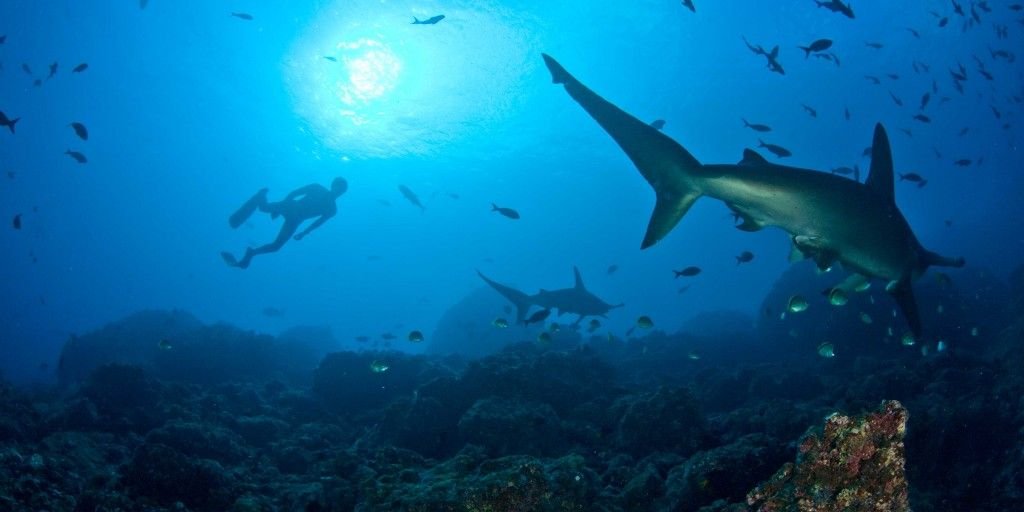
The island is world-renowned for its massive aggregations of sharks. Divers and scientists alike are drawn to the incredible sight of schooling scalloped hammerhead sharks (Sphyrna lewini), often numbering in the hundreds. Whitetip reef sharks (Triaenodon obesus), Galapagos sharks (Carcharhinus galapagensis), and the occasional tiger shark (Galeocerdo cuvier) are also common residents. The presence of juvenile hammerheads suggests the area may serve as a critical nursery ground.
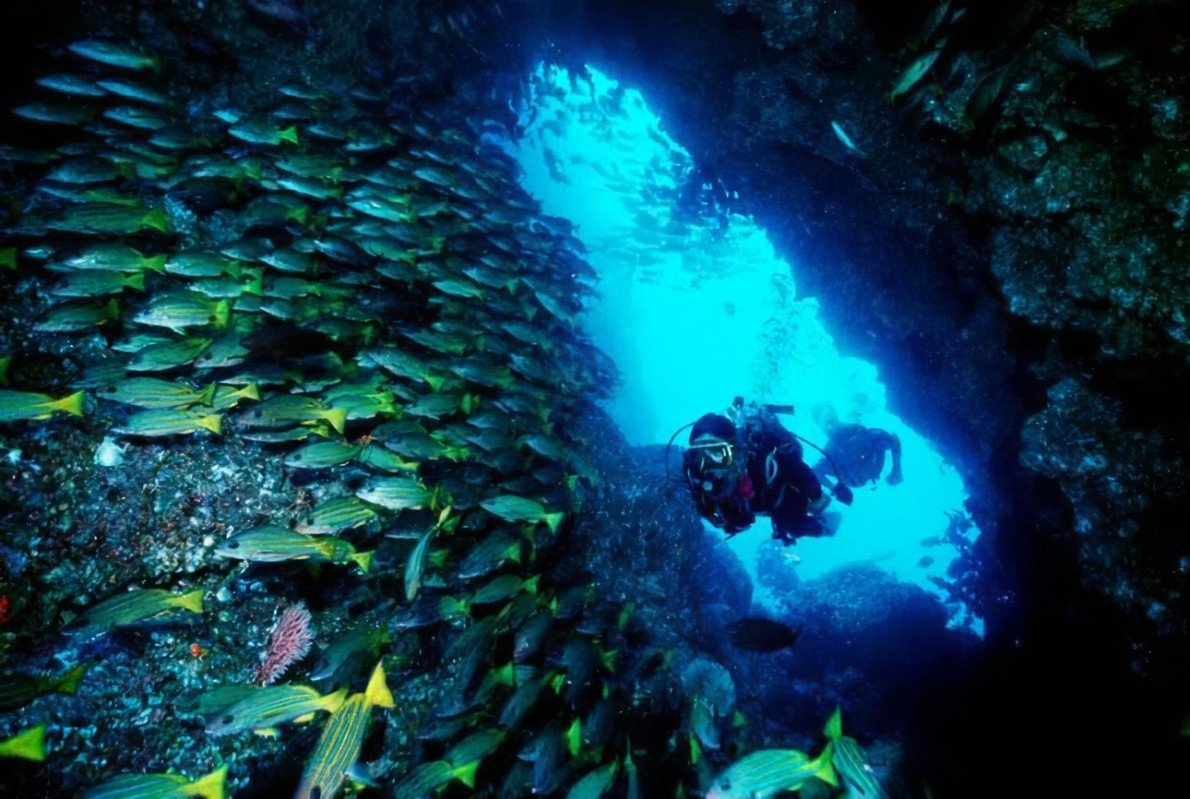
Beyond sharks, the marine ecosystem teems with life. Giant manta rays (Mobula birostris), eagle rays (Aetobatus narinari), vast schools of jacks and tuna, and a colorful array of reef fish create a bustling underwater cityscape. The intricate network of volcanic tunnels and caves provides shelter for a diverse community of invertebrates and fish.



Conservation in a Fragile Paradise
The very remoteness that fostered Cocos Island’s unique biodiversity also presents significant conservation challenges. The primary threat remains illegal, unreported, and unregulated (IUU) fishing. The immense concentration of commercially valuable species, particularly sharks and tuna, makes the waters around the island a target for poachers. Shark finning, a brutal and wasteful practice, has historically been a major concern.
In response, the government of Costa Rica, with the support of international and national non-governmental organizations like the Friends of Cocos Island Foundation (FAICO) and WildAid, has implemented robust surveillance and enforcement strategies. These include a comprehensive Marine Protection System (MPS) with advanced radar and satellite monitoring, regular patrols by park rangers and the Coast Guard, and international cooperation.
Climate change also poses a long-term threat. Rising sea surface temperatures can lead to coral bleaching, and changes in ocean currents could disrupt the delicate balance of the marine food web that sustains the island’s iconic megafauna.
A Beacon of Hope for Marine Conservation
Cocos Island stands as a powerful symbol of the wonders of the natural world and the critical importance of protected areas. The ongoing scientific research conducted here provides invaluable insights into island biogeography, marine ecology, and the impacts of global change. The concerted conservation efforts are a testament to what can be achieved when science, government, and civil society work together.
While the legends of pirate gold may have put Cocos Island on the map, its true and incalculable riches are the vibrant ecosystems and the unique forms of life that call this remote paradise home. It is a treasure that belongs to all of humanity, and its continued protection is a global responsibility.