

Braulio Carrillo National Park: A Colossus of Biodiversity and the Watery Heart of Costa Rica
In the heart of Costa Rica, forming a majestic green shield for the Central Valley, stands Braulio Carrillo National Park. More than just a park, it is a colossus of biodiversity, a living laboratory for tropical ecology, and the vital water source for the country’s most populated region. This blog post delves into the scientific magnificence and critical importance of one of Costa Rica’s largest and most complex protected areas.
A Birth Driven by Concrete and Conservation
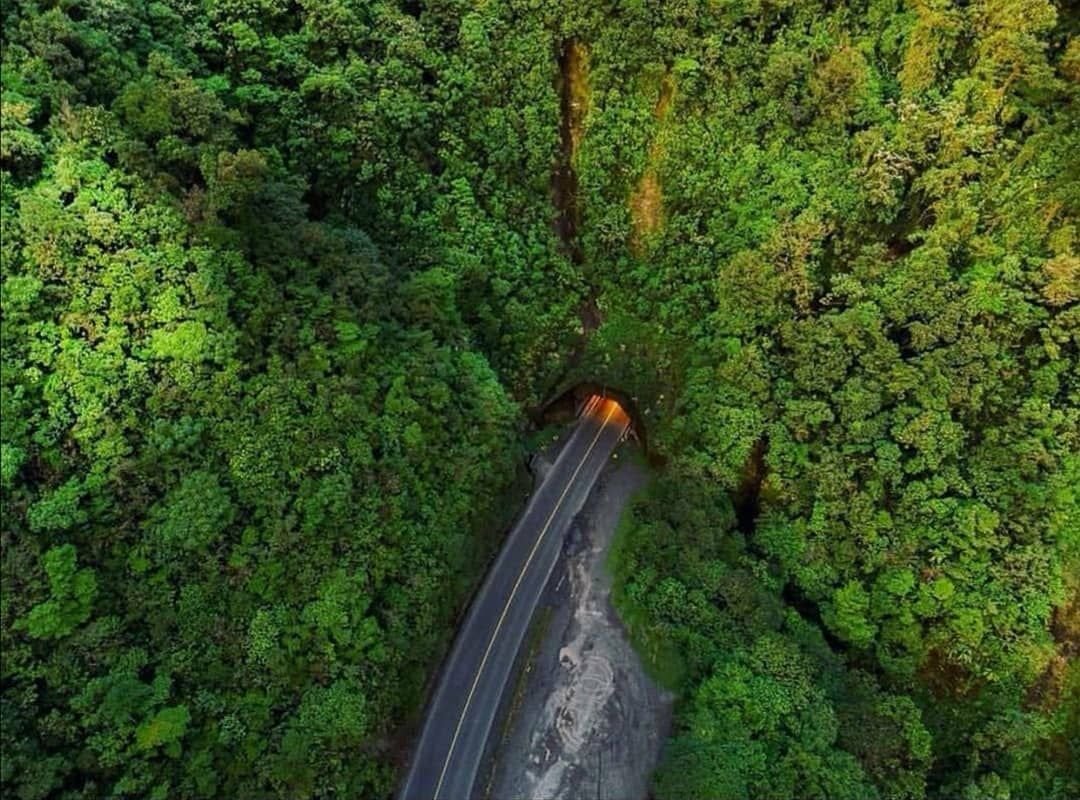
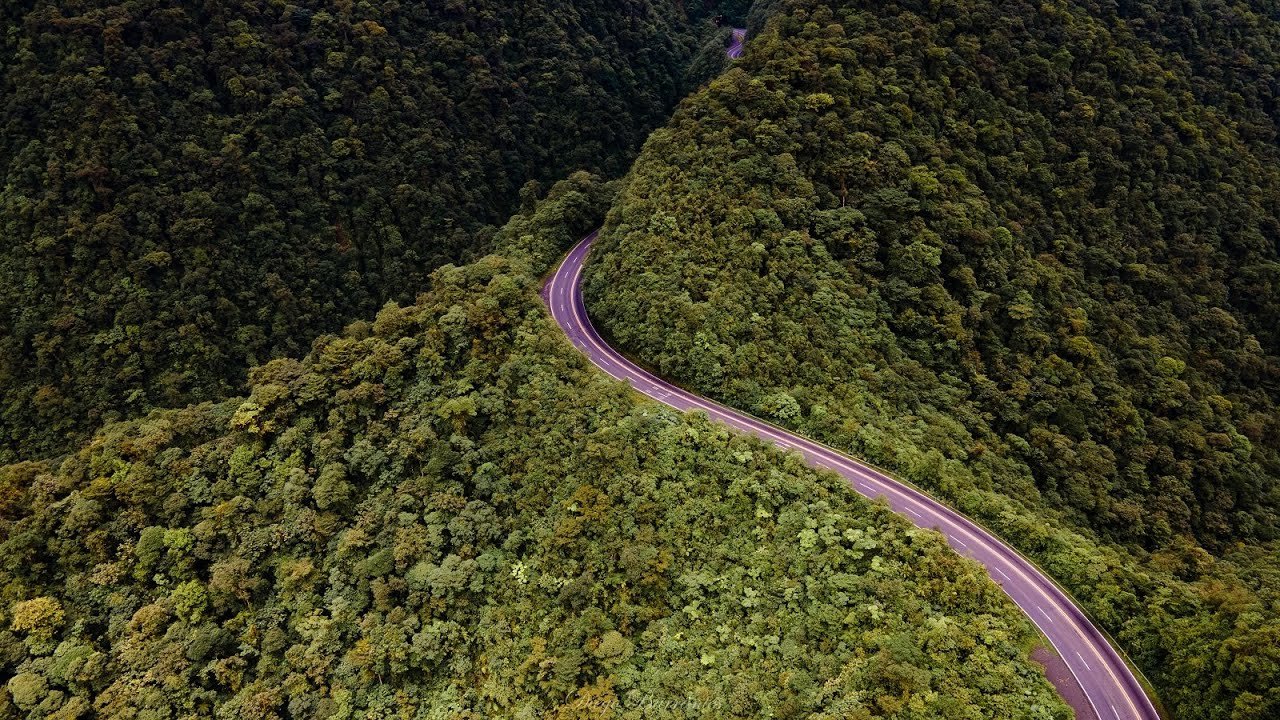
The creation story of Braulio Carrillo National Park is as unique as its ecosystems. Its establishment on April 15, 1978, was not an act of preservation in a vacuum, but a direct and visionary response to the construction of National Route 32, the highway connecting San José with the Caribbean city of Limón. Scientists and conservationists of the era, alarmed by the inevitable wound the road would inflict upon the forest and the potential for colonization and deforestation it would bring, successfully advocated for the protection of a vast area on both sides of the road.



Named in honor of Braulio Carrillo Colina, Costa Rica’s third head of state (1837-1842) and a modernizer of the nation, the park became a monument to foresight, ensuring that progress did not annihilate an irreplaceable natural heritage. Today, the park spans over 50,000 hectares (123,500 acres), a testament to the forged coexistence between infrastructure and nature.
A Geological and Climatic Mosaic
The topography of Braulio Carrillo is dramatically irregular—a landscape of steep mountains, deep canyons, and river valleys. Its territory stretches across an astonishing altitudinal gradient, from just 36 meters (118 feet) above sea level in the Caribbean lowlands to 2,906 meters (9,534 feet) at the summit of the Barva Volcano. This altitudinal variation is the primary architect of its megadiversity.
Within its boundaries lie several extinct volcanoes, the most notable being the Barva Volcano, with its three peaks known as “Las Tres Marías” and its crater lakes (Barva and Copey), and the Cacho Negro Volcano. Geologically, the park is a bastion of the Central Volcanic Mountain Range, a crucial formation for understanding the igneous history of the Central American isthmus.
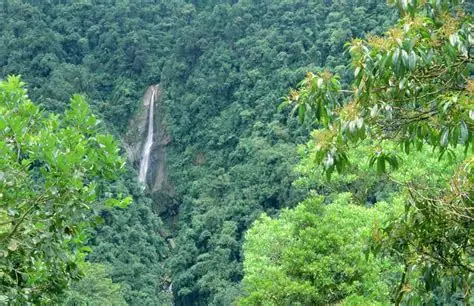
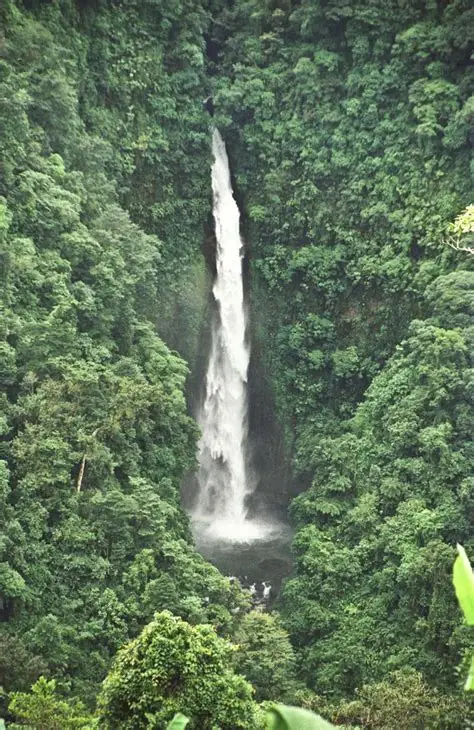
Climatically, the park is a realm of humidity. Annual rainfall can exceed 5,800 millimeters (228 inches) in some areas, creating a perpetually humid environment that sustains an almost unparalleled vegetal exuberance. This immense water catchment makes it the water factory of the Central Valley, giving rise to dozens of rivers and streams that supply drinking water to the Greater Metropolitan Area.
A Sanctuary of Life Zones and Species
The confluence of altitudinal and climatic gradients has given rise to a complex mosaic of ecosystems, scientifically classified according to the Holdridge Life Zone system. The park is home to at least five of these zones, ranging from Tropical Wet Forest in the lowlands to Montane Rain Forest on the highest peaks. Each zone possesses a distinct floral and faunal composition.
The biodiversity contained within this gradient is overwhelming:
- Flora: It is estimated that the park is home to nearly 6,000 plant species, representing approximately half of the entire plant diversity of Costa Rica. The variety of orchids, ferns (including tree ferns), bromeliads, palms, and precious wood trees like mahogany and cedar is extraordinary. Species like the Ceibo and the Botarrama reach monumental sizes.
- Fauna: The faunal richness is equally impressive. Records show:
- Mammals: 164 species, including large cats like the jaguar (Panthera onca) and puma (Puma concolor), the Baird’s tapir (Tapirus bairdii), three of the country’s four monkey species (mantled howler, white-faced capuchin, and spider monkey), and the northern tamandua (Tamandua tetradactyla).
- Birds: Around 550 species, an astounding figure for a single park. It is a crucial birdwatching site, home to the majestic Resplendent Quetzal (Pharomachrus mocinno) in the highlands of Barva, the Three-wattled Bellbird (Procnias tricarunculatus), and the King Vulture (Sarcoramphus papa).
- Herpetofauna: 218 species of reptiles and amphibians have been identified. This diversity includes vibrantly colored glass frogs, snakes like the feared terciopelo pit viper (Bothrops asper), and its natural predator, the mussurana (Clelia clelia).

Research, Recreation, and Threats
Braulio Carrillo National Park is a premier scientific research site. Its well-preserved altitudinal gradient serves as an ideal model for studying the effects of climate change on species distribution and the dynamics of tropical ecosystems.
For the public, the park offers two main sectors:
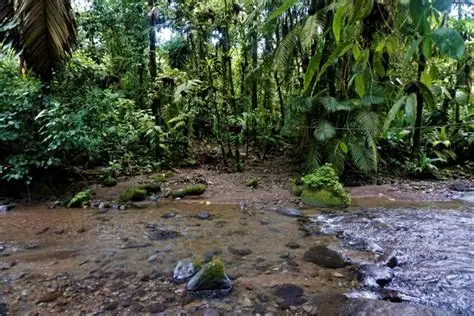
- Quebrada González Sector: Located along Route 32, it offers well-maintained trails that allow visitors to experience the vastness of the lowland rainforest with relative ease.
- Barva Volcano Sector: Accessible from Heredia, this higher altitude sector leads to the volcanic lagoons through a dense cloud forest, offering a completely different mountain experience.
Despite its protected status, Braulio Carrillo faces constant threats. Pressure from illegal hunting, logging on its peripheries, and the “edge effect” caused by the highway (which acts as a barrier for many species and a source of pollution) are ongoing management challenges. The conservation of this green giant requires constant vigilance and societal support to ensure it remains the lung and watery heart of Costa Rica for generations to come.