

Chirripó National Park: A Journey to Costa Rica’s Summit and a World Lost in the Clouds
In the heart of the Talamanca Mountain Range, a granite spine that divides the Pacific and Caribbean slopes, a giant stands tall. This is Mount Chirripó, the highest point in Costa Rica and the beating heart of the national park that bears its name. More than just a mountain, Chirripó National Park is a sanctuary of unique ecosystems, a testament to the ice age in the tropics, and a physical and spiritual challenge that draws adventurers from all over the world.
The Roof of the Nation: Geology and Glacial Origins
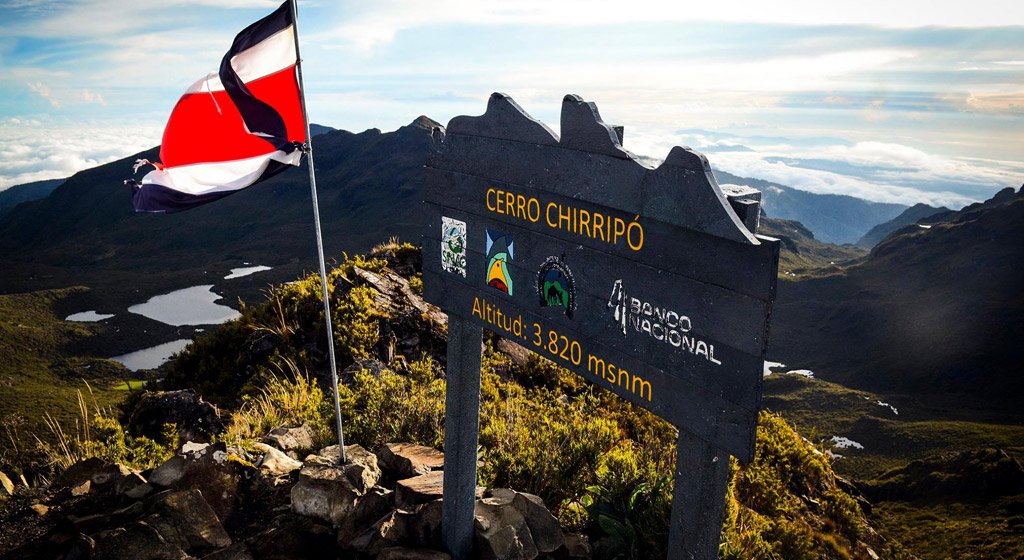
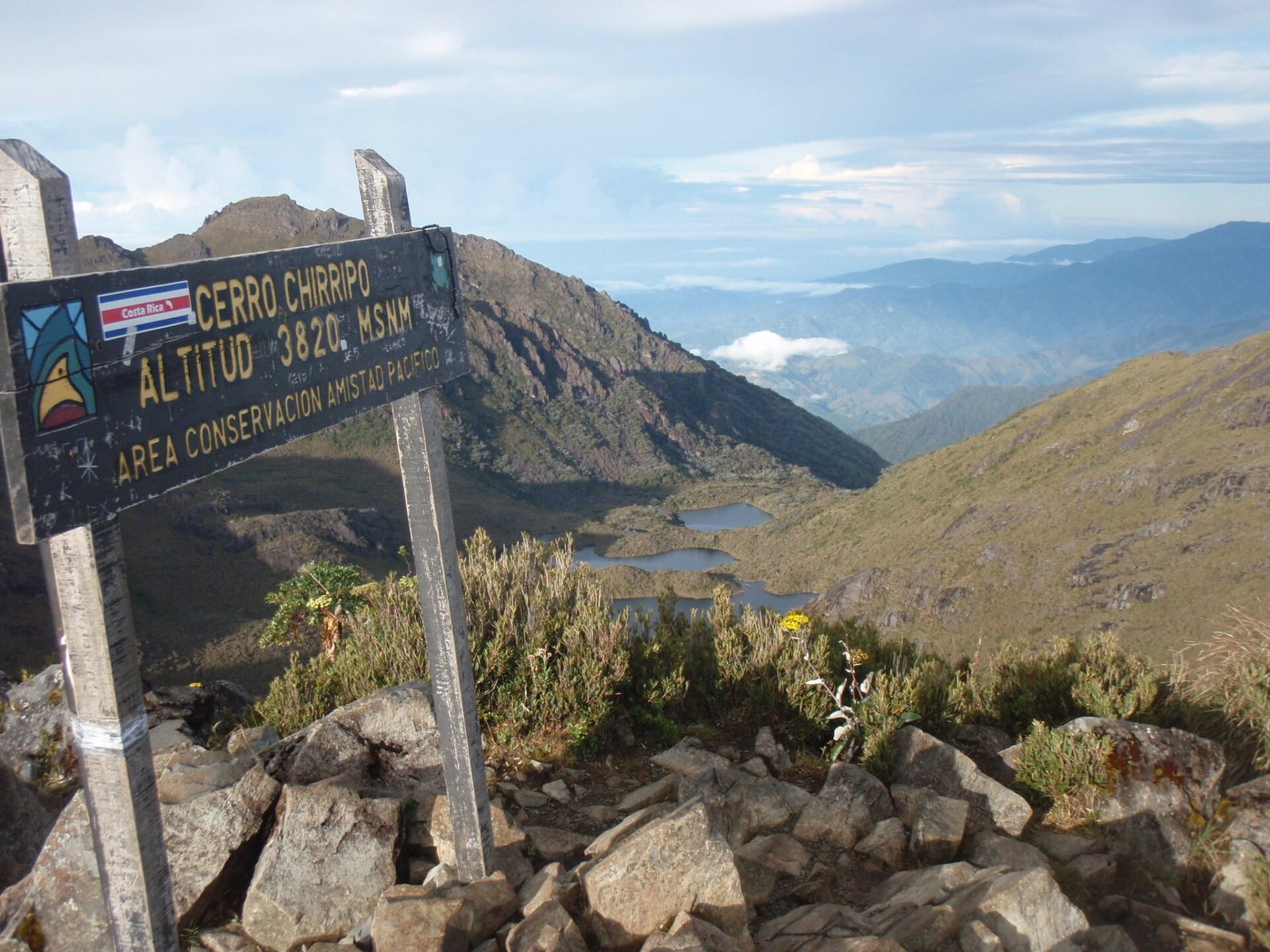
With an official altitude of 3,820 meters (12,533 feet) above sea level, Mount Chirripó is not a volcano, unlike many of Costa Rica’s other famous peaks. It is part of a massif of intrusive igneous and metamorphic sedimentary rocks that were lifted from the seabed millions of years ago by the collision of tectonic plates.
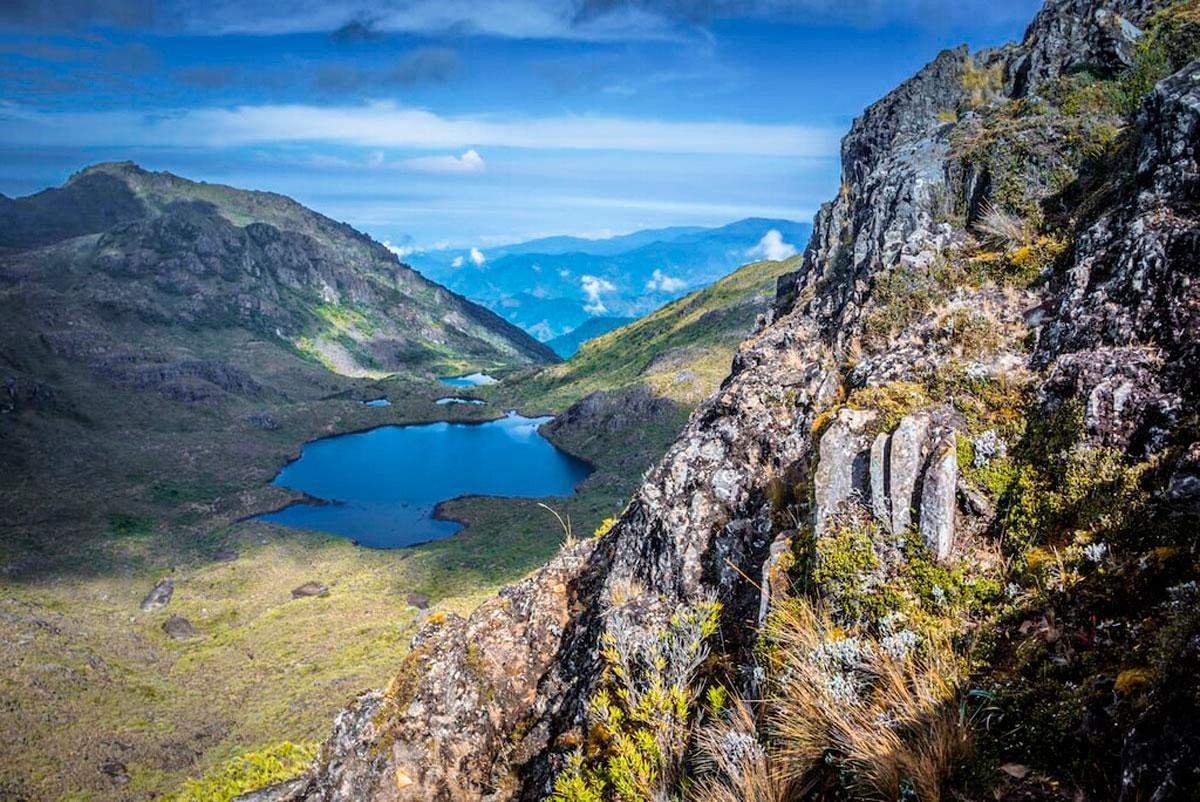
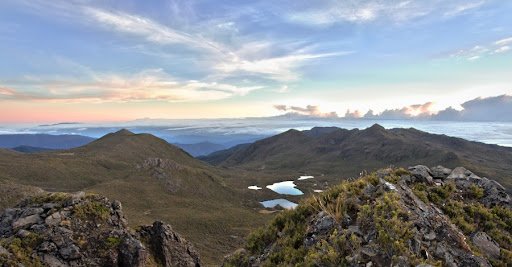
What makes Chirripó geologically fascinating are the unmistakable traces of a glacial past. During the last ice age, some 25,000 years ago, global temperatures dropped low enough for glaciers to form on these peaks. As they moved and retreated, these masses of ice sculpted the landscape, leaving behind an impressive legacy:



- U-Shaped Valleys: Such as the Valle de los Conejos (Valley of the Rabbits), shaped by the passage of a glacier rather than the typical V-shape of a river valley.
- Moraines: Deposits of rocks and sediment dragged and left behind by the glaciers.
- Glacial Lakes: Beautiful and frigid lagoons like Laguna Ditkevi and Lago Grande, which occupy depressions carved by the ice.
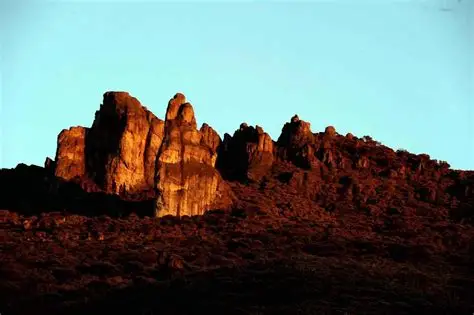
- Cirques and Arêtes: Spectacular, sharp rock formations, like the iconic Los Crestones, which were sharpened by the action of ice and wind.
To visit Chirripó is, in essence, to walk through a tropical landscape that was molded by the same forces that shaped the Alps or the Rocky Mountains.
The Páramo: A High-Altitude Ecosystem
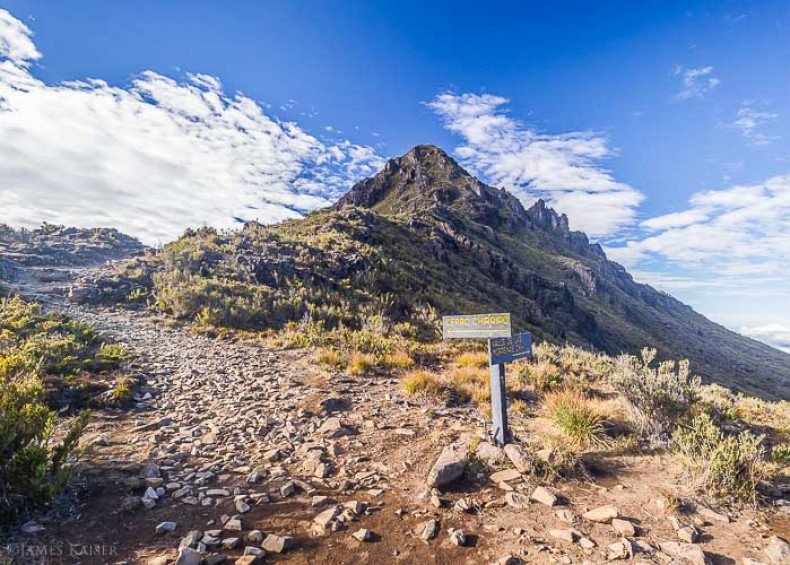
As a hiker ascends the trails of Chirripó, the dense, lush cloud forest gives way to an entirely different and magical ecosystem: the páramo. This is a high-altitude Neotropical ecosystem, found above the treeline (approximately 3,400 meters / 11,150 feet) and below the permanent snowline.
The Chirripó páramo is the most extensive in Costa Rica and features highly specialized vegetation adapted to the harsh conditions of the altitude: high ultraviolet radiation, strong winds, nighttime temperatures that can drop below freezing (0°C / 32°F), and a scarce availability of nutrients. The flora here is a study in resilience:
- Chusquea subtessellata: An endemic dwarf bamboo that dominates vast areas, creating a sea of low-lying vegetation.
- Frailejones and Puyas: While not the giant frailejones of the Andes, similar plants from the bromeliad and aster families show adaptations like thick, hairy leaves to protect themselves from the cold.
- Mosses and Lichens: They cover rocks and soil, playing a crucial role in water retention.
This ecosystem is a “biological desert” in terms of species diversity compared to the forest below, but its level of endemism (species found only here) is extraordinarily high.


A Refuge for Biodiversity
The park is not just páramo. Its more than 50,000 hectares protect an incredible variety of life zones, including lower montane forests and cloud forests. These forests are home to an impressive and often elusive fauna. They are one of the last great refuges for large mammals in Costa Rica, including the Baird’s tapir (Tapirus bairdii), the country’s largest terrestrial mammal, which can sometimes be spotted even in the highlands. Other inhabitants include pumas, jaguars, and several species of monkeys at lower elevations.
For birdwatchers, Chirripó is a world-class destination. In the cloud forests of the middle slopes, it is possible to find the Resplendent Quetzal (Pharomachrus mocinno), especially during its nesting season. As one ascends, the avifauna changes, with high-altitude specialists like the Volcano Junco (Junco vulcani) and the Long-tailed Silky-flycatcher (Ptilogonys caudatus).
The Pilgrimage to the Summit
The hike to Chirripó is one of Costa Rica’s most iconic adventures. It is not a technical climb, but it is extremely physically demanding. The official trail begins in the town of San Gerardo de Rivas, at about 1,350 meters (4,430 feet) in altitude.
The trek consists of a 14.5-kilometer (9-mile) journey from the trailhead to the Crestones Base Camp, a managed shelter where an overnight stay is mandatory. This first stage is a relentless climb that crosses several ecosystems and tests anyone’s endurance. On the second day, hikers rise before dawn to complete the final 5.1 kilometers (3.2 miles) to the summit, aiming to reach the top to witness a spectacular sunrise. On a clear day, from the peak of Chirripó, one can see both the Pacific Ocean and the Caribbean Sea simultaneously—an unforgettable view that more than rewards the effort.
Due to its popularity and the need to limit human impact, access to the park is strictly regulated by the National System of Conservation Areas (SINAC). Reservations must be made months in advance and sell out quickly.
Visiting Chirripó National Park is much more than climbing a mountain; it is a journey through geological history, an immersion in ecosystems that seem otherworldly, and a profound encounter with the resilience of nature and of oneself. It is, without a doubt, a summit experience in every sense of the word.