




Yellow‑throated Toucan

Ramphastos ambiguus swainsonii Gould, 1833

Also known / common namesSpanish – Tucán pico castaño, Tucán piquiamarillo; Bribri – Bríkwa‑suló; Cabécar – Tsá‑yum

Yellow‑throated Toucan(s) General Description

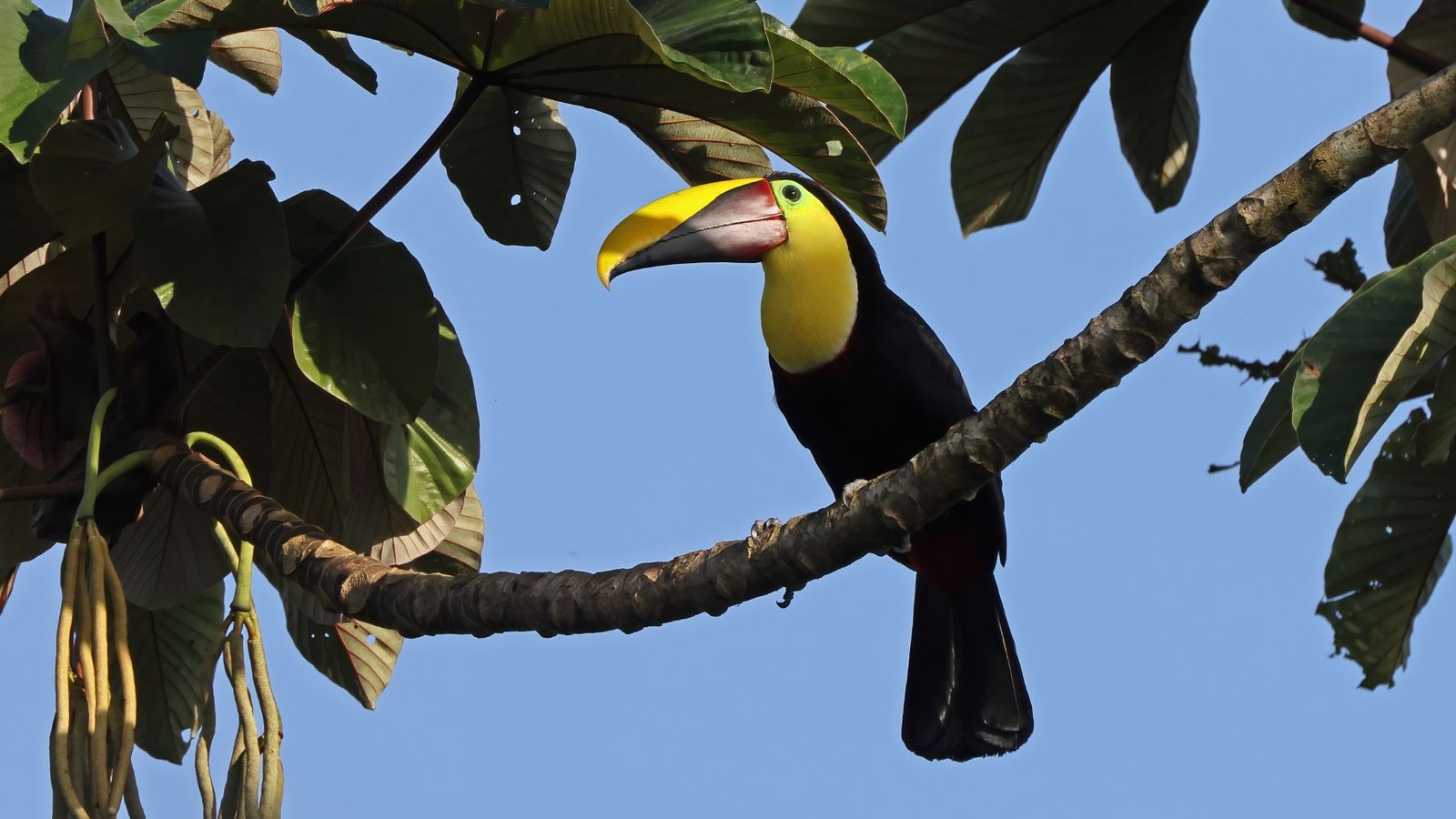
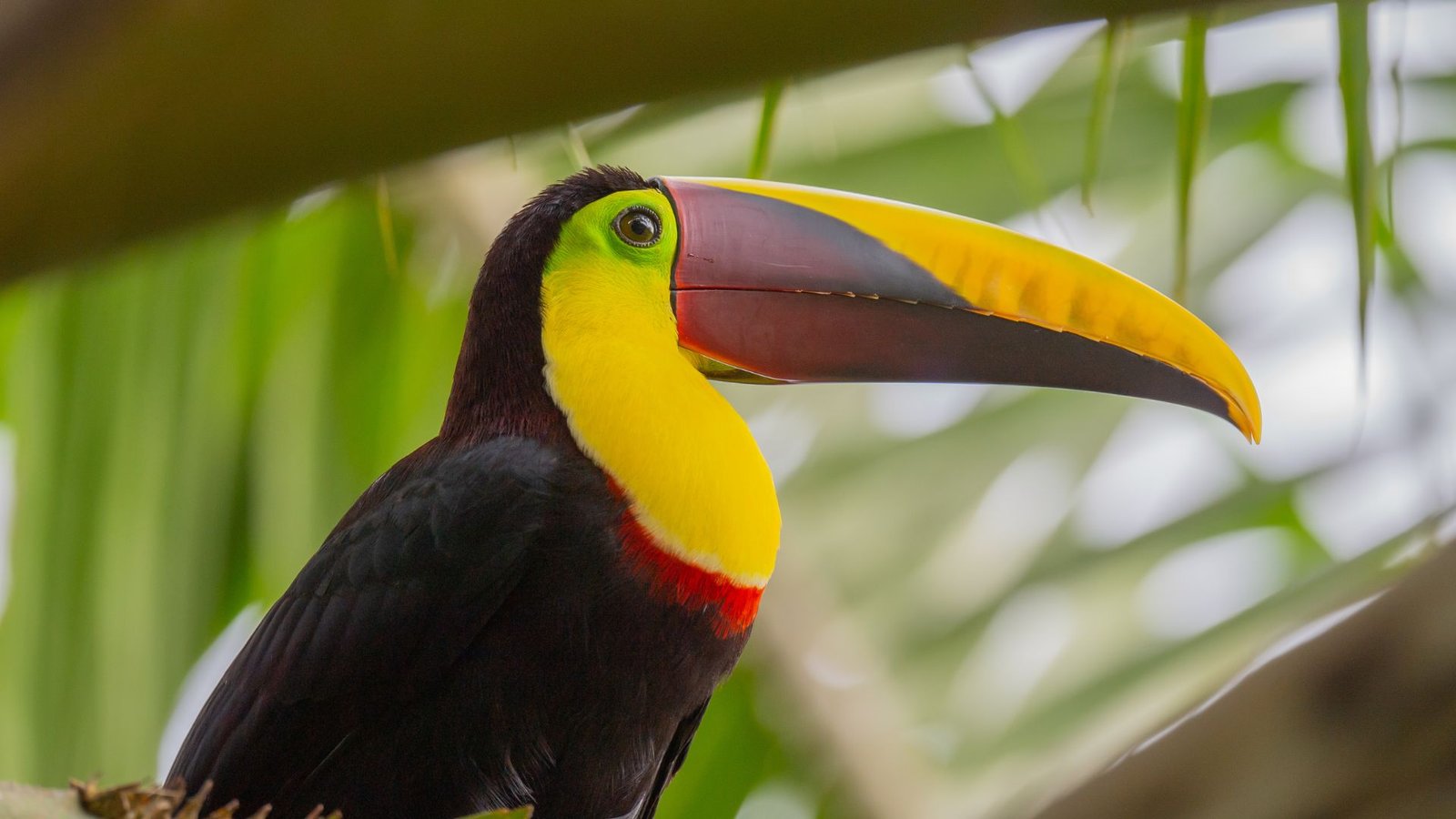
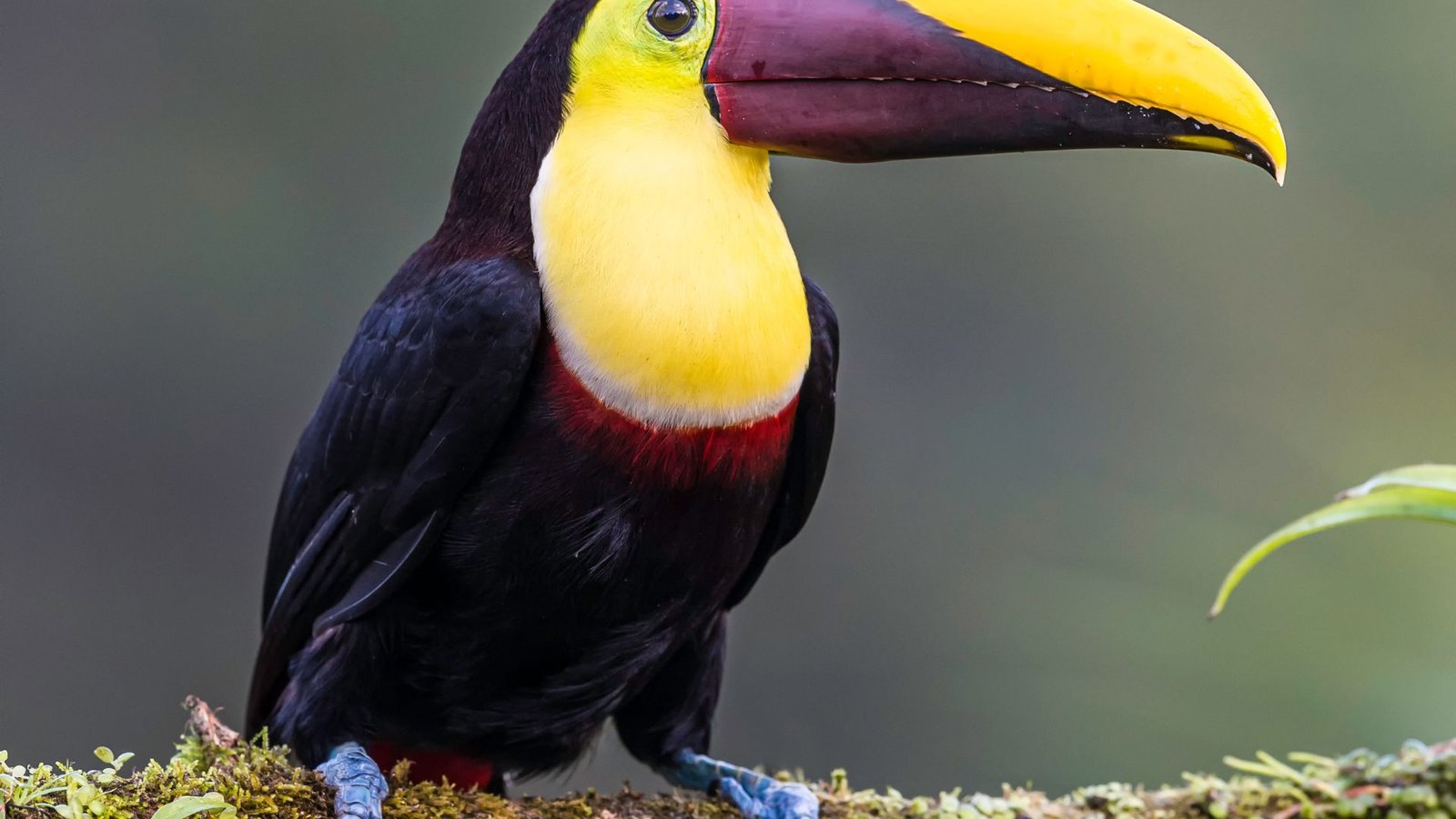
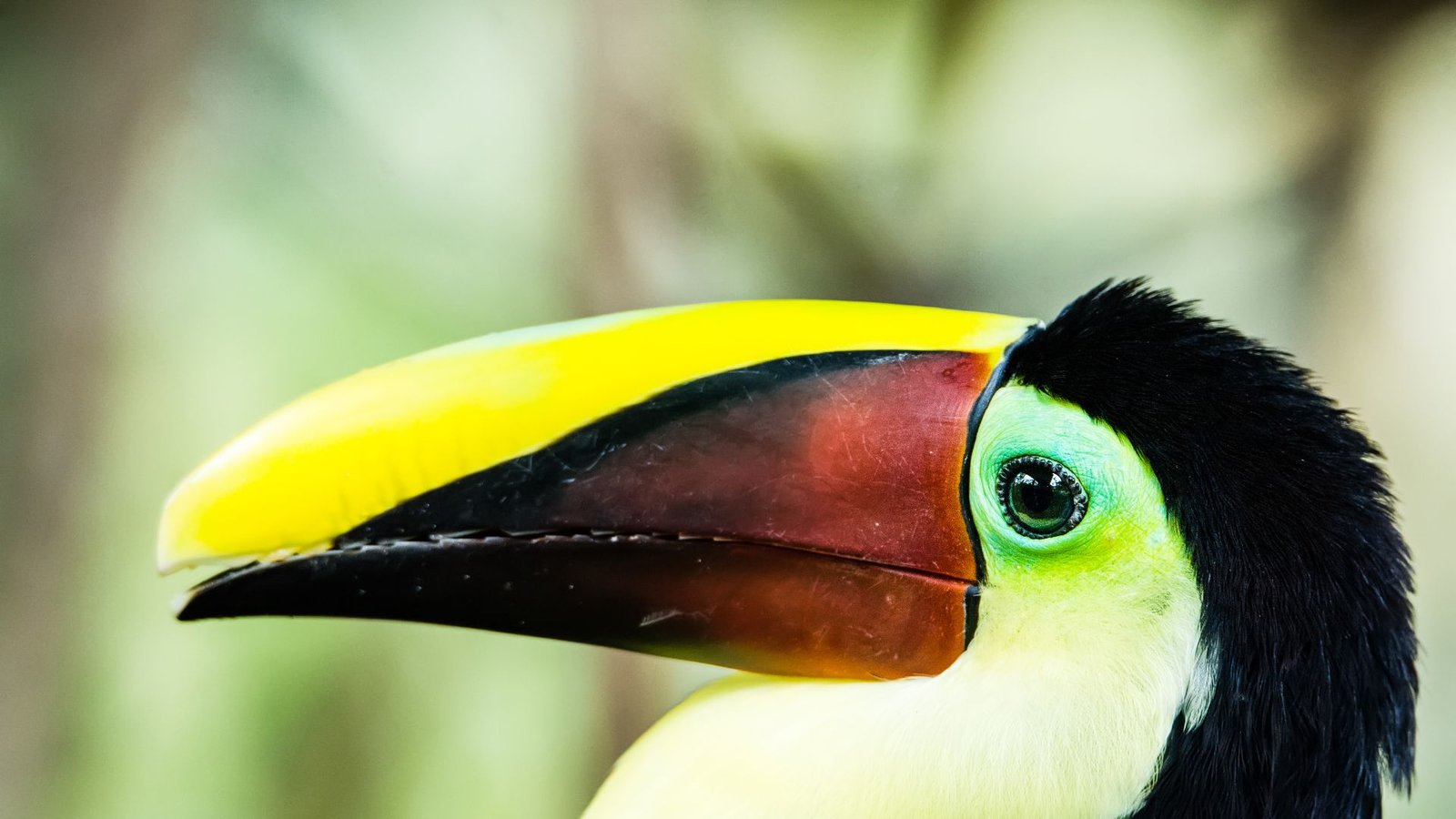
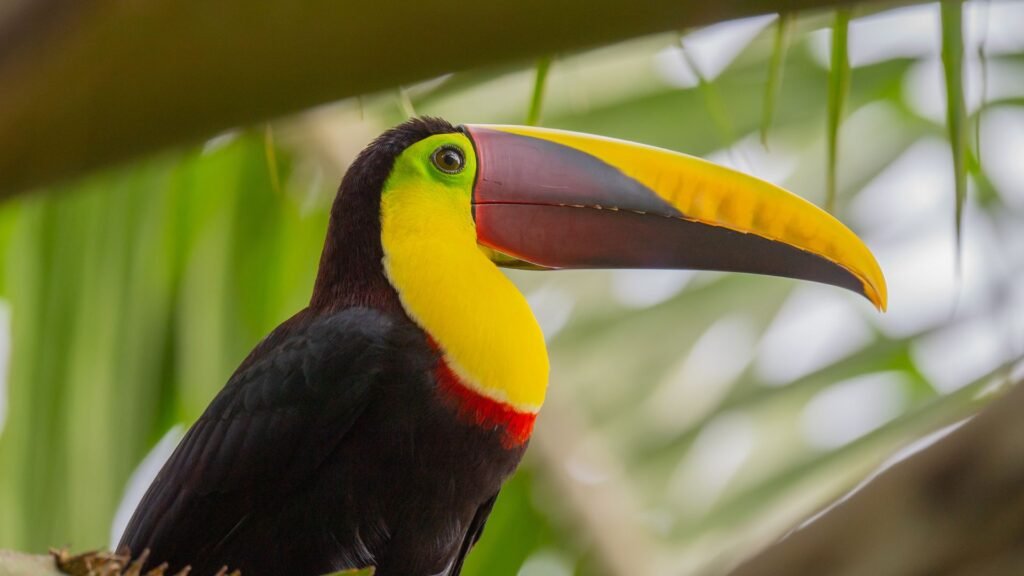
The largest Costa‑Rican toucan (total length 52–61 cm) with velvety black body, saffron‑yellow throat and breast bordered by a narrow red band. Uppertail coverts and undertail are vivid crimson; rump and base of tail olive‑green. The massive laterally compressed bill (15–20 cm) is dark maroon‑brown above and bright yellow on the maxilla, with a green culmen line and sky‑blue base; despite length it is lightweight due to a honey‑comb bony core. Bare facial skin lime‑green; legs pale blue. Sexes identical; juveniles display shorter, duller bills.

Has Sexual Diamorphism?

LIFE‑HISTORY & VITAL STATISTICS OF THE Yellow‑throated Toucan(S)

Average Height / Length / Diameter

Total length 52–61 cm; wingspan 92–100 cm

Average Adult Weight / Mass

540–760 g

Typical Lifespan / Longevity

20–25 yr wild; 30 + yr captivity

Typical Lifespan / Longevity for males

Data deficient

Typical Lifespan / Longevity for Females

Data deficient

Age at Sexual Maturity

≈ 4 yr

Breading Season

February – June (late dry to early wet)

Gestation

Reproductive Outcome

2–4 eggs; one clutch per year

Ecology and Behaviour for Yellow‑throated Toucan(s)

The largest Costa‑Rican toucan (total length 52–61 cm) with velvety black body, saffron‑yellow throat and breast bordered by a narrow red band. Uppertail coverts and undertail are vivid crimson; rump and base of tail olive‑green. The massive laterally compressed bill (15–20 cm) is dark maroon‑brown above and bright yellow on the maxilla, with a green culmen line and sky‑blue base; despite length it is lightweight due to a honey‑comb bony core. Bare facial skin lime‑green; legs pale blue. Sexes identical; juveniles display shorter, duller bills.

Habitat

Occupies mature and tall secondary lowland rain forest, wet premontane forest and mangrove‑backed gallery forest from sea level to ~1 200 m on both Caribbean and south‑Pacific slopes; requires large emergent trees for nesting cavities.

Trophic Chain

Primarily frugivore (~85 % diet) feeding on Ficus, Virola, Iryanthera and Lauraceae; supplements with insects, frogs, lizards and other birds’ eggs; long‑distance seed disperser

Interespecies relationships noted for Yellow‑throated Toucan

No data was found

Social behaviour of Yellow‑throated Toucan

Social Structure & Behaviour

  • Activity pattern: diurnal; heaviest foraging 06:00–10:00 and 15:00–17:30.

  • Group size: travel in small flocks of 4–10; communal roosts up to 20 in hollow trees.

  • Breeding system: seasonal monogamy; both sexes excavate/clean pre‑existing cavities 15–30 m high.

  • Territoriality: pairs defend immediate nest vicinity; home ranges ≥ 50 ha overlap widely.

  • Communication: loud yelping “yo‑yelp” series; bill clattering, head bowing and mutual preening for pair bonding.

  • Special behaviours: engage in bill jousting play; thermal regulation via bill vasodilation; regurgitate seeds intact, enhancing germination success of large‑seed trees.

Distribution and Sighthings ofYellow‑throated Toucan(s) in Costa Rica

General Regions of Costa Rica where to find Yellow‑throated Toucans

Tropical
Caribbean Sea

National Parks and Reserves of Costa Rica where to find Yellow‑throated Toucans

Parque Nacional Volcán Arenal
Parque Nacional Braulio Carrillo
Parque Nacional Carara
Parque Nacional Corcovado
Parque Nacional Piedras Blancas
Parque Nacional Tapantí – Macizo Cerro de la Muerte
Parque Nacional Tenorio
Parque Nacional Tortuguero
Parque Nacional Volcán Turrialba
Refugio Nacional de Vida Silvestre Barra del Colorado
Refugio Nacional de Vida Silvestre Camaronal
Refugio Nacional de Vida Silvestre Curú
Refugio Nacional de Vida Silvestre Peñas Blancas

Best Time to seeYellow‑throated Toucan(s) in Costa Rica

Dry Season
January
February
March
April
June
July
August
September
October
November
December

Media

Videos

Sounds and calls

Taxonomy

Conservation Status

Status IUCN

Threats

⚠️Loss of old‑growth nesting trees through selective logging.
⚠️Fragmentation reducing large‑seed fruit availability.
⚠️Illegal nest poaching for pet trade and tourism displays.
⚠️Collision mortality with power lines at forest–pasture edges.

Fun Facts

  • Produces frog‑like croaks audible 1 km through forest.

  • Can regurgitate indigestible seed cores up to 25 mm across, aiding seed survival.

  • Roosts in groups of 3–6, tucking the bill under back feathers and rotating tail forward to fit narrow cavities.

  • Bill surface temperature can drop 10 °C within minutes after sunset.

Origins & Record

Origin Status

Native

Population trend

Decreasing

Added by

Reviewed by

More Species

Galapagos Shark

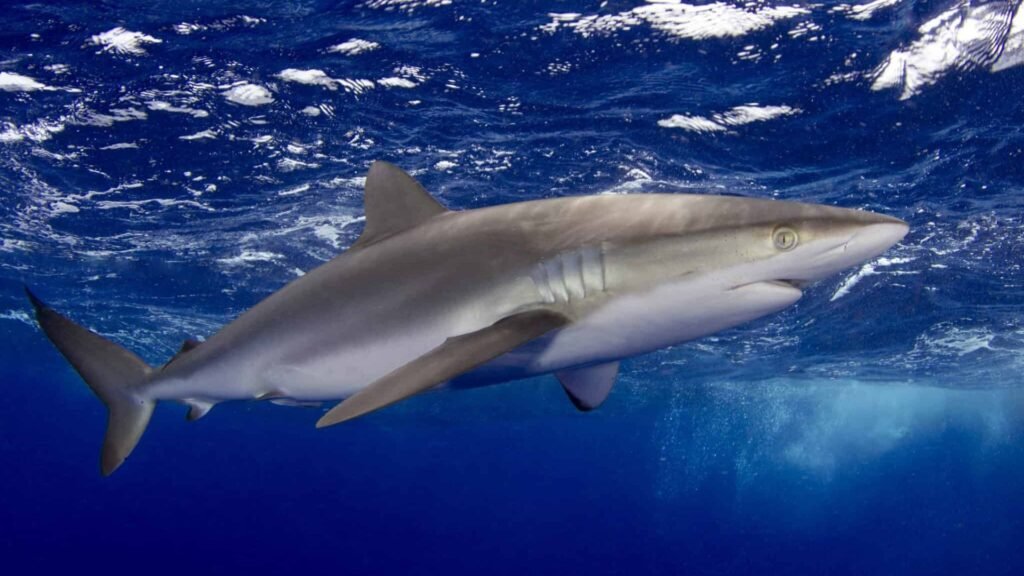
Robust requiem shark with fusiform body and high, slightly rounded first dorsal fin whose origin lies over (or just anterior to) the free rear tip of the pectorals. Snout long, broad and rounded; eyes circular with nictitating membrane. Dorsum uniform grey‑brown, ventrum white; no prominent flank markings.

Read More »