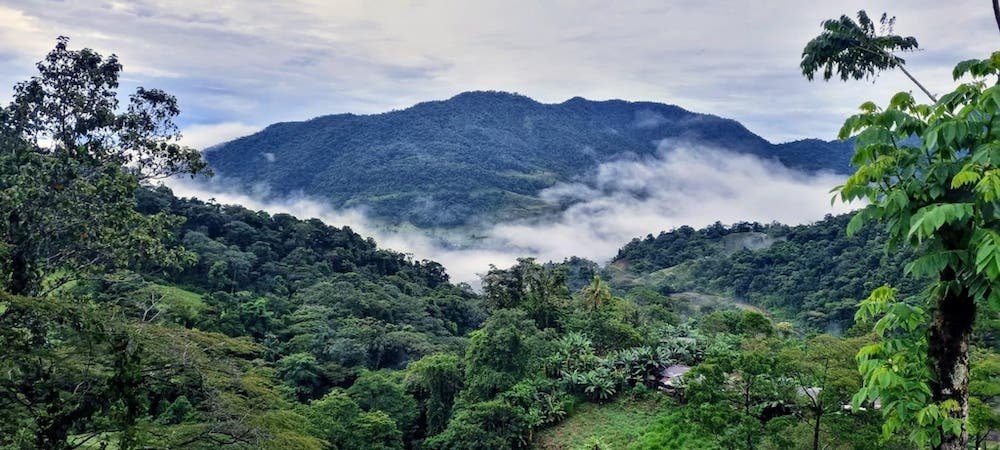
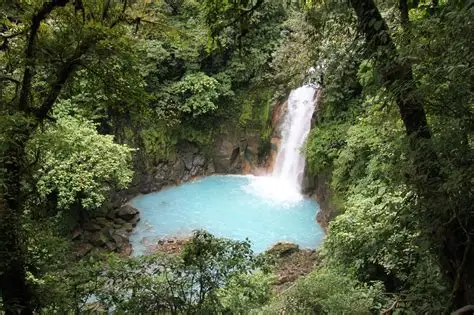
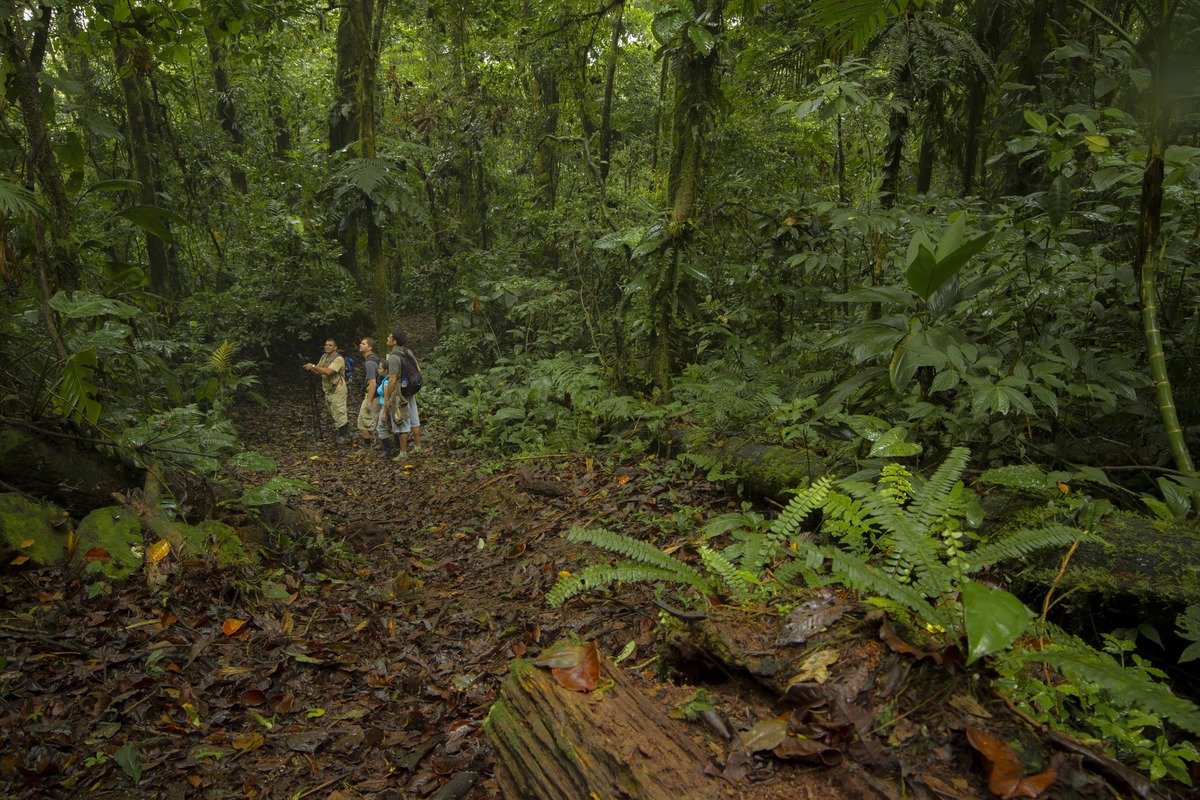
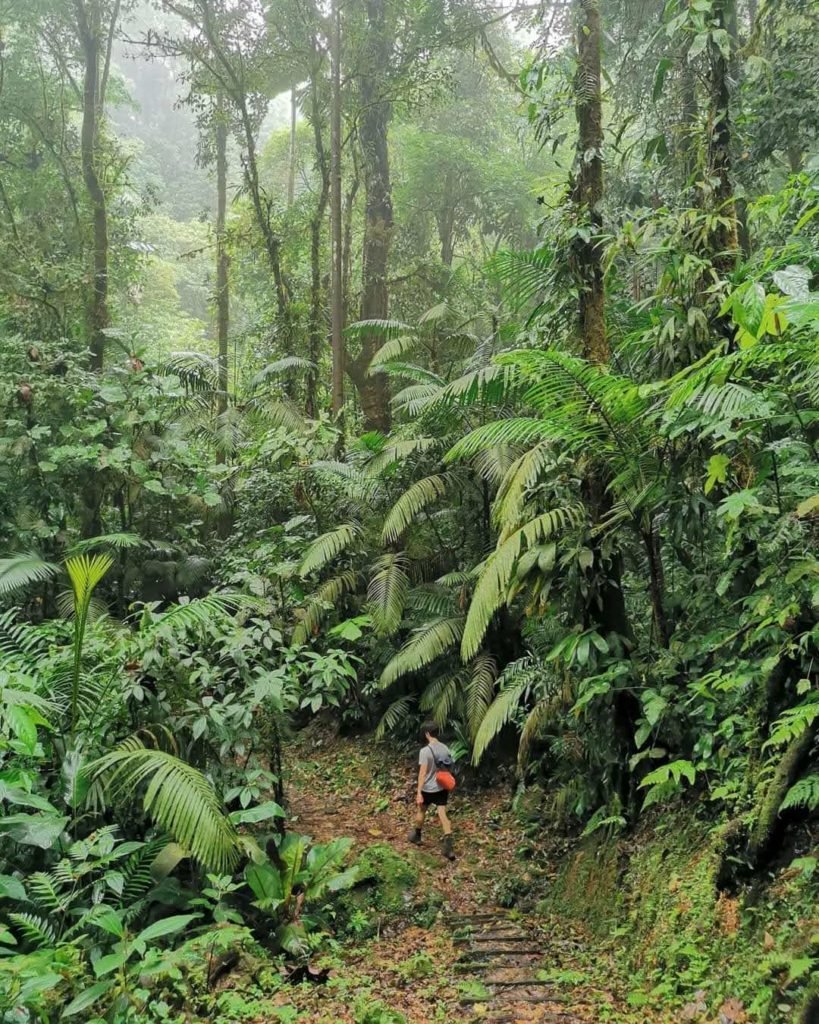
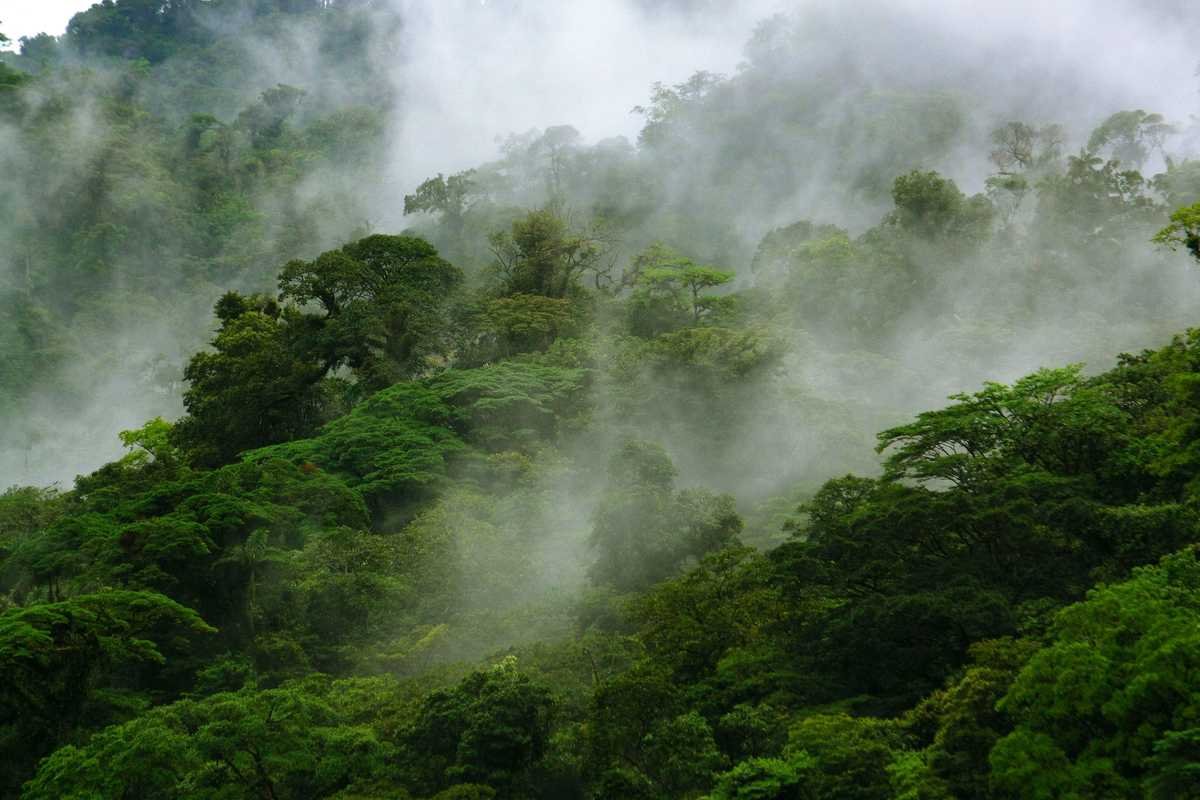
Secondary forests are woodlands that regrow naturally or through restoration after the clearing or degradation of original primary forests. In Costa Rica, secondary forests are common across all regions and represent a mosaic of biodiversity depending on age, location, and disturbance history. These forests can host diverse plant and animal life, serve as biological corridors, and play a critical role in carbon capture, soil stabilization, and ecosystem recovery. With time and protection, many secondary forests transition into mature, complex systems resembling primary forest structure.
Threats for Secondary Forest
Ecosystem Type
Ecosystem classification is a way of organizing the Earth’s living environments into distinct groups based on shared characteristics like climate, vegetation, soils and topography. By grouping similar habitats—say tropical rainforests, mangroves or dry forests—scientists and land managers can compare ecological processes, conservation needs and resource uses more effectively.
Type: Regenerating forest ecosystem
Holdridge live zone: Occur within all major life zones: tropical dry forest, moist forest, wet forest, premontane forest, etc.
Avarage Altitude: 0–2,500 meters above sea level
Avarage Climate: Matches original biome (can be dry, humid, or cloud forest)
Precipitations: 1,200–6,000 mm depending on region and life zone
Where in Costa Rica can you find Secondary Forest?
Biological corridors (e.g., San Juan–La Selva, Volcánica Central)
Private reserves and reforestation projects
Additonal Data.
Accesibility: High (often near human settlements, farms, or park edges)
Best Season to visitSecondary Forest
All year, with notable differences in vegetation density between seasons
Comments and notes
Secondary forests are essential to Costa Rica’s reforestation and biodiversity conservation strategies. While less complex than primary forests, they offer hope for ecosystem recovery and can host key species within a few decades of regrowth.
Remarcable Fauna in Secondary Forest
No data was found
Remarcable Florga in Secondary Forest
Remarcable Fungi in Secondary Forest
Ecosystem Type
Ecosystem classification is a way of organizing the Earth’s living environments into distinct groups based on shared characteristics like climate, vegetation, soils and topography. By grouping similar habitats—say tropical rainforests, mangroves or dry forests—scientists and land managers can compare ecological processes, conservation needs and resource uses more effectively.
Type: Regenerating forest ecosystem
Holdridge live zone: Occur within all major life zones: tropical dry forest, moist forest, wet forest, premontane forest, etc.
Avarage Altitude: 0–2,500 meters above sea level
Avarage Climate: Matches original biome (can be dry, humid, or cloud forest)