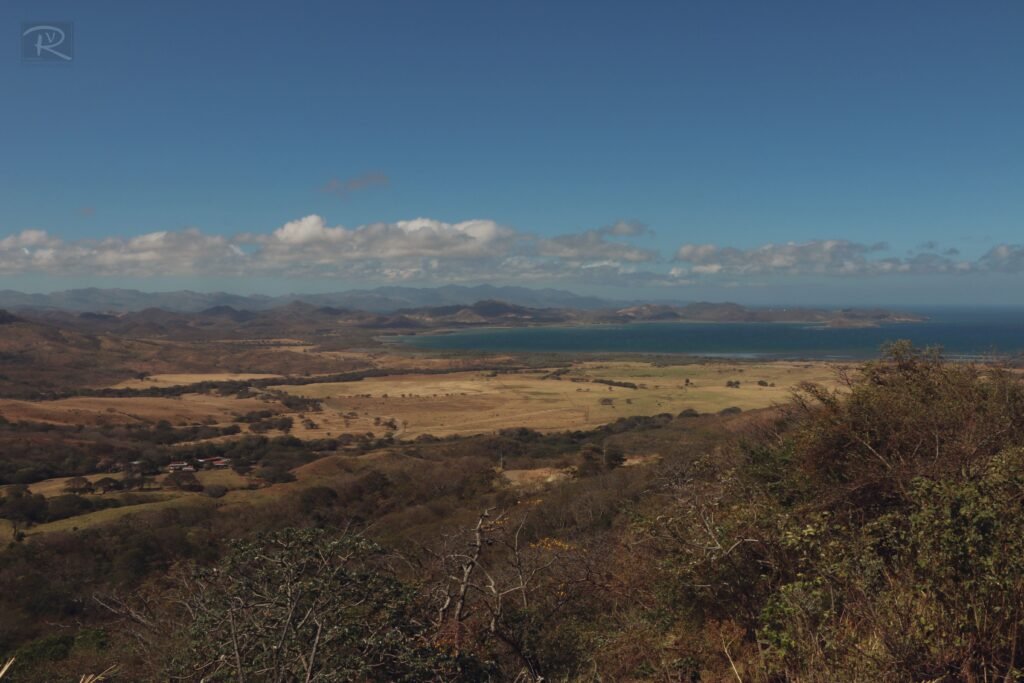
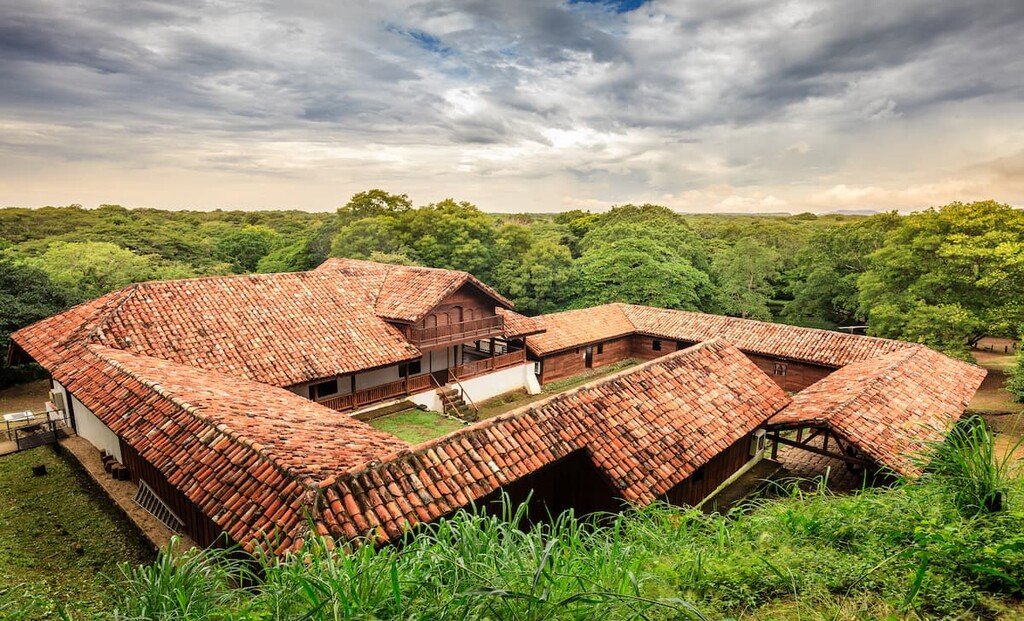
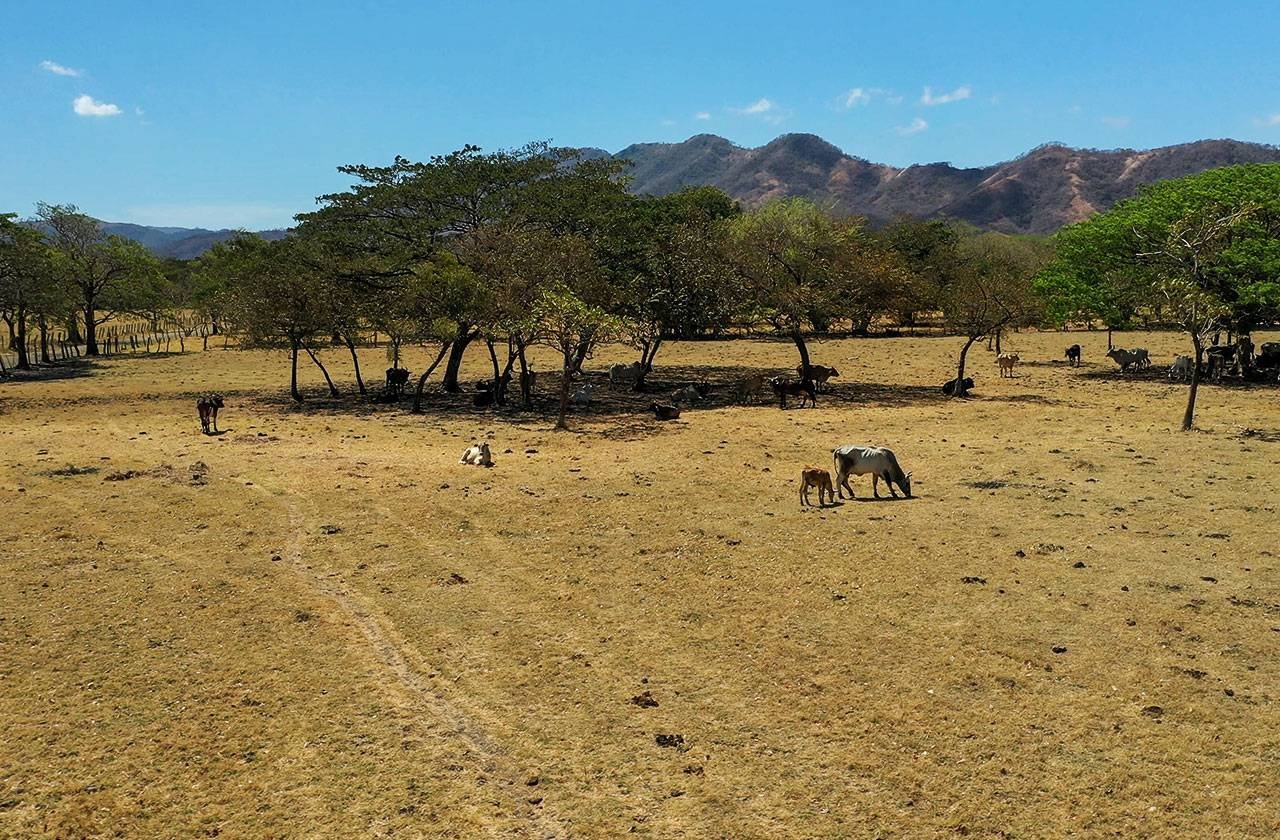
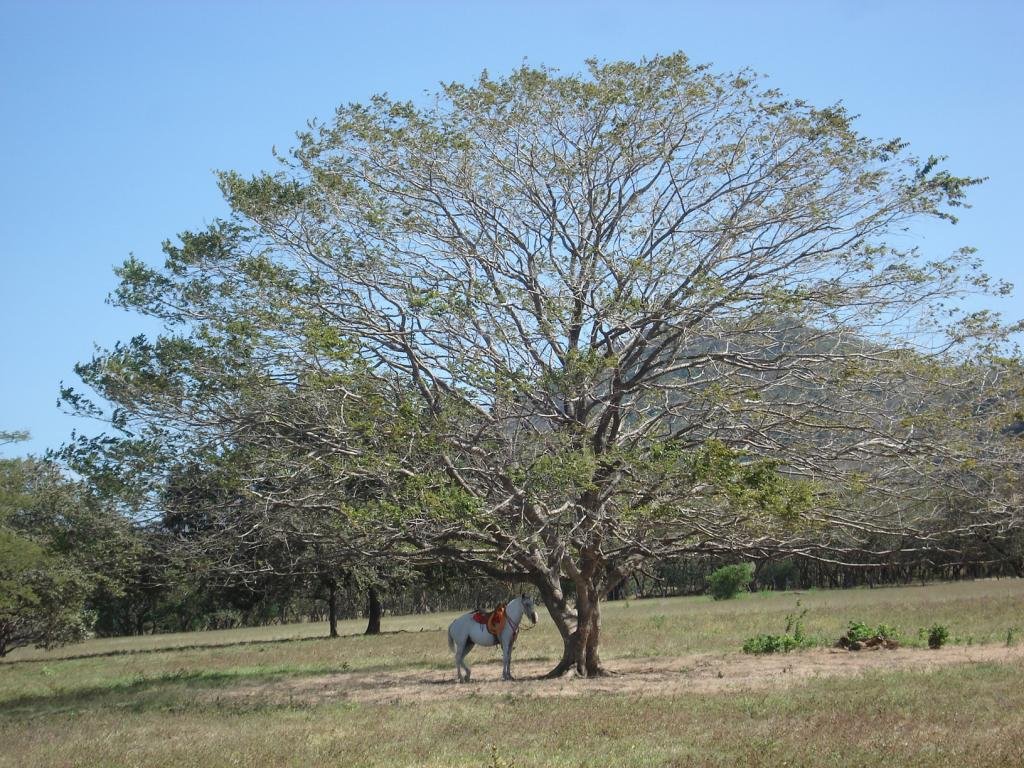
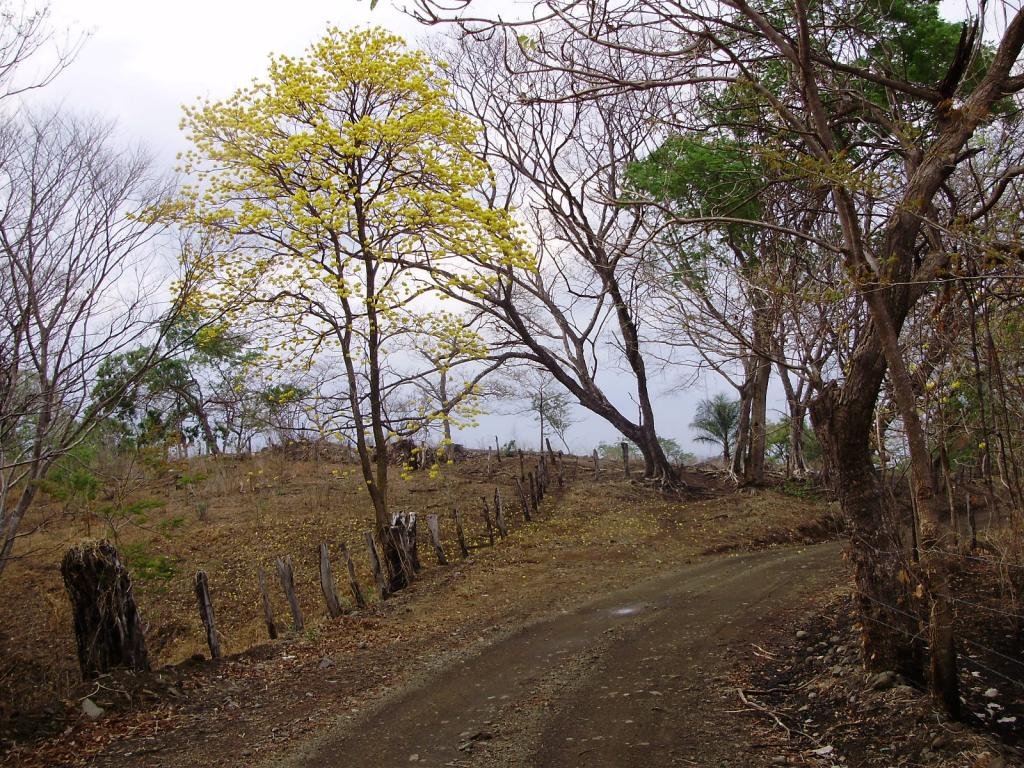
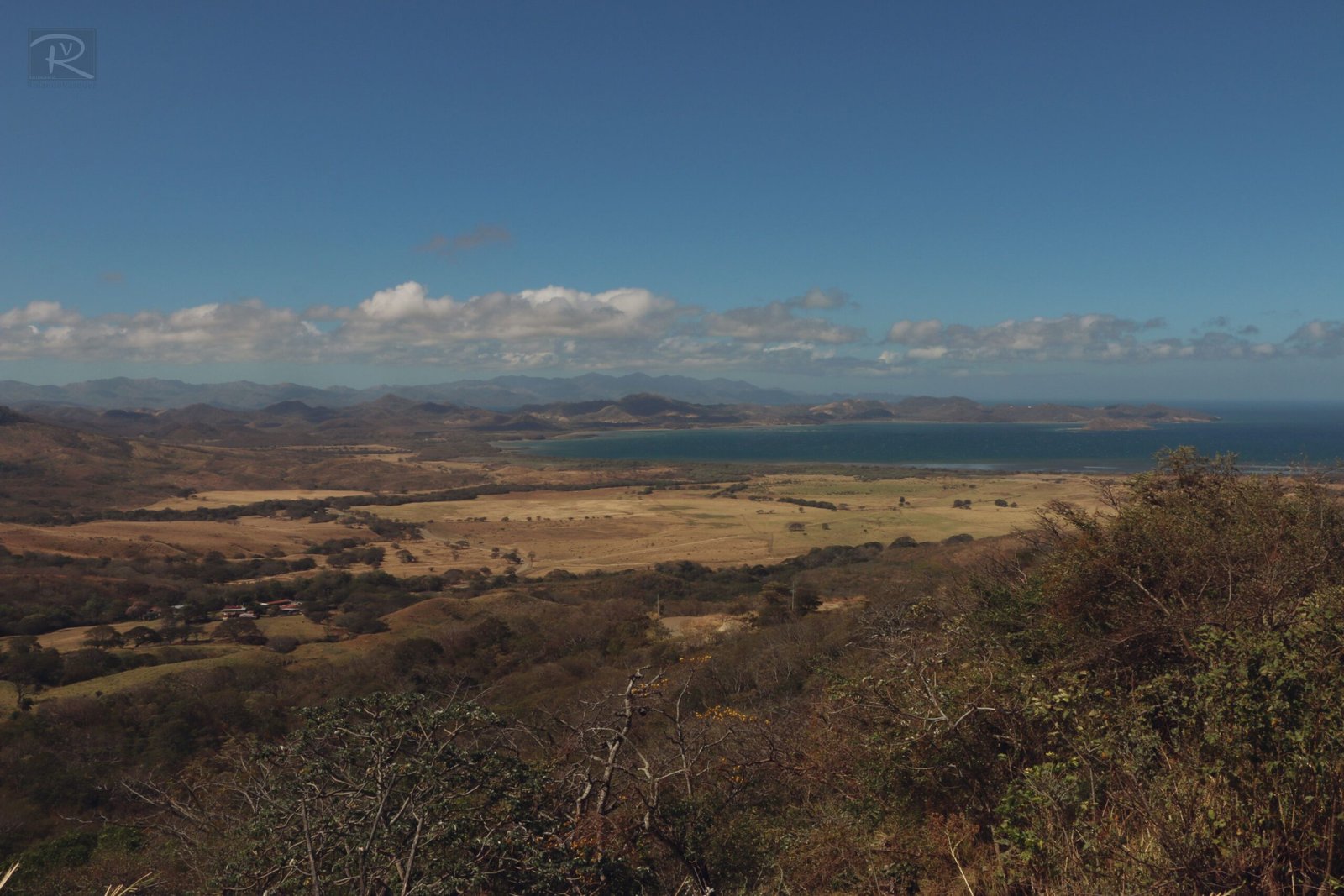
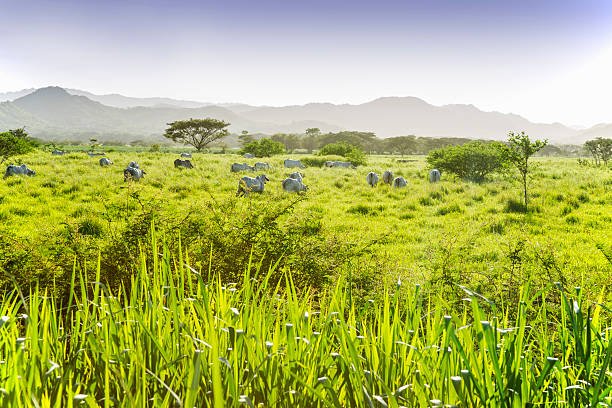
Savanna ecosystems in Costa Rica are open landscapes dominated by grasses, scattered trees, and shrubs, often found in regions with marked dry seasons and periodic fires. While natural savannas are rare, some areas in Guanacaste and the northern Pacific lowlands resemble savanna structure due to a combination of soil conditions, fire regimes, and human activity (e.g., historical grazing and burning). These ecosystems support a distinct set of wildlife adapted to open, sunny, and dry environments.
Threats for Savanna Ecosystem
Ecosystem Type
Ecosystem classification is a way of organizing the Earth’s living environments into distinct groups based on shared characteristics like climate, vegetation, soils and topography. By grouping similar habitats—say tropical rainforests, mangroves or dry forests—scientists and land managers can compare ecological processes, conservation needs and resource uses more effectively.
Type: Grassland-woodland mosaic
Holdridge live zone: Tropical Dry Forest transition zone; some areas fall under Tropical Moist Forest with savanna physiognomy
Avarage Altitude: 0–800 meters above sea level
Avarage Climate: Hot, dry tropical with long dry seasons and short wet periods
Precipitations: 1,200–2,000 mm annually, with up to 6 months of dry season
Where in Costa Rica can you find Savanna Ecosystem?
📍Guanacaste lowlands (Liberia, Santa Cruz)
📍Nicoya Peninsula (transitional areas)
📍Tempisque Basin edges
📍Areas historically converted for cattle grazing
Conservartion areas for Savanna Ecosystem
%nombre_de_la_organzación_o_proyecto%
%nombre_de_la_organzación_o_proyecto%
%nombre_de_la_organzación_o_proyecto%
%nombre_de_la_organzación_o_proyecto%
Threats for Savanna Ecosystem
⚠️Conversion to pasture and agriculture
⚠️Fire mismanagement and suppression of natural fire cycles
⚠️Invasive grasses and tree species
⚠️Urban expansion in dry Pacific regions
National Parks and reserves with this habitat
Santa Rosa National Park (historic savanna restoration efforts)
Guanacaste Conservation Area (managed grassland restoration)
Accesibility: High (often adjacent to roads or towns in dry regions)
Best Season to visitSavanna Ecosystem
Late dry season (March–April) for best visibility and flowering trees
Comments and notes
Highly degraded and fragmented; few intact natural savannas remain.
While often seen as degraded or secondary land, savanna ecosystems are important biodiversity reservoirs and may reflect pre-Columbian land management practices. Their restoration can provide key corridors between forest patches and open spaces for native mammals and raptors.
Remarcable Fauna in Savanna Ecosystem
No data was found
Remarcable Florga in Savanna Ecosystem
Remarcable Fungi in Savanna Ecosystem
Ecosystem Type
Ecosystem classification is a way of organizing the Earth’s living environments into distinct groups based on shared characteristics like climate, vegetation, soils and topography. By grouping similar habitats—say tropical rainforests, mangroves or dry forests—scientists and land managers can compare ecological processes, conservation needs and resource uses more effectively.
Type: Grassland-woodland mosaic
Holdridge live zone: Tropical Dry Forest transition zone; some areas fall under Tropical Moist Forest with savanna physiognomy
Avarage Altitude: 0–800 meters above sea level
Avarage Climate: Hot, dry tropical with long dry seasons and short wet periods