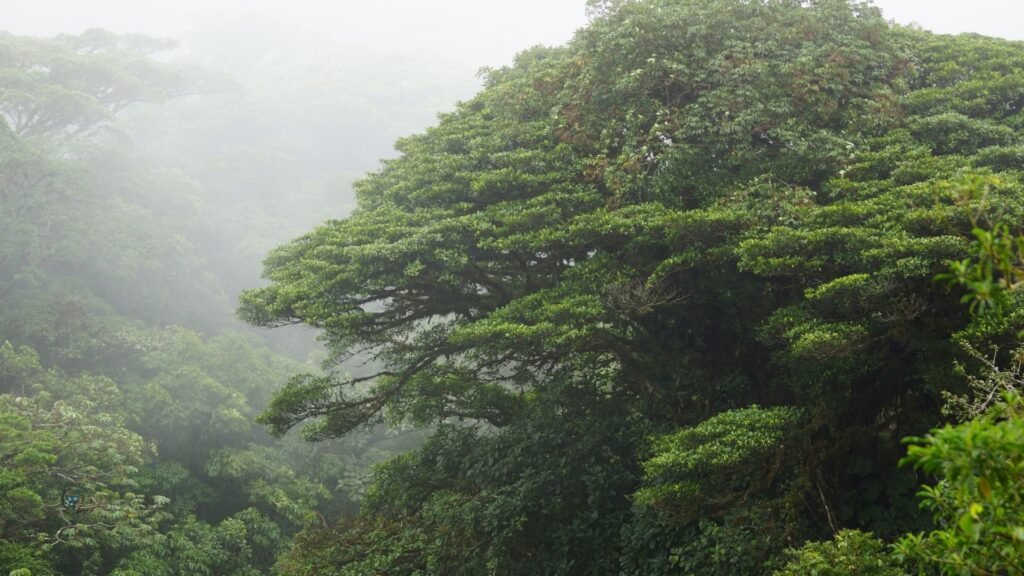
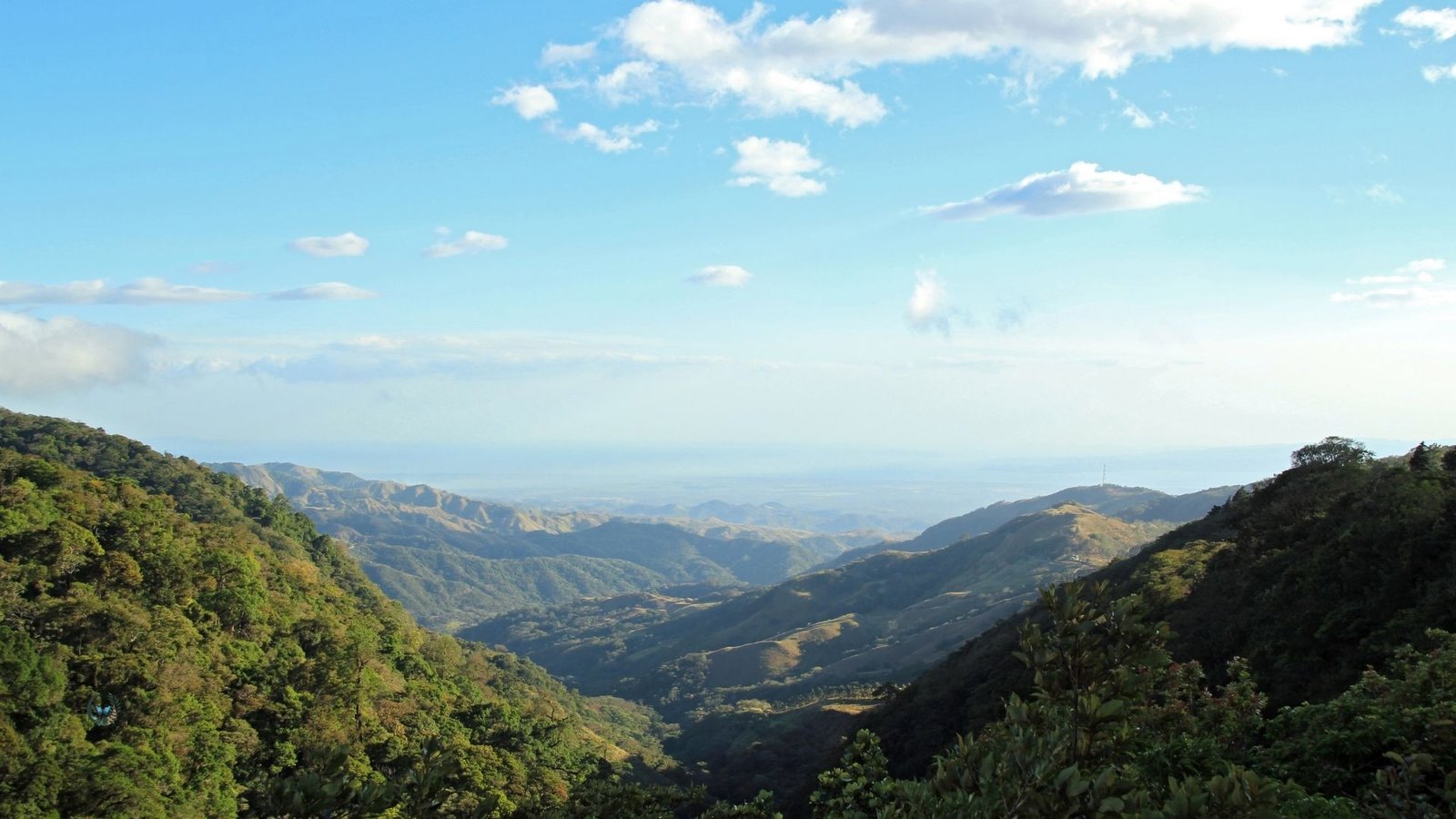
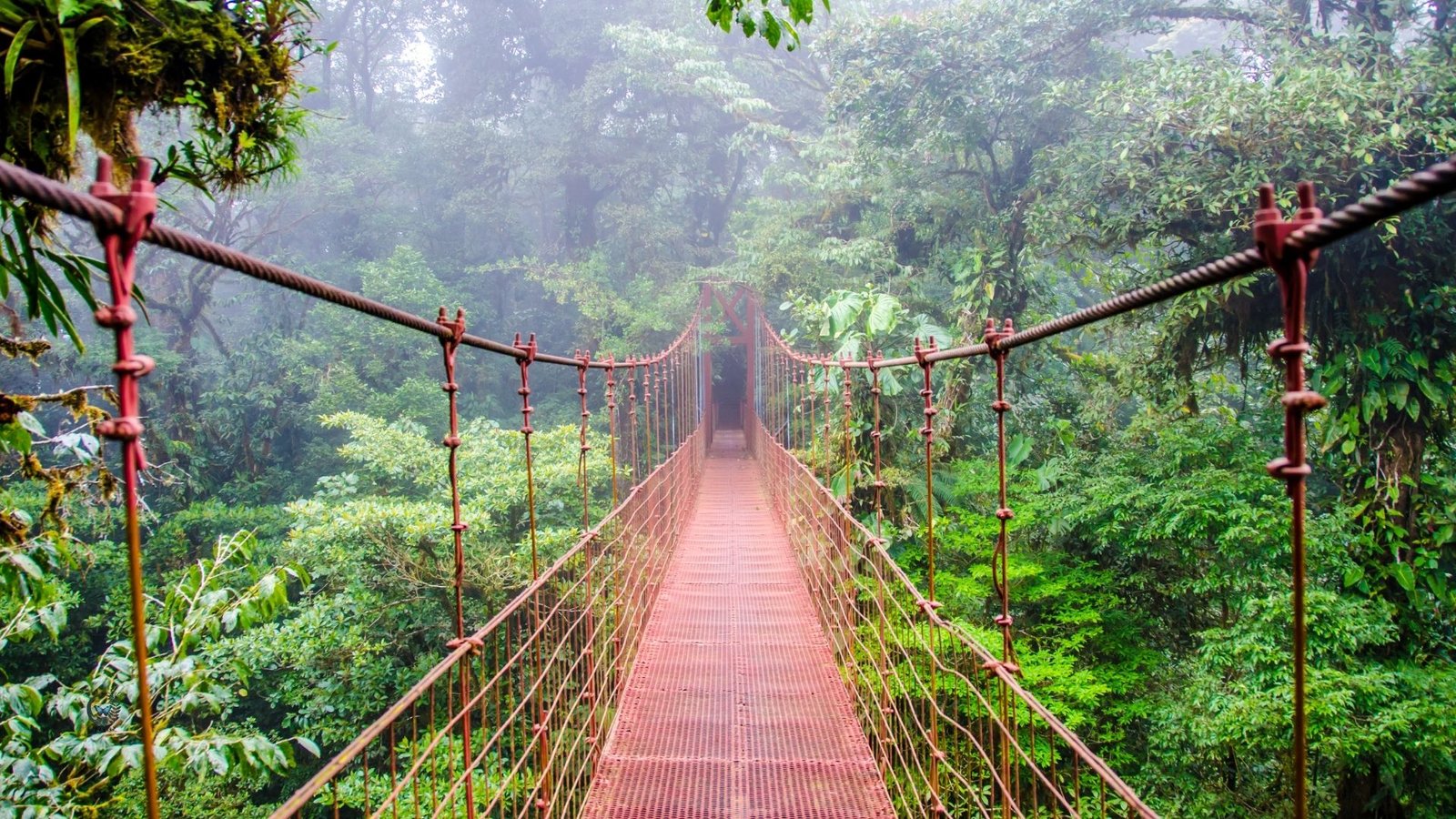
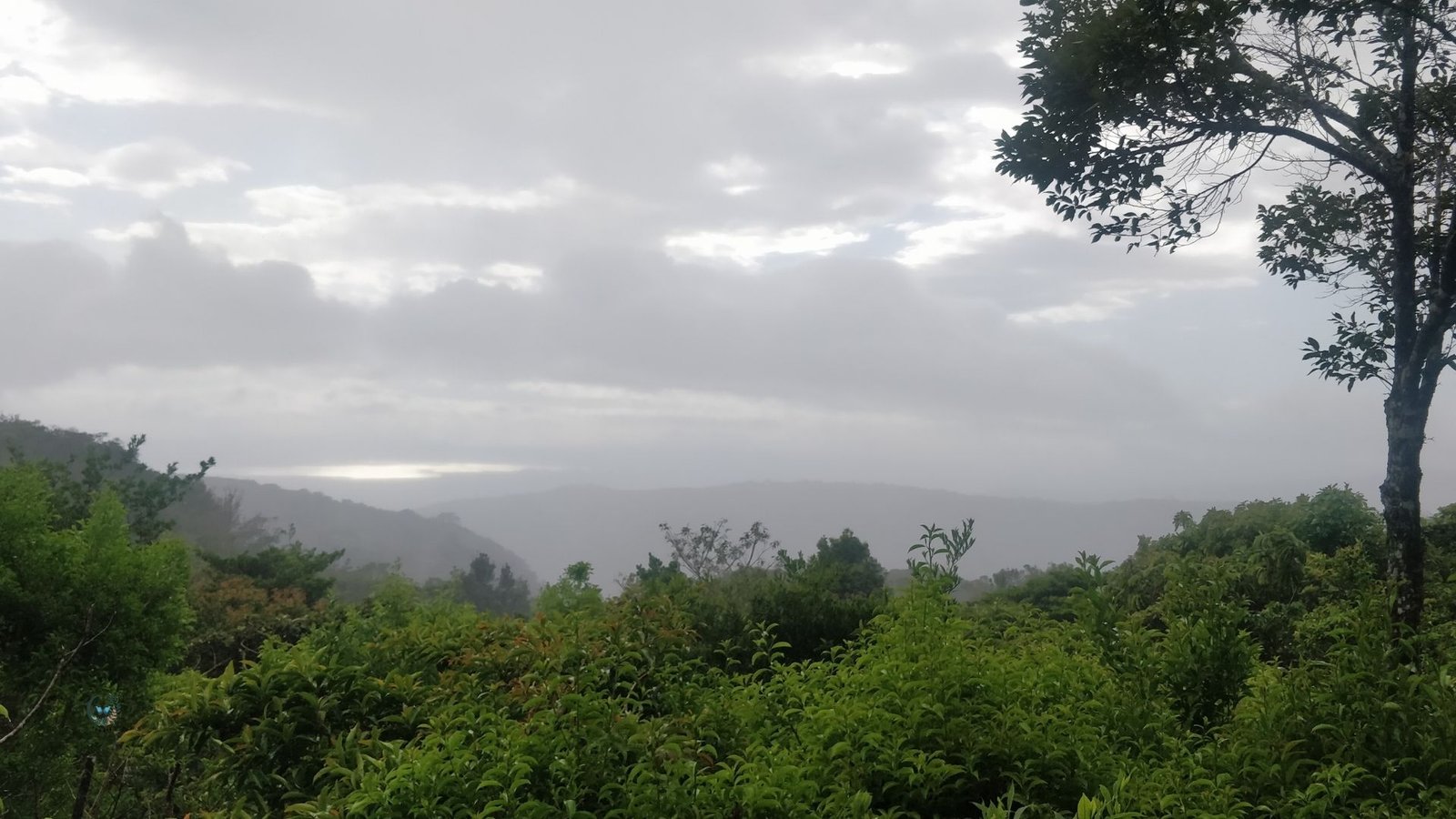
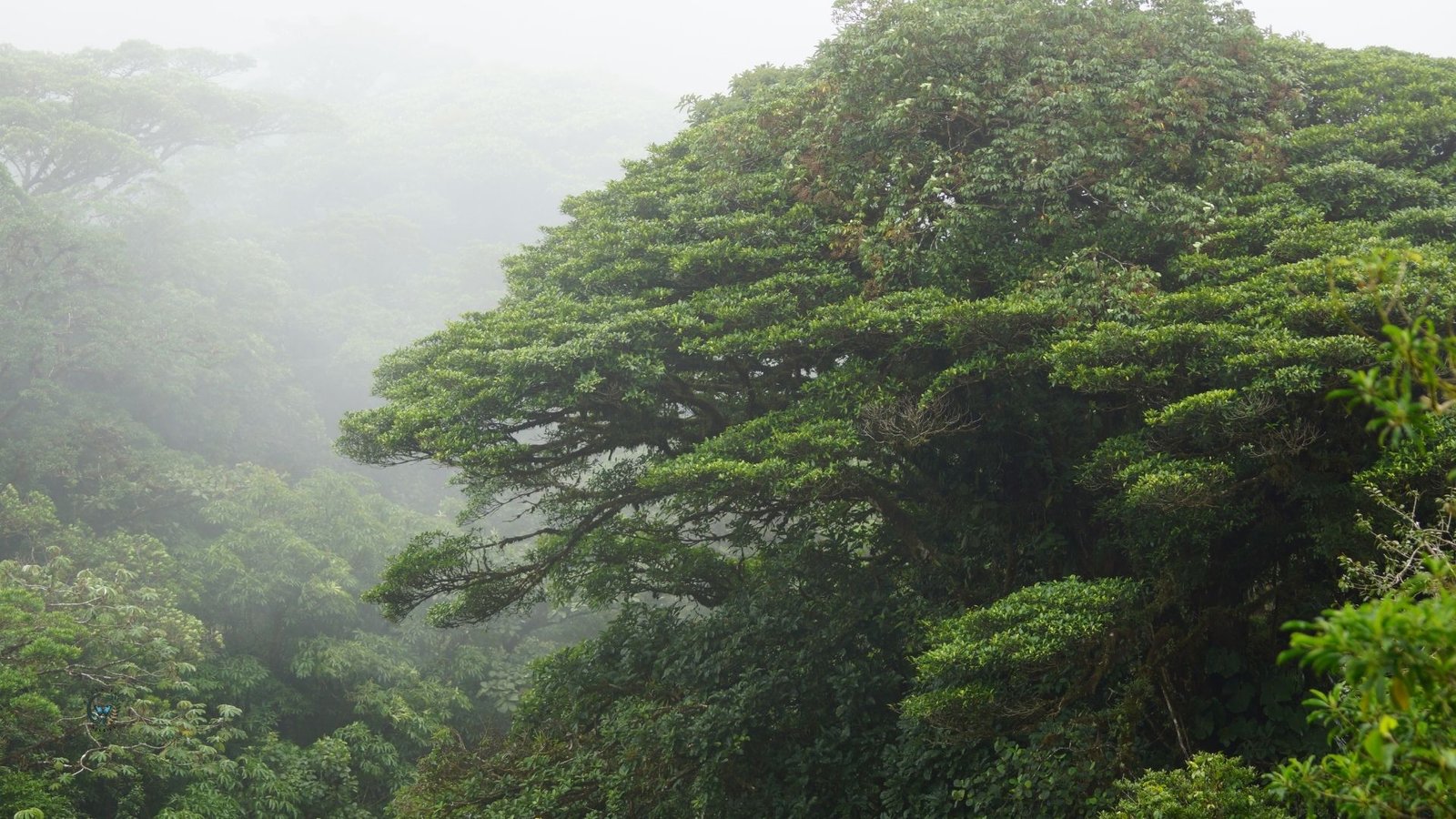
Cloud forests are high-elevation, moisture-rich forests that exist in regions where persistent cloud cover at the canopy level creates unique ecological conditions. These forests are lush, dense, and cool, with trees covered in mosses, ferns, orchids, and epiphytes. Constant mist and high humidity support rich biodiversity, including many endemic species. Cloud forests are among the most important water sources in Costa Rica and are crucial for regulating regional climate and hydrology.
Ecosystem classification is a way of organizing the Earth’s living environments into distinct groups based on shared characteristics like climate, vegetation, soils and topography. By grouping similar habitats—say tropical rainforests, mangroves or dry forests—scientists and land managers can compare ecological processes, conservation needs and resource uses more effectively.

Monteverde Cloud Forest Reserve
Braulio Carrillo National Park
Tapantí–Macizo de la Muerte National Park
Los Quetzales National Park
Moderate (hiking trails available in reserves, often require guided tours)
Cloud forests play a vital role in water capture and distribution. Their high endemism and fragile ecosystems make them a priority for conservation. Monteverde, in particular, is a globally recognized biodiversity hotspot and ecotourism destination.
Ecosystem classification is a way of organizing the Earth’s living environments into distinct groups based on shared characteristics like climate, vegetation, soils and topography. By grouping similar habitats—say tropical rainforests, mangroves or dry forests—scientists and land managers can compare ecological processes, conservation needs and resource uses more effectively.