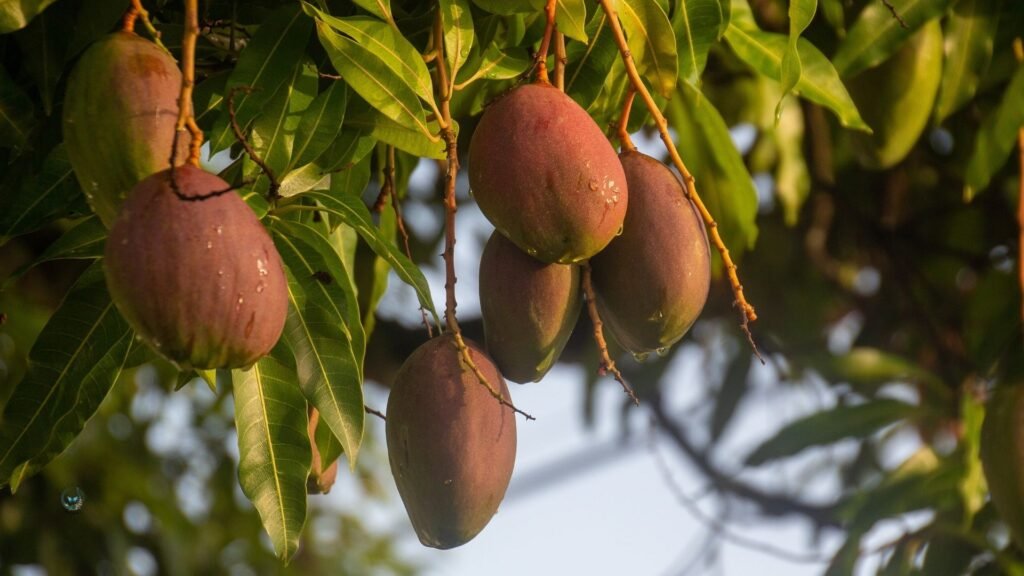
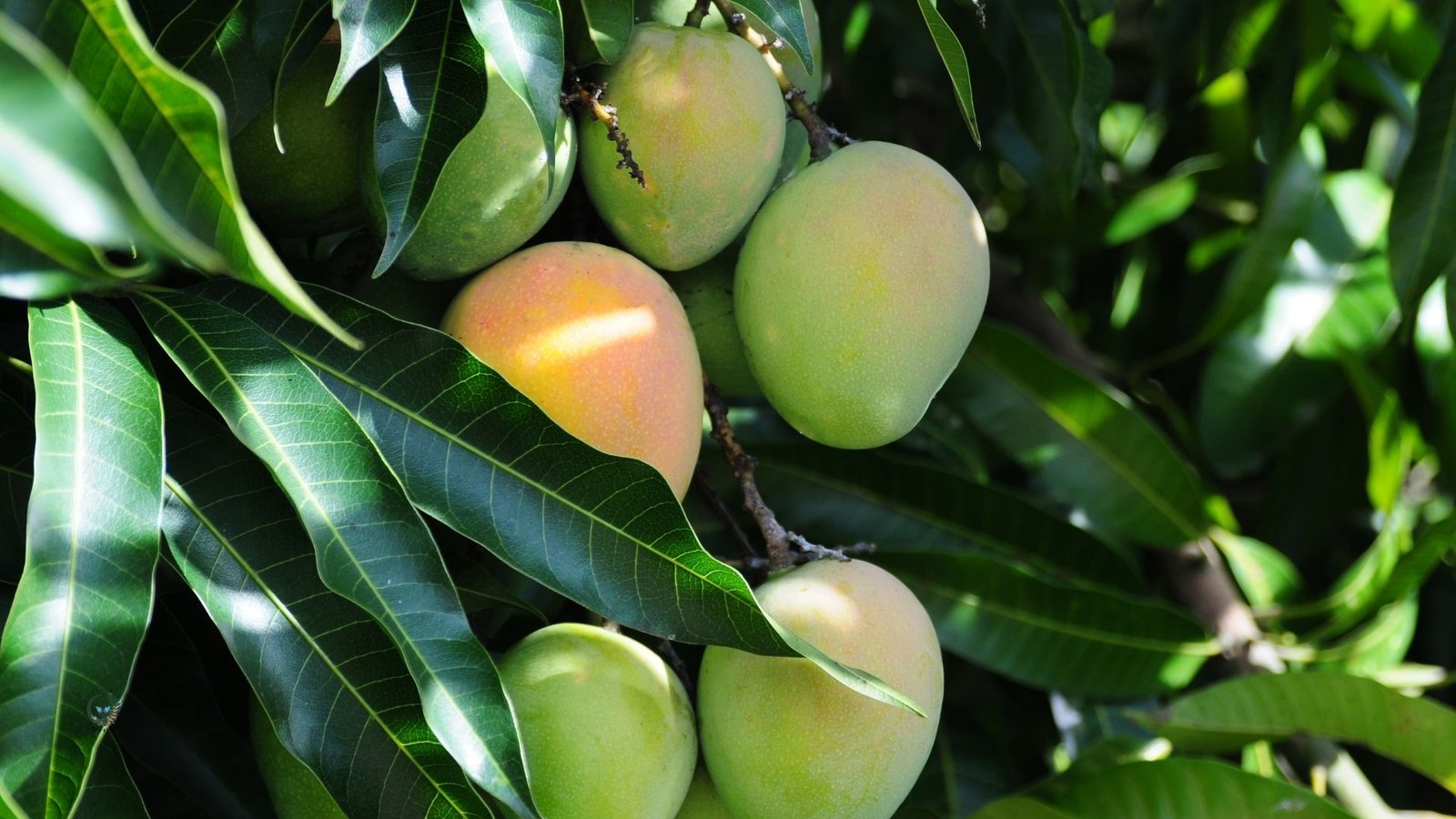
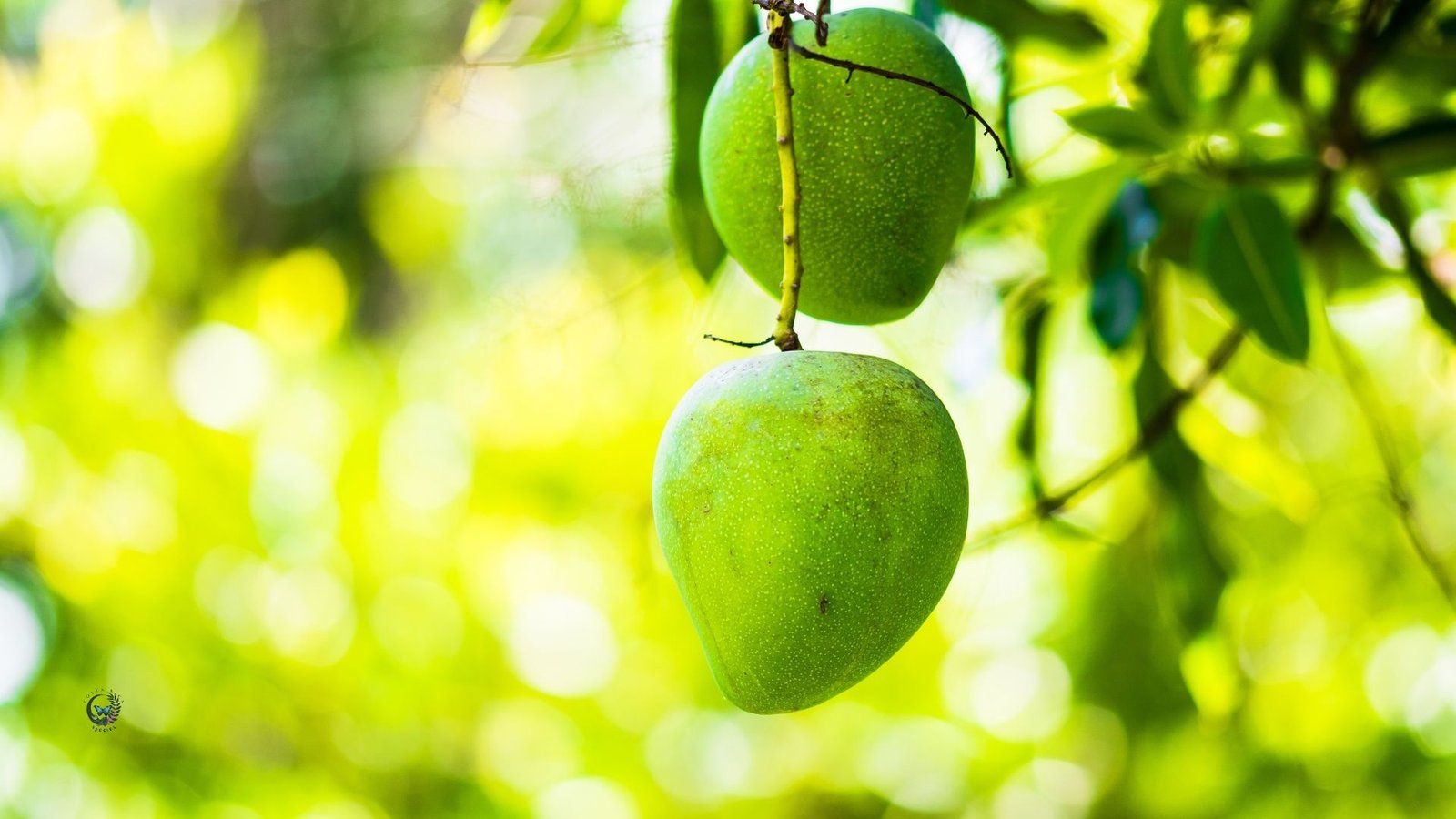
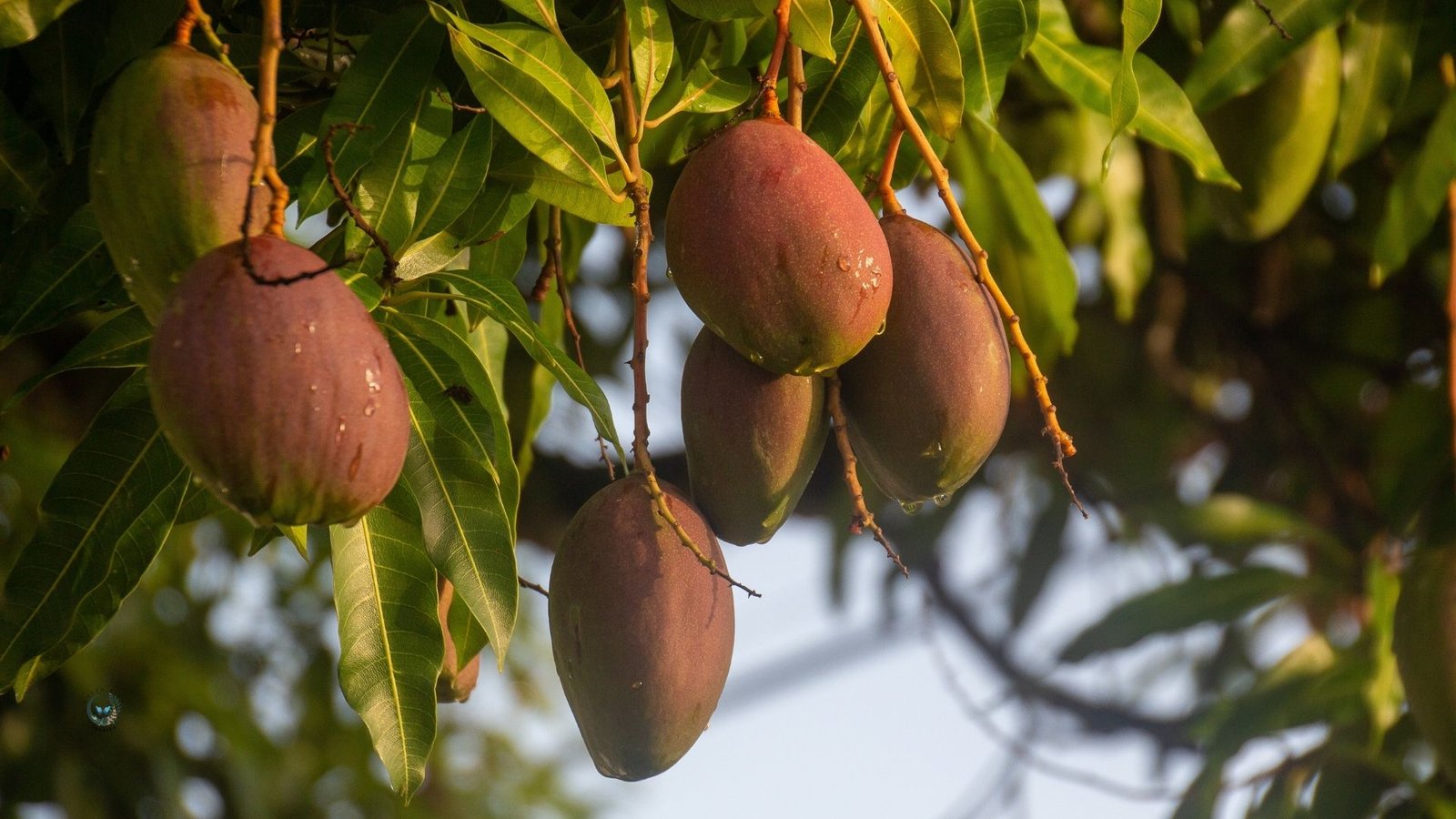
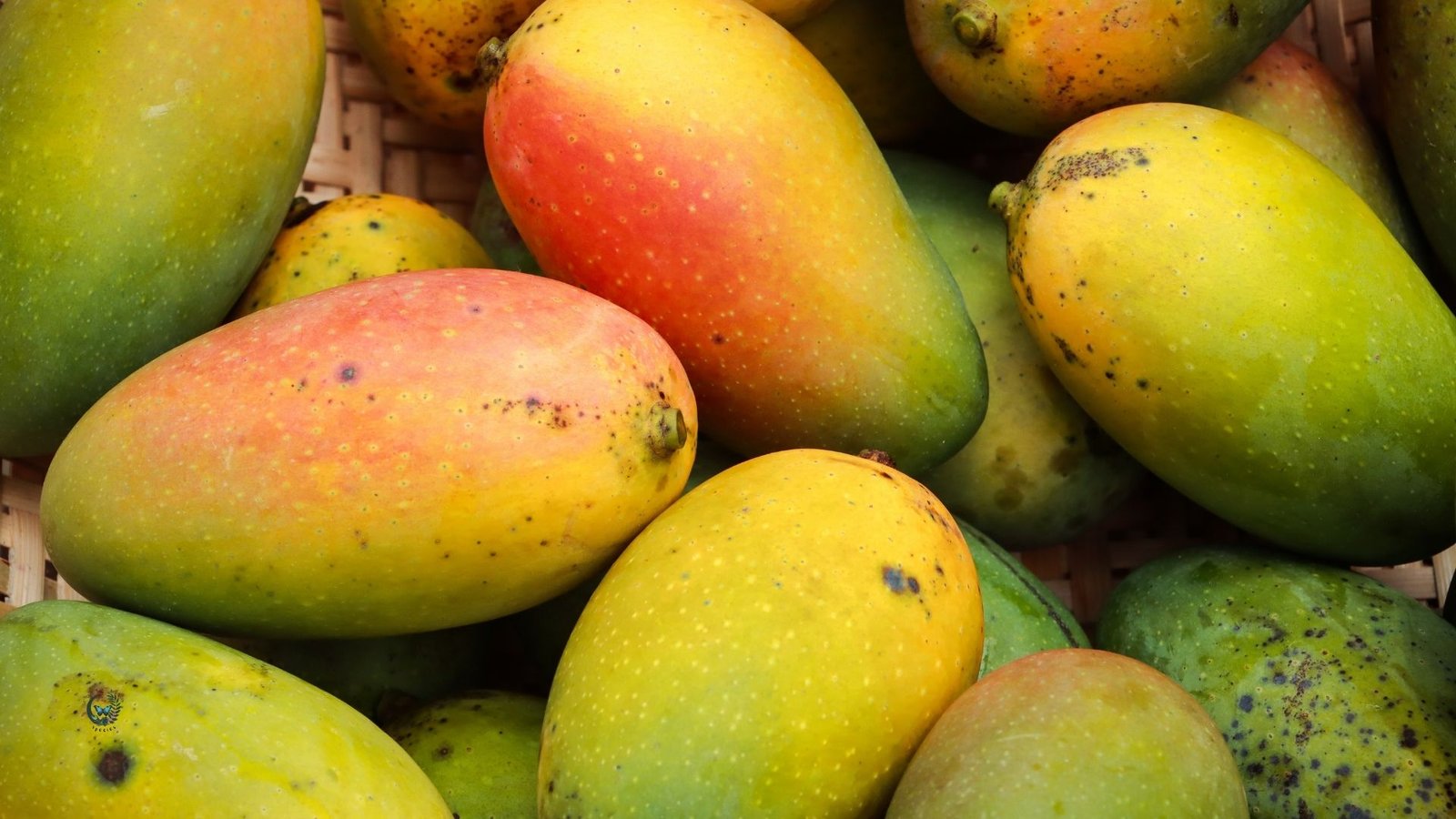
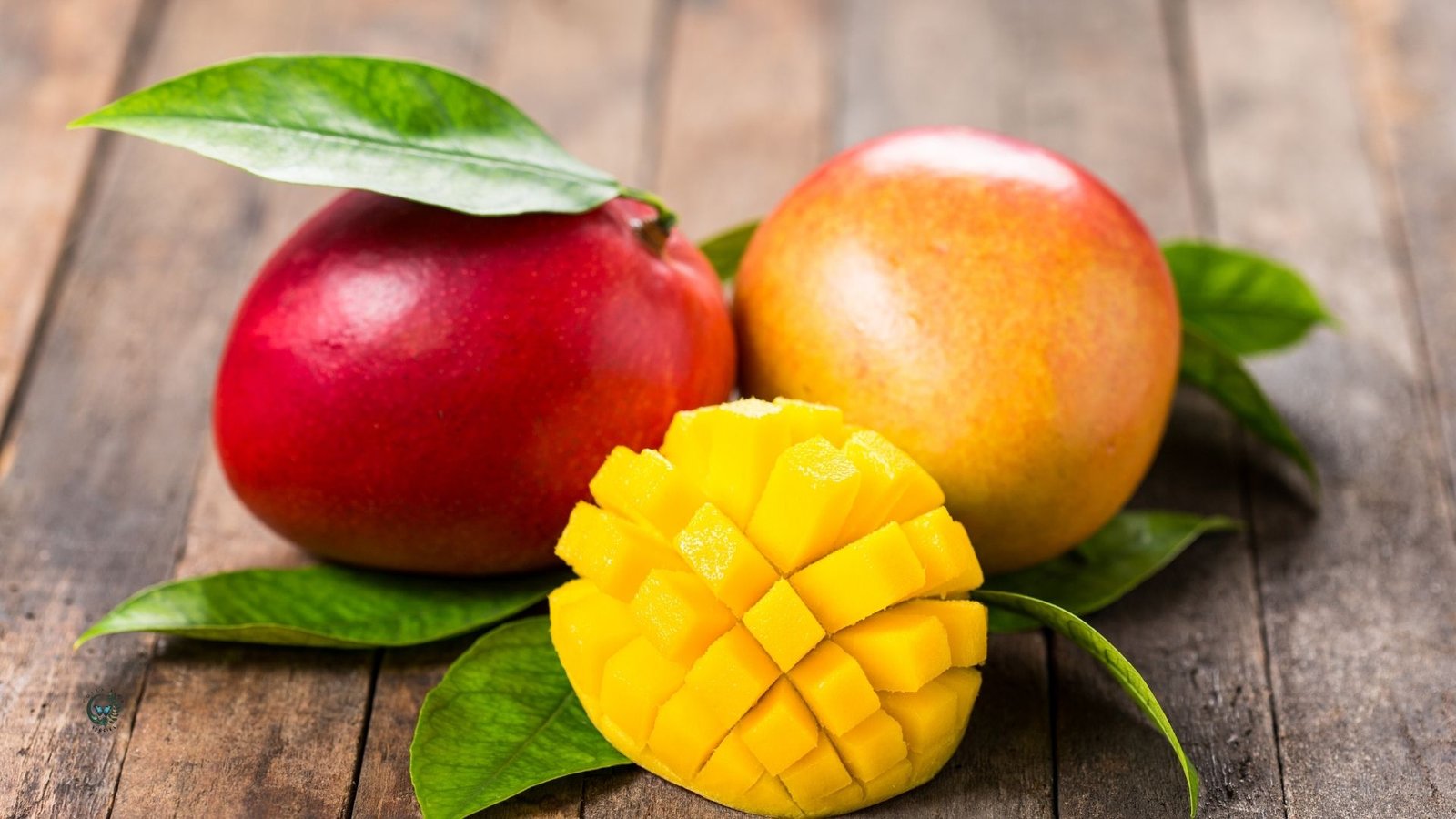
Large, long‑lived evergreen tree 10–30 m tall with a wide, dome‑shaped crown and stout bole up to 1 m DBH. Bark dark grey‑brown, rough and fissured; inner bark exudes milky latex when cut. Leaves simple, leathery, lanceolate to oblong (15–35 × 3–10 cm), reddish in youth, maturing glossy dark green. Inflorescences are terminal panicles 10–40 cm bearing hundreds of tiny, fragrant, yellow‑green flowers with five petals; trees are mostly monoecious with both perfect and staminate flowers. Fruit is a fleshy drupe (botanically) 5–25 cm, 150 g – 2 kg, with smooth green skin that turns yellow‑orange‑red when ripe; mesocarp fibrous to fibre‑free, rich in carotenoids and sugars; single oblong seed 4–8 cm enclosed in a woody endocarp. Three main horticultural groups—Indian, Southeast Asian, and Indo‑Chinese—differ in fruit flavour, fibre and polyembryony. [1][3]
Has Sexual Diamorphism?
No
Sexual dimorphism refers to the physical differences between males and females of the same species that go beyond reproductive organs. For example, size, colour or form.
LIFE‑HISTORY & VITAL STATISTICS OF THE Mango(S)
Average Height / Length / Diameter
10–30 m height; trunk up to 1 m DBH
Average Adult Weight / Mass
thousands of kilos
Typical Lifespan / Longevity
100+ yr (commercially productive 30–40 yr)
Typical Lifespan / Longevity for males
Not applicable (monoecious)
Typical Lifespan / Longevity for Females
Not applicable (monoecious)
Age at Sexual Maturity
Seed‑grown: 5–8 yr; grafted cultivars: 3–4 yr
Breading Season
In Costa Rica main bloom Dec – Mar (dry season)
Gestation
Reproductive Outcome
Ecology and Behaviour for Mango(s)
Large, long‑lived evergreen tree 10–30 m tall with a wide, dome‑shaped crown and stout bole up to 1 m DBH. Bark dark grey‑brown, rough and fissured; inner bark exudes milky latex when cut. Leaves simple, leathery, lanceolate to oblong (15–35 × 3–10 cm), reddish in youth, maturing glossy dark green. Inflorescences are terminal panicles 10–40 cm bearing hundreds of tiny, fragrant, yellow‑green flowers with five petals; trees are mostly monoecious with both perfect and staminate flowers. Fruit is a fleshy drupe (botanically) 5–25 cm, 150 g – 2 kg, with smooth green skin that turns yellow‑orange‑red when ripe; mesocarp fibrous to fibre‑free, rich in carotenoids and sugars; single oblong seed 4–8 cm enclosed in a woody endocarp. Three main horticultural groups—Indian, Southeast Asian, and Indo‑Chinese—differ in fruit flavour, fibre and polyembryony. [1][3]
Habitat
Predominantly active during Day
Trophic Chain
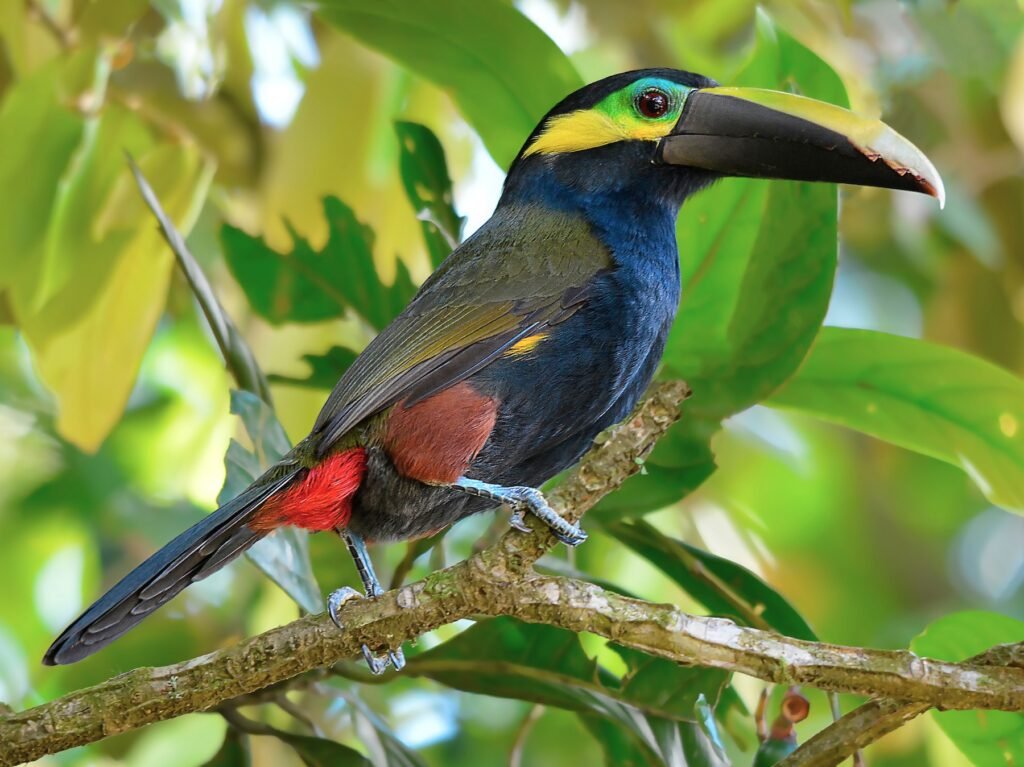
Primary producer; flowers supply nectar/pollen to honey bees and stingless bees; ripe fruit eaten by bats, coatis and toucans dispersing seeds into secondary growth
Interespecies relationships noted for Mango
No data was found
Social behaviour of Mango
Distribution and Sighthings ofMango(s) in Costa Rica
General Regions of Costa Rica where to find Mangos
Tropical
Seasonal dry forest (Guanacaste)
Tropical rainforest (Caribbean and North Pacific slopes)
National Parks and Reserves of Costa Rica where to find Mangos
Best Time to seeMango(s) in Costa Rica
Dry Season
January
February
March
April
June
July
August
September
October
November
December
Media
Videos
Sounds and calls
log in to help us with this an other posts.
Taxonomy
Taxonomic classification is a hierarchical system used in biology to organize and name living organisms. It arranges species into nested groups based on shared characteristics and evolutionary relationships.
Kingdom Plantae
Phylum Tracheophyta
Class Magnoliopsida
Order Sapindales
Genus Mangifera
Conservation Status
Status IUCN
🌍 The IUCN status refers to the conservation category assigned to a species by the International Union for Conservation of Nature, based on its risk of extinction
Not Evaluated (NE)
Threats
Fun Facts
Mango is the national fruit of India, Pakistan and the Philippines.
Some cultivars are polyembryonic, producing multiple clonal seedlings from one seed.
Unripe mango contains high levels of starch that convert to sugars as it ripens.
Mango peel and sap can cause contact dermatitis in sensitive individuals due to urushiol‑like compounds.
Fossil evidence suggests Mangifera lineage dates back at least 25 million years.